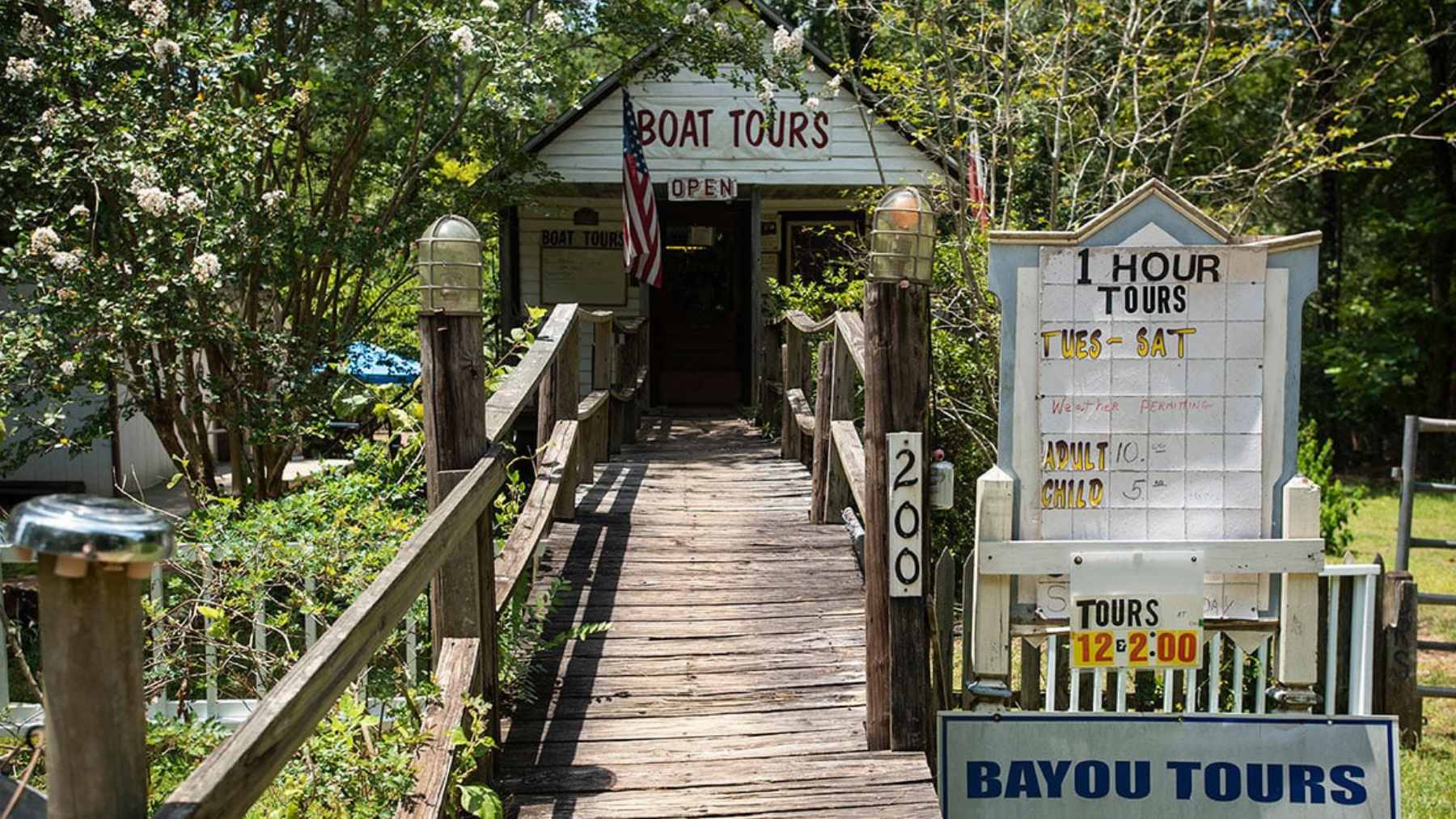
Tucked into the pine forests of eastern Texas, Jefferson looks like a movie set that never packed up and left. Brick streets, balconied storefronts, and a slow curve of bayou remind visitors that this was once one of the busiest riverports in the state, long before interstate highways and airport security lines.
For anyone planning a road trip through East Texas or a quick escape from the bigger cities, this is the one small town that keeps popping up on travel lists. WorldAtlas recently spotlighted Jefferson as the Texas town everyone should see at least once, pointing to its mix of preserved 19th-century streets, ghost tours, and easy access to cypress swamps.
So what makes this little place of around two thousand residents worth the three-hour drive from Dallas? For a start, its past never really went away.
From boomtown riverport to living museum
In the 1840s, Jefferson grew quickly along Big Cypress Bayou, a side channel connected to the Red River. Steamboats could reach the town thanks to a natural log jam on the Red known as the Great Raft, which raised water levels and turned this corner of Texas into a busy inland port.
Cotton and timber moved through Jefferson to plantations and markets in nearby Arkansas and Louisiana.
That success did not last. When engineers finally cleared the Great Raft in the 1870s, water levels dropped, boats lost their route, and railroads chose the nearby hub of Marshall instead. Commerce ebbed away.
The upside, at least from a 21st-century visitor’s perspective, is that Jefferson never saw the waves of modern redevelopment that reshaped many other small towns. Its old commercial blocks and homes survived, giving today’s historic district an unusually complete 19th century feel.
A historic core made for wandering
Jefferson is walkable in the best sense of the word. You can park once, grab a coffee, and spend hours drifting past iron balconies and gingerbread porches without ever hearing a traffic jam.
The centerpiece for history buffs is the Jefferson Historical Museum, housed in the town’s former federal courthouse and post office, a red-brick landmark completed in the 1890s.
Inside, volunteers curate exhibits on steamboat trade, early local businesses, and everyday life in Marion County, along with a detailed Texas and Pacific model railroad in a replica depot out back.
Self-guided maps from the local visitor center point out nearly one hundred historic markers, churches, and antebellum homes, while trolley and walking tours layer in more context about the old riverport streets.
Barbecue smoke and bayou cypress
Of course, history is easier to digest after a plate of smoked meat. Riverport Barbecue, a long-running local spot in the historic district, leans into slow-cooked Texas staples like brisket, ribs, and sausage, served with beans, coleslaw, potato salad, and a side dish locals know as “swamp fries.”
It is the kind of informal place where you walk in still sunburned from sightseeing and walk out smelling faintly of oak smoke.
When the afternoon heat settles in, many visitors head for water. About twenty minutes from town sits Caddo Lake State Park on the edge of Caddo Lake, a maze of bayous and backwaters covering nearly 27,000 acres of cypress swamp.
The broader lake holds more than seventy species of fish, and the park provides a boat ramp, fishing pier, and miles of marked paddling trails under moss draped trees.
New Deal era cabins built by the Civilian Conservation Corps still line parts of the shore, offering a glimpse of early 20th-century park design. Birders scan for barred owls and wood ducks, while patient visitors sometimes spot American alligators cruising the quiet channels.
It feels very far from strip malls and fluorescent lighting, even though the drive back to town is short enough that you can be in a restaurant before your hair dries.
Ghost stories and small town nights
Once the sun drops, Jefferson shifts from river story to ghost story. The Jefferson Ghost Walk is an evening tour through alleys, courtyards, and hotel lobbies where guides recount reported hauntings and tragedies from the town’s boom years. Tours typically run on Friday and Saturday nights at eight in the evening, starting near the historic Kahn Hotel.
The walk is led by historian Jodi Breckenridge, whose storytelling helped put Jefferson on national lists of spooky small towns. By lantern light, visitors hear accounts of unexplained footsteps, saloon shootouts, and lingering Civil War era grief, all grounded in documented events from local archives.
Whether you believe in ghosts or just like a good history lecture with atmosphere, it is an easy way to see downtown from a different angle.
Gateway to the wider Piney Woods
Jefferson also works as a hub for exploring the rest of the Piney Woods. Marshall, about seventeen miles south, highlights railroad history and a holiday light festival that draws visitors from across the region.
Linden to the north offers quieter rural scenery, while Shreveport in Louisiana and Longview back in Texas provide larger city amenities and music venues within an easy drive.
From Marshall or Longview you are only a couple of hours from major interstates again, yet many travelers from Dallas simply make Jefferson their main event. The road distance between the two cities is about 166 miles, which works out to roughly two and a half hours behind the wheel in normal conditions.
At the end of the day, Jefferson’s appeal comes from how neatly it ties everything together. A preserved 19th-century main street, a bayou-lined state park, barbecue smoke, and a ghost tour after dark all fit into a single weekend without much rushing.
The official statement was published on the Visit Jefferson Texas site.