A date printed on plastic should not decide whether someone can pay their mortgage. Yet that is exactly what thousands of immigrant truck drivers in California are facing as a licensing fight between the state and Washington spills out of the paperwork and onto the highway.
After a federal audit, the California Department of Motor Vehicles moved to cancel about seventeen thousand nondomiciled commercial driver’s licenses and later acknowledged that the total group of affected immigrant truckers is closer to twenty thousand.
The drivers include many asylum seekers and temporary workers whose licenses were tied to their immigration documents. A last-minute decision by the DMV extended the cancellation deadline to early March, but it only bought sixty days of breathing room.
For people who move food, medicine, and everything else that fills store shelves, that pause matters. The question is what happens when it ends.
From Real ID rules to real world consequences
Tighter rules around identification did not start with truckers. Nearly twenty years after Congress passed the Real ID Act in 2005, full enforcement for air travel is finally scheduled to begin in May 2025. From that date, domestic airline passengers who use a state driver’s license at airport security will need a Real ID compliant card or another approved document such as a passport.
On paper, the idea is straightforward. More secure cards, fewer fake IDs, better checks on legal presence. In practice, it has meant shifting deadlines, crowded DMV lobbies, and plenty of confusion about which card has the little star in the corner and which one does not.
For most drivers, the hassle ends once the new card arrives in the mail. For people whose livelihood depends on a commercial license and on precise immigration records, these layers of security checks now sit right on top of their ability to work.
How a federal audit unraveled thousands of careers
The current crisis started when the Federal Motor Carrier Safety Administration told California that its handling of nondomiciled commercial licenses did not comply with federal rules.
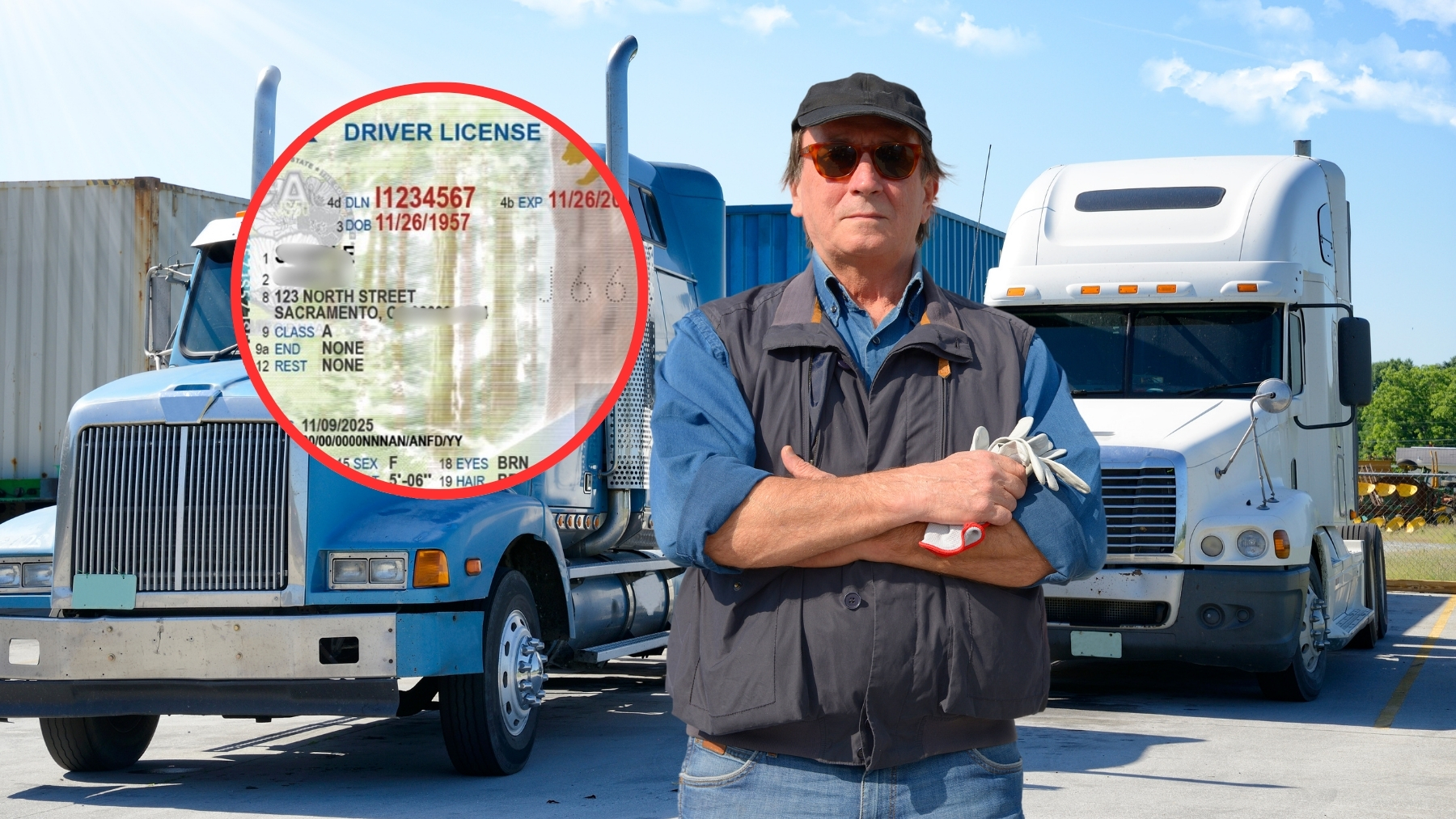
Under those rules, a commercial driver’s license for someone who is not a citizen or permanent resident must expire on or before the date on that person’s work authorization.
An audit found that in many cases California had set license expiration dates that stretched beyond immigration documents for immigrant truckers. Other drivers had renewed work permits that never made it into DMV systems, which meant their licenses looked out of sync even when their status was legal.
In November 2025, letters went out to 17,299 immigrant drivers and business owners telling them that their licenses would be canceled in early January. A second wave of about 2,700 drivers received notices tied to a February deadline.
At the same time, the U.S. Department of Transportation warned California that federal highway money was at risk if the state did not move faster. By January, USDOT had begun withholding roughly $160 million and publicly said more than a quarter of the commercial licenses held by non-citizens in California were unlawful.
Federal officials frame the crackdown as a safety issue. They point out that eighty-thousand-pound trucks should not be in the hands of drivers whose paperwork does not match federal rules. For the drivers on the receiving end, the stakes feel very different.
Punjabi Sikh drivers feel the impact first
The legal fight has been led by the Sikh Coalition, the Asian Law Caucus, and community group Jakara Movement. They filed a class action lawsuit arguing that California is punishing workers for errors created by its own systems and threatening due process by canceling licenses without a fair way to fix date mismatches.
Those workers are not a small slice of the industry. Reporting from CalMatters and KPBS estimates that about 35% of California’s commercial drivers are Sikh and that in the wider United States roughly 150,000 Sikhs work in trucking, many of them behind the wheel.
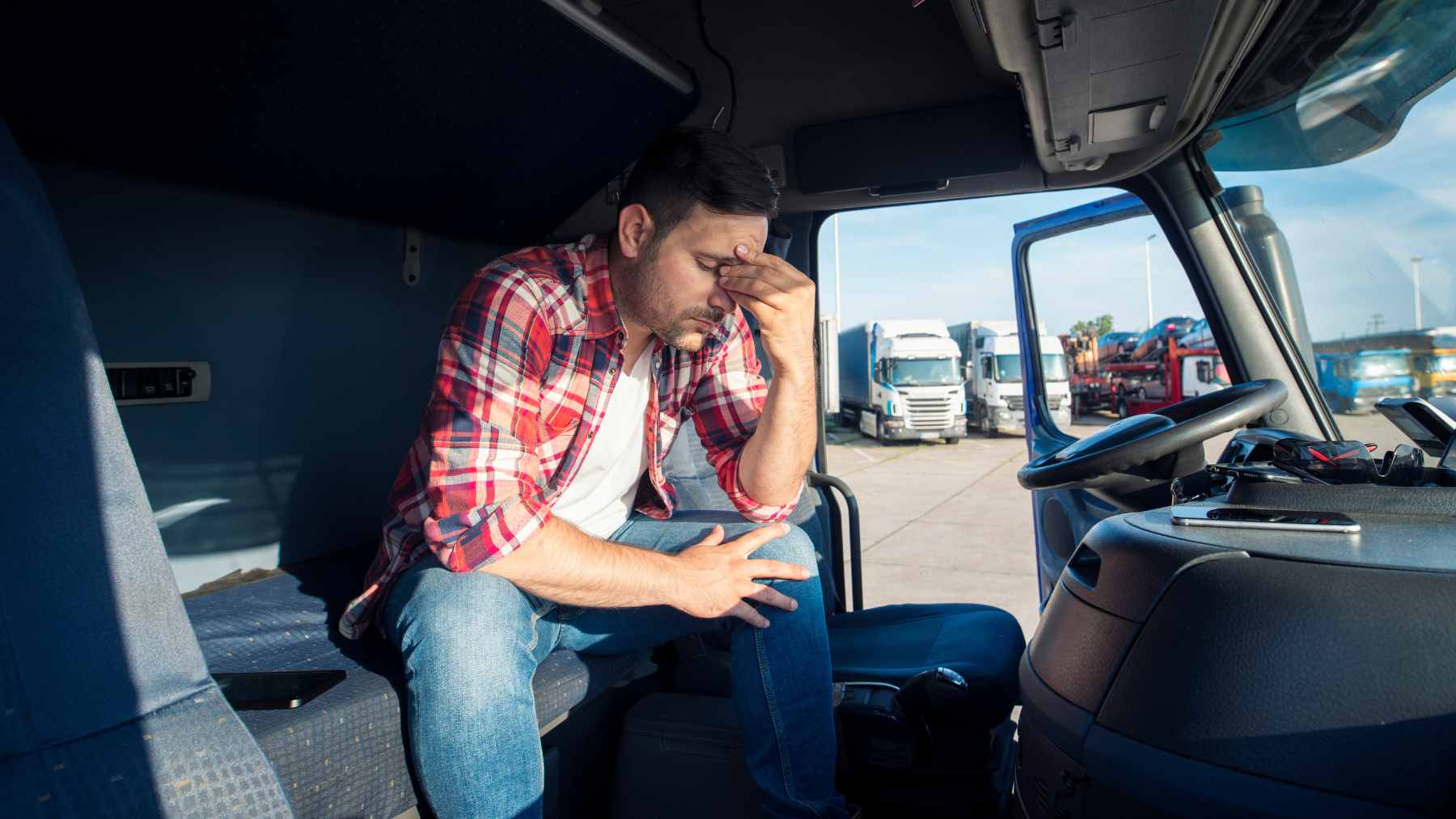
When letters went out, one Stockton-based company saw about thirty five immigrant drivers lose their commercial licenses, leaving rows of trucks parked and idle while loan payments and insurance bills kept coming due.
The company estimates losses of around $2 million in four months, along with hundreds of thousands of dollars in ongoing monthly costs for vehicles that are no longer on the road.
Drivers describe a simple equation. Lose the CDL and you lose the paycheck that once covered a mortgage, truck payments, and remittances back home. Some have shifted into app-based delivery work that can pay a fraction of the $8,000 or so a month that long-haul trucking once brought in.
On top of that, California’s own FAQ on the new rules says that when a nondomiciled commercial license is canceled, the accompanying regular license is canceled too. Affected drivers must apply again if they want to keep driving a family car, even if they are no longer allowed to operate a big rig.
California’s DMV is tightening many screws at once
The same DMV that is under pressure over immigrant drivers is also flexing its muscles in another high-profile case. In December 2025, the agency announced that it had found Tesla in violation of state law for using the terms Autopilot and Full Self Driving Capability in ways that misled consumers about how autonomous its cars really are.
An administrative judge had recommended a suspension of Tesla’s licenses, and the DMV instead gave the company a deadline to fix its marketing or face a temporary halt in sales.
From the outside, these may look like separate stories. One is about immigrant labor and federal immigration politics. The other is about a tech company and the promises it makes on glossy web pages. At the end of the day, both are about a state regulator trying to prove it can keep roads safe while obeying federal rules that keep getting stricter.
The open question is who absorbs the shock. For trucking families in the Central Valley, every delay in negotiations between California and Washington means another month spent wondering whether a minor date mismatch will take a roof from over their heads.
For shoppers watching the price of fresh produce and other goods, it is a reminder that supply chains can be fragile in ways that have nothing to do with weather or fuel prices and everything to do with how we manage identity and paperwork.
The official statement was published by the California DMV.