A nearly century-old Primrose Candy Company in Chicago has filed for Chapter 11 bankruptcy after rising ingredient costs and old debt squeezed its business.
Court records show the family-owned maker of hard candies, chewy treats and popcorn sought protection on January 27 in the U.S. Bankruptcy Court for the Northern District of Illinois in a bid to keep about ninety workers employed.
Debt heavy balance sheet and falling sales
Filings list assets between $1 and $10 million and liabilities between $10 and $50 million. Revenue fell from $11.8 million in 2024 to $7.8 million last year as costs climbed.
Attorney David Welch, who represents the company, told the Chicago Tribune “what we have is a lot of old, old debt that we just cannot afford to pay in its entirety,” and said the goal is to restructure the debt so it stops dragging on day-to-day cash flow.
Legal setbacks and lost contracts
Primrose is not only battling higher bills. It recently lost two major lemon drop contracts worth $1 million in yearly revenue, after competitors shifted production overseas where ingredient and labor costs are lower.
The company also worked through a class action over its use of employee fingerprints under Illinois biometric privacy law, agreeing to a settlement worth up to $175,000, and has faced a lawsuit from a staffing agency that supplies many workers.
Sugar policy and the squeeze on small factories
Behind those setbacks sits a sugar market that has not been friendly to small candy makers. Data from the Sweetener Users Association show refined sugar prices in the United States rose about 126% over the past decade. World prices increased about 35%, which left U.S. sugar about twice as expensive as world prices.
The Government Accountability Office has found that the federal sugar program, which uses quotas and other tools to keep domestic prices above global levels, leaves consumers and sugar-using industries with net costs of around $1 billion a year.
For a company that turns sugar into inexpensive butterscotch buttons and lemon drops sold under many store brands, that kind of ingredient inflation can quietly erase already thin margins.
What it means for workers and shoppers
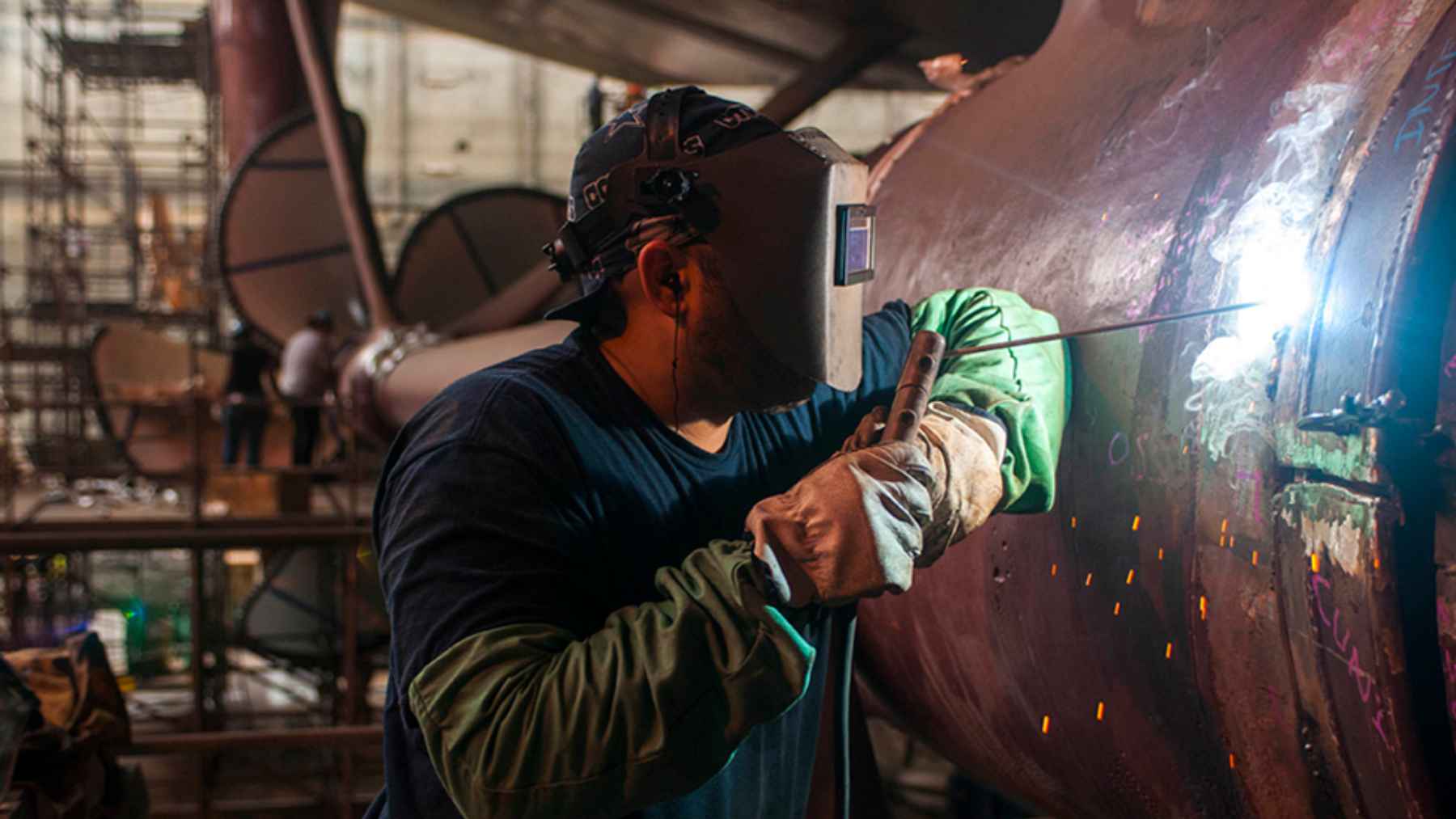
On the factory floor in Logan Square the stakes feel personal. Will paychecks keep coming while lawyers and lenders negotiate? The company has asked the court for permission to tap new financing and use cash collateral so it can cover payroll and essential expenses during the case.
Shoppers may not recognize the Primrose name, since the firm sells much of its output wholesale to retailers who package the sweets under their own brands, yet many people have probably grabbed its lemon drops or butterscotch candies while waiting in line at the pharmacy.
Chapter 11 is meant to give companies like Primrose a chance to survive, not simply to close the doors, but that future depends on how quickly it can cut debt, renegotiate contracts and navigate an ingredient market that, to a large extent, no longer favors mid-sized American factories.
The filing alert was published on Bondoro.
The official report was published on the U.S. Government Accountability Office site.