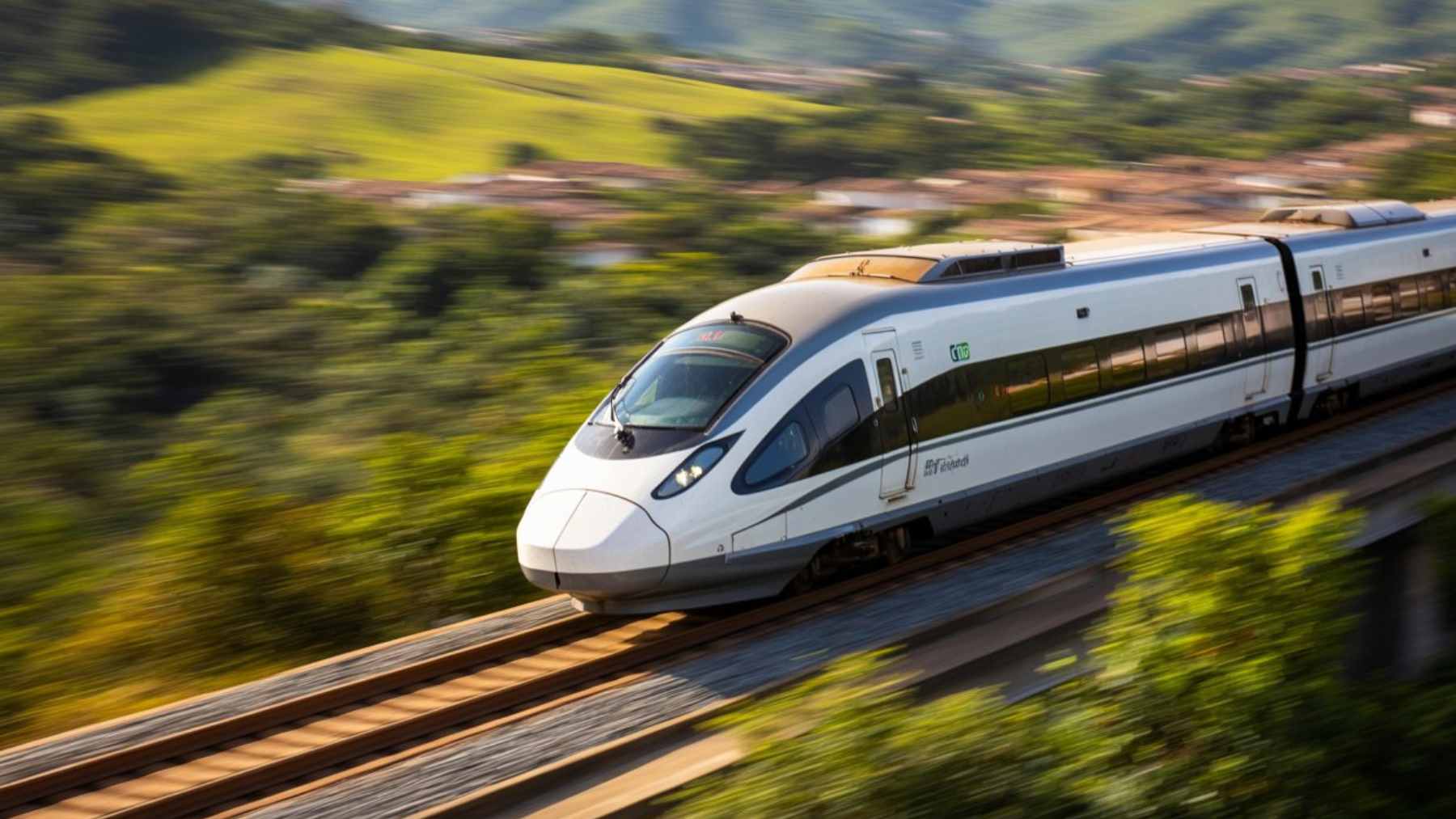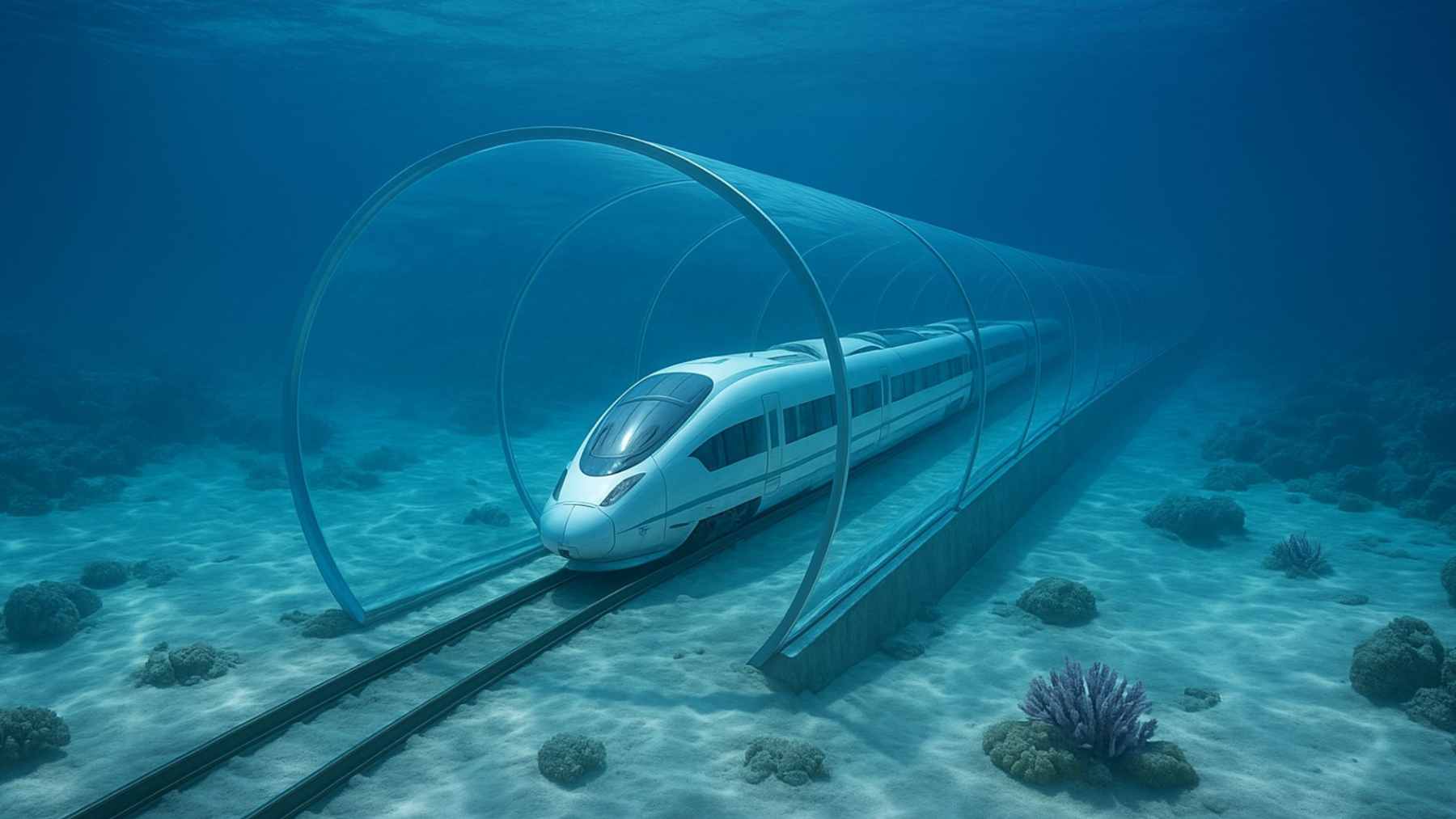
China is pushing ahead with plans for what could become the world’s longest undersea rail tunnel beneath the Bohai Strait, a project that would let high-speed trains link Dalian and Yantai in about forty minutes instead of the six to eight hours many travelers face today.
Media and research reports describe a corridor of roughly 120 to 123 kilometers, with about 90 kilometers buried under the seabed, which would make it the longest subsea tunnel on the planet.
At the heart of the plan is the Bohai Strait Cross Sea Corridor, a rail-focused link tying the Liaodong Peninsula to the Shandong Peninsula and plugging directly into China’s high-speed network.
Designs outlined in public reports call for two parallel tubes for passenger and freight trains plus a central service tunnel for maintenance and emergency access. Trains are expected to run at about 240 to 250 kilometers per hour, with cars loaded on shuttle trains for the short hop under the water.
For everyday commuters and truck drivers who now creep around the bay or queue for ferries, the change would be dramatic. A 2020 analysis of passenger flows found that the tunnel could sharply shorten travel distances, cut transport costs, and deliver what the authors describe as “good comprehensive economic benefits” once integrated into the wider rail network.
Cost estimates vary, but recent coverage puts the price tag in the neighborhood of 200 to more than 220 billion yuan (about $31.7 billion), with construction expected to take roughly ten to fifteen years once fully approved.
The sea the trains would run beneath is anything but empty. Around the Changshan archipelago near Penglai, more than one hundred small islands form a hotspot for migratory birds and spotted seals and have been flagged as candidates for a national marine park.
Environmental researchers warn that large work sites, spoil storage, bridge foundations, and long-term traffic could disturb nesting grounds, add noise, and bring extra pollution to an already stressed coastal ecosystem.
Chinese planners are also testing whether the geology can handle such a long tunnel in a seismically active zone.
A 2025 study using hydraulic fracturing tests in the southern section of the corridor found that the local crust is dominated by horizontal tectonic stress but appears relatively stable, with little sign of the dangerous rock burst conditions that can plague deep tunnels.
The authors argue that their measurements give engineers a firmer basis for choosing alignments and designing reinforcement, although they stress that ongoing monitoring and careful construction will still be essential.
In practical terms, that leaves China facing a familiar 21st century trade off. A record-breaking tunnel could shift passengers and freight from longer, more polluting road and ferry routes, yet it will also require huge volumes of steel and concrete and years of disruption in a sensitive marine area.
For now, the Bohai Strait project sits at the intersection of glossy renderings, detailed engineering papers, and growing environmental scrutiny.
The study was published in Dizhi Lixue Xuebao.