For many families in Africa, a trip to see Yellowstone’s geysers or the Grand Canyon’s cliffs is a once-in-a-lifetime dream. That dream just became harder to reach.
A new mix of US policies now stacks visa bonds, extra visa charges, and a $100 surcharge at flagship national parks on top of already pricey flights and hotels, especially for travelers from countries such as Egypt, Morocco, Nigeria, South Africa, Ethiopia, Congo, and Kenya.
Visa Bond Pilot Program and travel restrictions
At the heart of the change is the Visa Bond Pilot Program. Under a rule that runs through mid-2026, some visitors on B 1 and B 2 visas from 38 countries must post a refundable bond of $5,000, $10,000, or $15,000 through the US Treasury Pay.gov system before they can travel.
The official list includes several African nations such as Nigeria, along with countries in South Asia and Latin America, and bond holders must also use a short list of major airports so that departures are easier to track.
The State Department says this is meant to reduce visa overstays and improve tracking of who leaves on time.
Visa Integrity Fee and rising costs for nonimmigrant visas
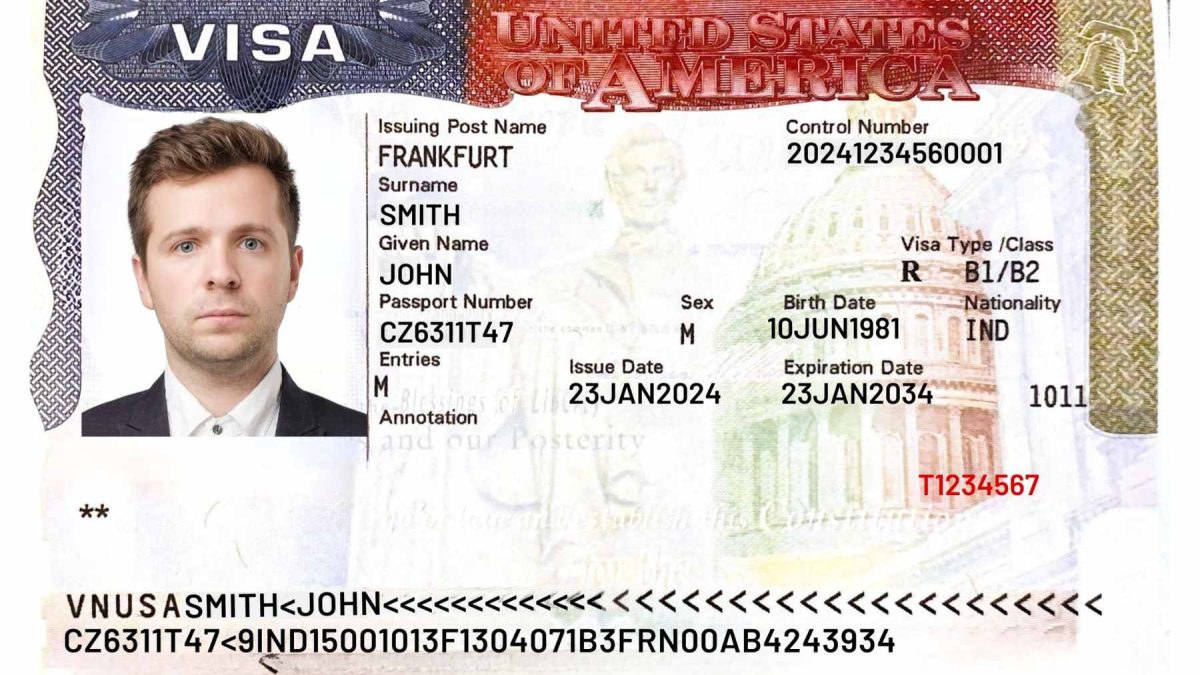
On top of that, a new $250 Visa Integrity Fee now sits beside the standard machine readable visa charge for most nonimmigrant categories. Legal and tax advisories note that this fee applies to most visitor, student, and work visas and is meant to discourage overstays by making compliance a condition for a possible refund.
For a basic B 1 or B 2 visitor visa, the total price now lands around the low- to mid-$400 range before anyone even books a plane ticket, a serious hit to the travel budget for many middle-class households across Africa.
National park surcharge and nonresident passes
Then comes the price of nature itself. From the start of 2026, non-US residents who want to visit 11 of the country’s busiest national parks pay the usual entrance fee plus a $100 charge for every person aged 16 and up. The list includes Yellowstone, Yosemite, and the Grand Canyon, along with eight other parks that sit on travel bucket lists around the world.
A digital annual pass for foreign visitors now costs $250, while US residents still pay $80.
In practical terms, that means a Kenyan family of four who saved for years to see the Grand Canyon could pay hundreds of dollars just at the park gate, on top of visa costs, flights, and a rental car. Travel businesses that rely on international visitors are already warning that some long-haul guests may decide Europe, Asia, or even closer African destinations feel kinder to the wallet and less wrapped in red tape.
US National Park Service maintenance backlog
Supporters of the new park pricing argue that international visitors should help pay for the huge maintenance backlog that weighs on the US National Park Service. Official figures put that backlog at around $23 billion in delayed repairs to roads, trails, water systems, and other infrastructure that keeps parks safe and open.
Why environmental exchange and sustainable tourism could take a hit
Critics counter that the current approach amounts to charging people from outside the country twice, once at the consulate window and again at the park gate.
They warn that tying access to some of the planet’s most famous protected areas so closely to income and passport status clashes with the idea that places like Yellowstone or the Grand Canyon are part of a shared global heritage, not a private club.2
For many travelers from Africa, where communities are already on the front lines of climate change and biodiversity loss, being priced out of visits and exchanges with US parks can feel like one more layer of injustice.
There is another risk too. International trips are not only about selfies at scenic viewpoints. They also bring rangers, scientists, students, and grassroots activists together to swap ideas on wildlife management, fire control, renewable energy in remote lodges, and sustainable tourism.
If visa bonds and steep fees keep many of those people away, the flow of practical knowledge between African reserves and US parks could slow at a time when ecosystems on both sides of the Atlantic face mounting pressure.
What travelers may do next
For now, many African travelers are expected to look for destinations where visas are cheaper, park fees are simpler, and visitors are not asked to front thousands of dollars just to prove they will go home on time.
Travel and tourism analysts already see interest shifting toward the Schengen Area, Asian destinations, and regional trips inside Africa that feel more predictable and affordable. In the long run, however, it raises a hard question. Who gets to stand under the dark sky of Yosemite Valley or listen to wolves in Yellowstone, and who has to settle for watching those landscapes on a screen.
The official statement was published by the U.S. Department of State.