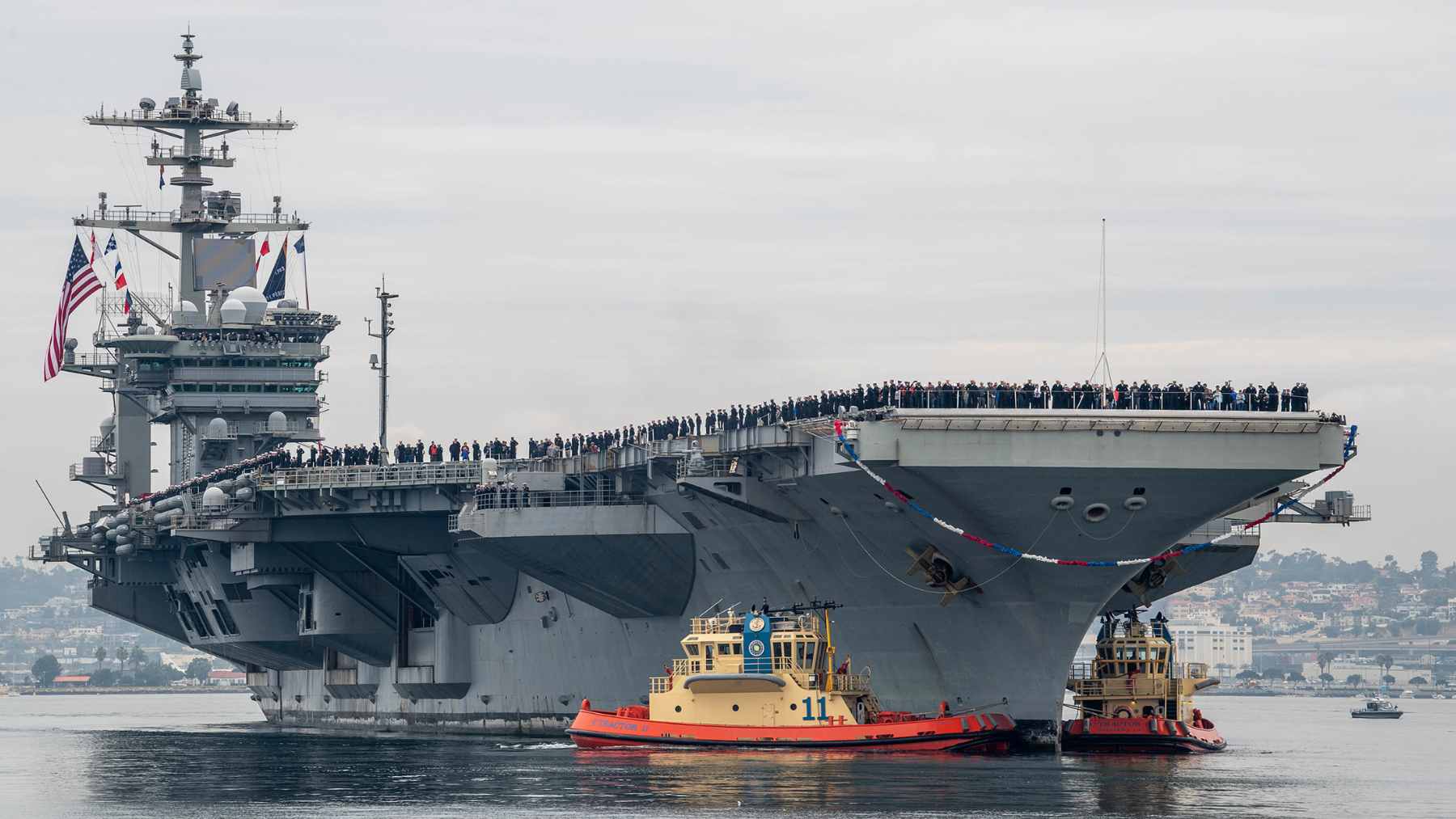
An American F‑35C fighter jet has shot down an Iranian drone over the Arabian Sea after it drew too close to the aircraft carrier USS Abraham Lincoln, according to the U.S. Central Command. Washington says the drone “aggressively approached” despite repeated warnings.
Tehran responds that the aircraft was on a routine surveillance mission over international waters and had already completed its task when contact was lost. Two sharply different accounts. One very crowded stretch of sea.
Two very different versions of the same encounter
From the American side, officials describe a Shahed‑139 drone that kept flying toward the carrier with “unclear intent,” even after U.S. forces tried to de‑escalate the situation. An F‑35C launched from the Lincoln and took it out in what they call an act of self‑defense. That version lines up with detailed reporting from outlets that cite Central Command’s written statement and briefings and Navy spokespeople.
Iranian media tell a different story. An informed source quoted by the semi‑official Tasnim News Agency insists the unmanned aircraft completed its reconnaissance mission and transmitted images back to base before communications suddenly dropped.
In that account, the drone was flying a “legal and routine” patrol in international waters, with no aggressive maneuver toward the American strike group at all.
Both narratives agree on a few key facts: the type of drone, the presence of the U.S. carrier, and the broad location in the Arabian Sea. It is the intent and the distance that are in dispute, and those details are exactly what determine whether an engagement is seen as self‑defense or provocation.
Why the location matters so much
On the map, this may look like empty blue water. In legal and strategic terms, it is anything but. The Lincoln is operating far from Iran’s territorial seas, in waters recognized as international. U.S. officials emphasize that point to frame the shootdown as protecting freedom of navigation and the safety of a carrier strike group on a lawful transit.
Iran, for its part, has long talked about a broader “security belt” around its coast. Iranian commentators often argue that foreign warships and surveillance platforms operating in the northern Indian Ocean are effectively inside Tehran’s security perimeter, even if they are outside the 12‑nautical‑mile line recognized under international law.
That clash of perspectives is not just diplomatic language. It shapes how close drones, patrol planes, and ships feel they can approach one another before someone reaches for the radio… or the trigger.
From drones to tankers (and the Strait of Hormuz problem)
The drone incident did not happen in isolation. Hours later, U.S. and allied officials say Iranian Revolutionary Guard boats approached the U.S.‑flagged tanker M/V Stena Imperative in the Strait of Hormuz, ordering it by radio to stop engines and prepare to be boarded. The tanker instead increased speed and kept going while a U.S. warship moved in to escort it.
Here too, Iran pushes back, suggesting that foreign vessels skirt or cross its maritime boundaries without proper authorization and that “warnings” are a legitimate response. Maritime security firms and Western navies, on the other hand, see a pattern that looks a lot like harassment of commercial shipping.
For oil traders, insurers, and shipping companies, that narrow waterway is not an abstract issue. The Strait of Hormuz handles roughly a fifth of the world’s traded oil, according to the U.S. Energy Information Administration, which describes it as a critical global oil chokepoint. Any hint it could be disrupted shows up quickly in crude prices and, sooner or later, at the gas station.
A test of de‑escalation in a crowded sea
The timing is not accidental. The incidents come as Washington and Tehran circle around possible talks on Iran’s nuclear program and as a broader U.S. regional buildup continues.
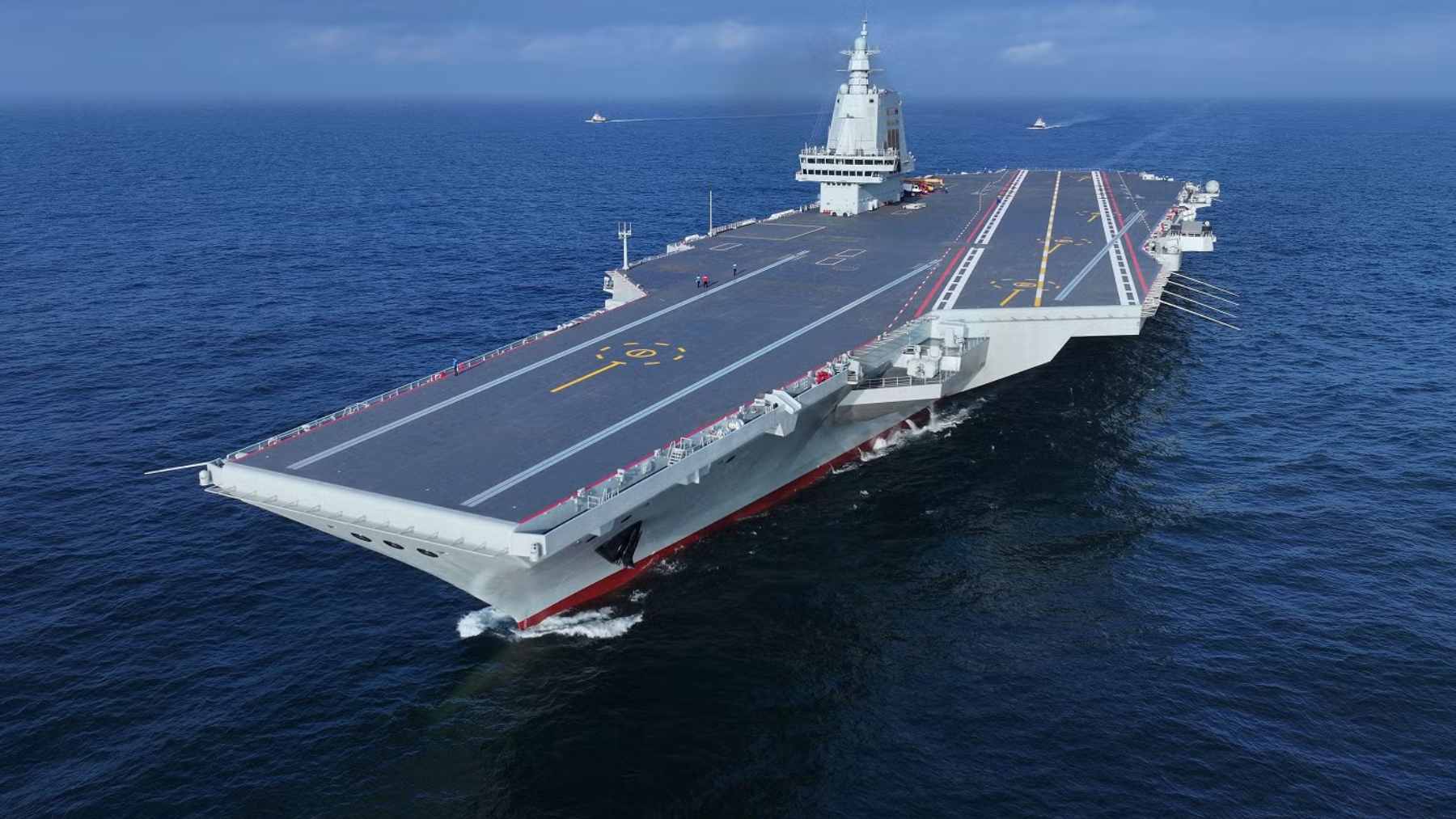
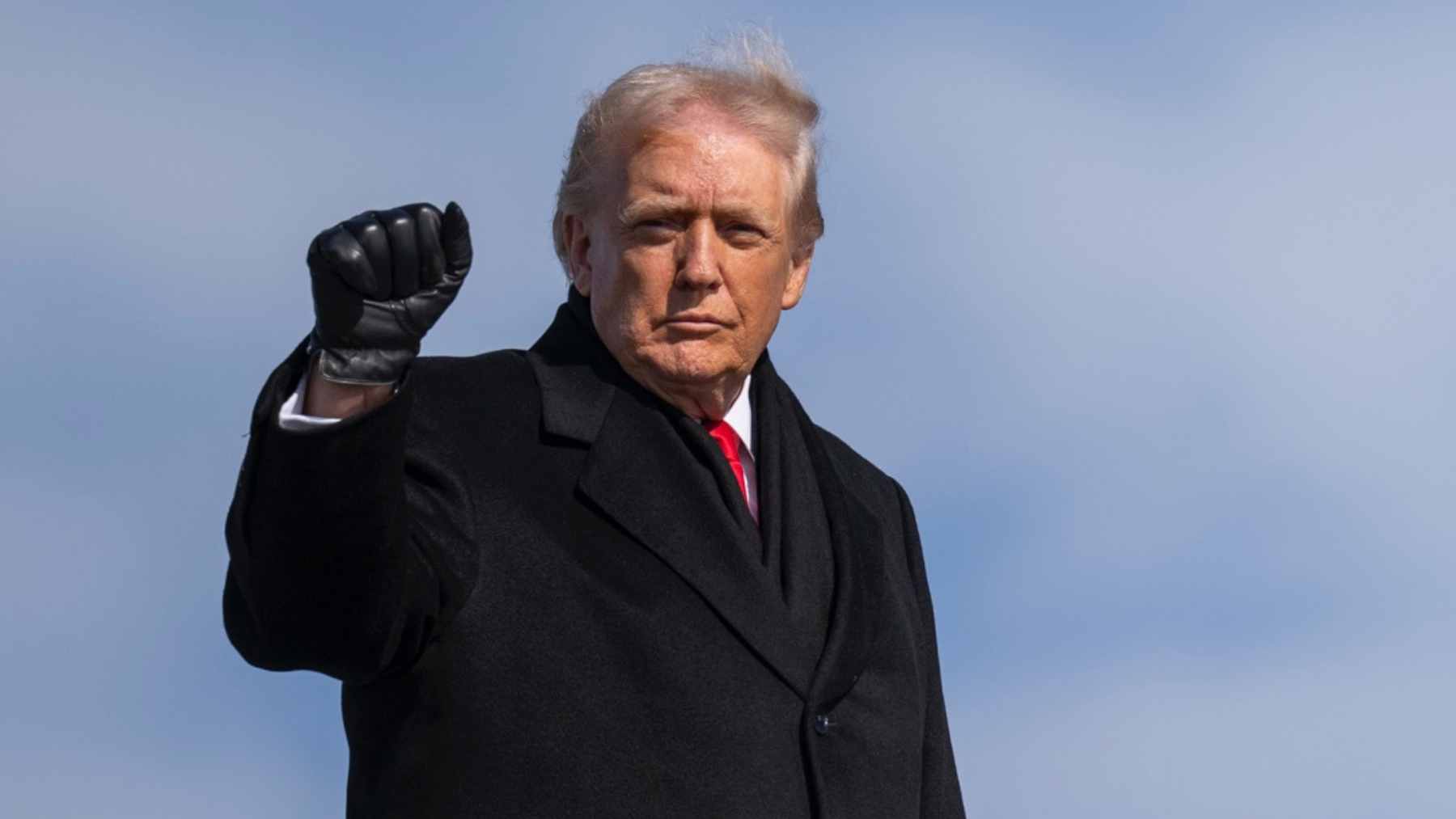
The Lincoln is part of that posture, sailing alongside other warships in what former President Donald Trump recently described as a “massive armada” headed toward Iran.
At the same time, the U.S. Navy is under pressure. It is trying to expand and modernize a fleet that, by its own assessments and congressional watchdog reports, has struggled with delays, maintenance backlogs, and cost overruns, as explored in depth in reporting on how it is attempting to rebuild its fleet by 2026.
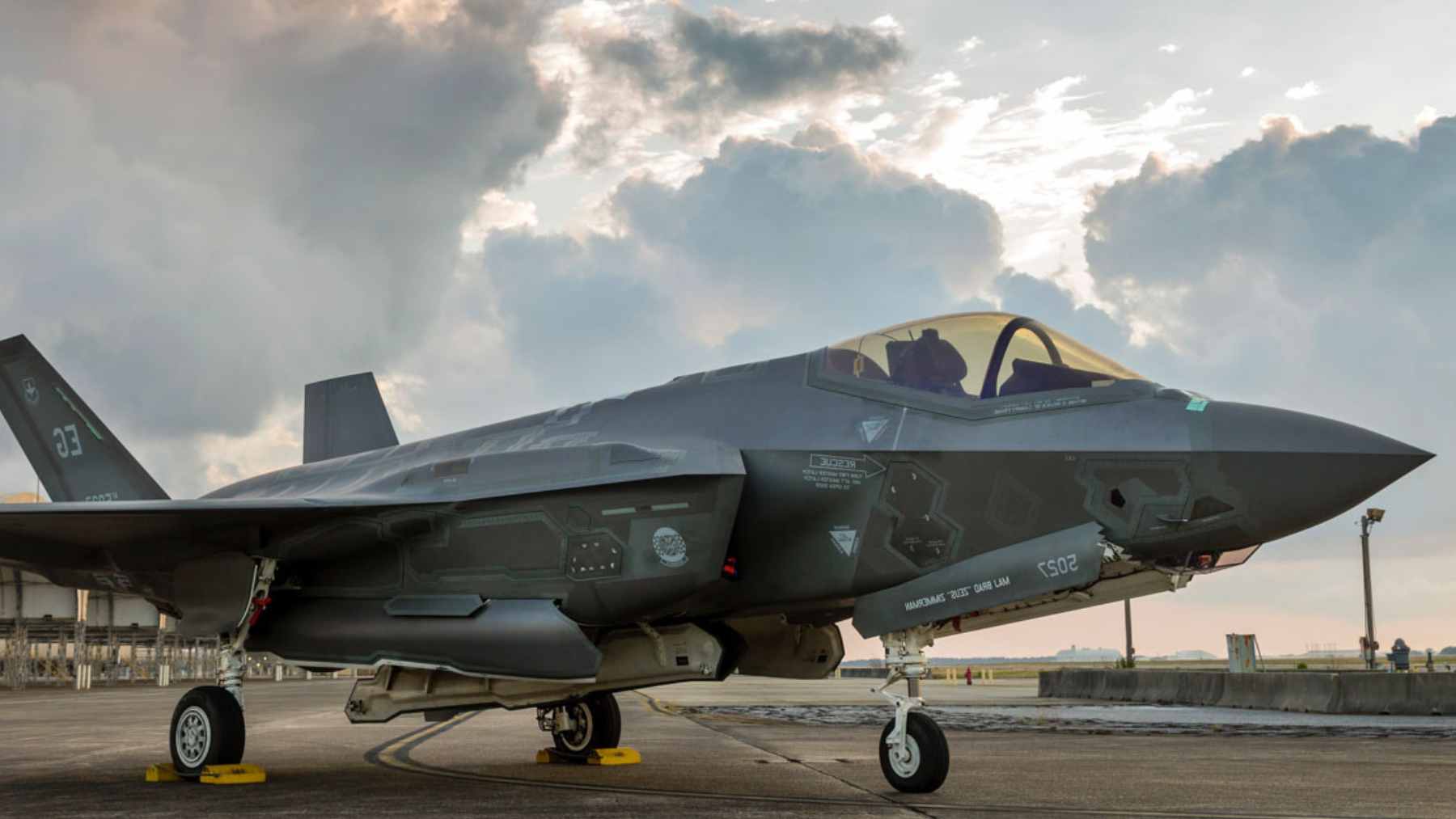
Carrier groups remain the centerpiece of American sea power, but keeping them ready, supplied, and credible is becoming more expensive every year.
In that context, a single drone fly‑by or a tense radio call near a tanker becomes something bigger. Each side is signaling red lines to the other and to regional audiences. Each is also speaking to people back home, where images of a modern fighter jet blasting a drone out of the sky, or of small boats buzzing a tanker, can quickly fuel talk of strength or humiliation.
Even within the U.S. Navy, there is an ongoing debate about how much to lean on high‑end platforms. Futuristic surface combatants like the hypersonic‑armed destroyers highlighted in reports on the USS Zumwalt’s return to sea are meant to deter exactly the kind of escalation Iran sometimes hints at.
Yet they share oceans with older ships that have very down‑to‑earth problems, from extended refits to chronic maintenance headaches, as shown by investigations into issues on the USS Gerald R. Ford.
What this means for everyday people
For most of us, the Arabian Sea feels a world away. But the consequences have a way of sneaking into everyday life.
When drones approach carriers and gunboats crowd tankers, insurers raise their risk calculations. That can nudge up the cost of moving each barrel of oil or container of goods through the region. In turn, it can add a few cents to a gallon at the pump, or a little extra to shipping costs that quietly filter into prices on store shelves.
Markets have already reacted. Oil futures moved higher after reports of the shootdown and the tanker confrontation, as traders tried to gauge whether the incidents were a one‑off or the beginning of a longer period of tension linked to the talks.
Analysts who track both energy flows and security flashpoints warn that the Strait of Hormuz has become, to a large extent, a pressure valve for political disputes that may have nothing to do with shipping on paper but everything to do with leverage.
What happens next
In the short term, naval officers on all sides will keep doing the daily work of managing encounters at sea. That means watching radar tracks, listening to radio calls, and deciding when a drone or fast boat is just noisy and when it feels like a real threat. Those judgment calls, taken in a matter of seconds, are what stand between routine “shadowing” and a crisis.
Diplomats, meanwhile, will try to make sure the drone and tanker episodes do not derail nuclear discussions before they properly start. Iranian officials have floated moving those talks from Turkey to Oman and narrowing the agenda strictly to nuclear issues, while U.S. officials talk about testing whether Tehran is genuinely ready to compromise.
At the end of the day, the drone shootdown and the Stena Imperative encounter are part of the same story: two governments locked in a long argument over power, security, and sanctions, now playing out in one of the world’s most important sea lanes.
How carefully they handle the next few weeks will matter not just to sailors on watch, but to anyone who depends on affordable fuel, stable shipping routes, and a Middle East that does not stumble into a wider war.