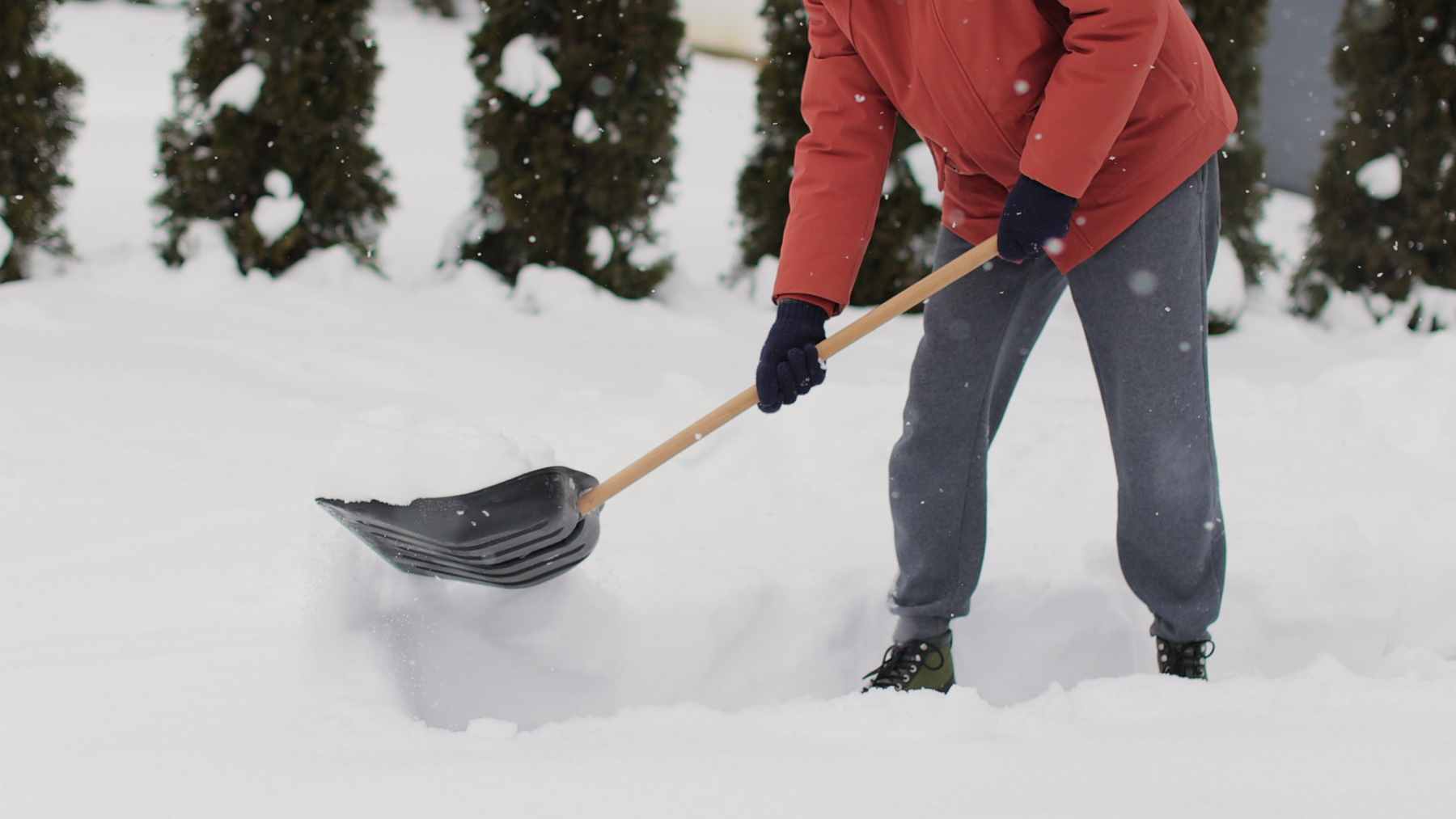
Clearing the driveway after a snowstorm might feel like a winter rite of passage. Yet for many people over 45, that shovel in the garage carries more risk than it seems
Health experts say there is no magic birthday when you must stop shoveling forever. Instead, the danger climbs sharply once midlife hits, especially for people who are out of shape or living with heart disease, high blood pressure, high cholesterol, diabetes, obesity, or a long history of smoking.
The American Heart Association warns that heavy snow shoveling can trigger heart attacks or even sudden cardiac arrest, and that risk is higher for adults older than 45 who are not regularly active.
Research on snowstorms and cardiac events
A large Canadian analysis of winters in Quebec found that days after heavy snowfall saw a noticeable jump in heart attack hospitalizations and deaths among men.
In storms with around eight inches of snow, the odds of a heart attack rose by about 16% and the odds of dying from one climbed by about 34%. That pattern fits what cardiologists see each winter when emergency rooms fill up after big storms.
Why snow shoveling puts stress on the heart
So why is this chore so tough on the heart? Cold air makes blood vessels tighten and blood pressure rise. At the same time, lifting wet, heavy snow over and over sends heart rate soaring, in some cases to levels similar to a clinical treadmill stress test.
One expert from Mayo Clinic puts it this way. “Shoveling snow is one of those uniquely dangerous cardiovascular stress tests for a variety of reasons,” says cardiologist Dr. Sharonne Hayes.
A new analysis published in Mayo Clinic Proceedings goes even further. Researchers concluded that snow shoveling is a significant trigger for acute cardiac events in sedentary men, underscoring how risky it can be for people who mostly sit all week then attack the driveway in one burst of effort.
Who should avoid shoveling snow
That does not mean everyone over 45 must call the neighbor kid every time the forecast turns white. It does mean some honest self assessment. People over 65 with any cardiac history or multiple risk factors are often advised to skip shoveling entirely and let a snow blower, a plow service, or a younger helper take over.
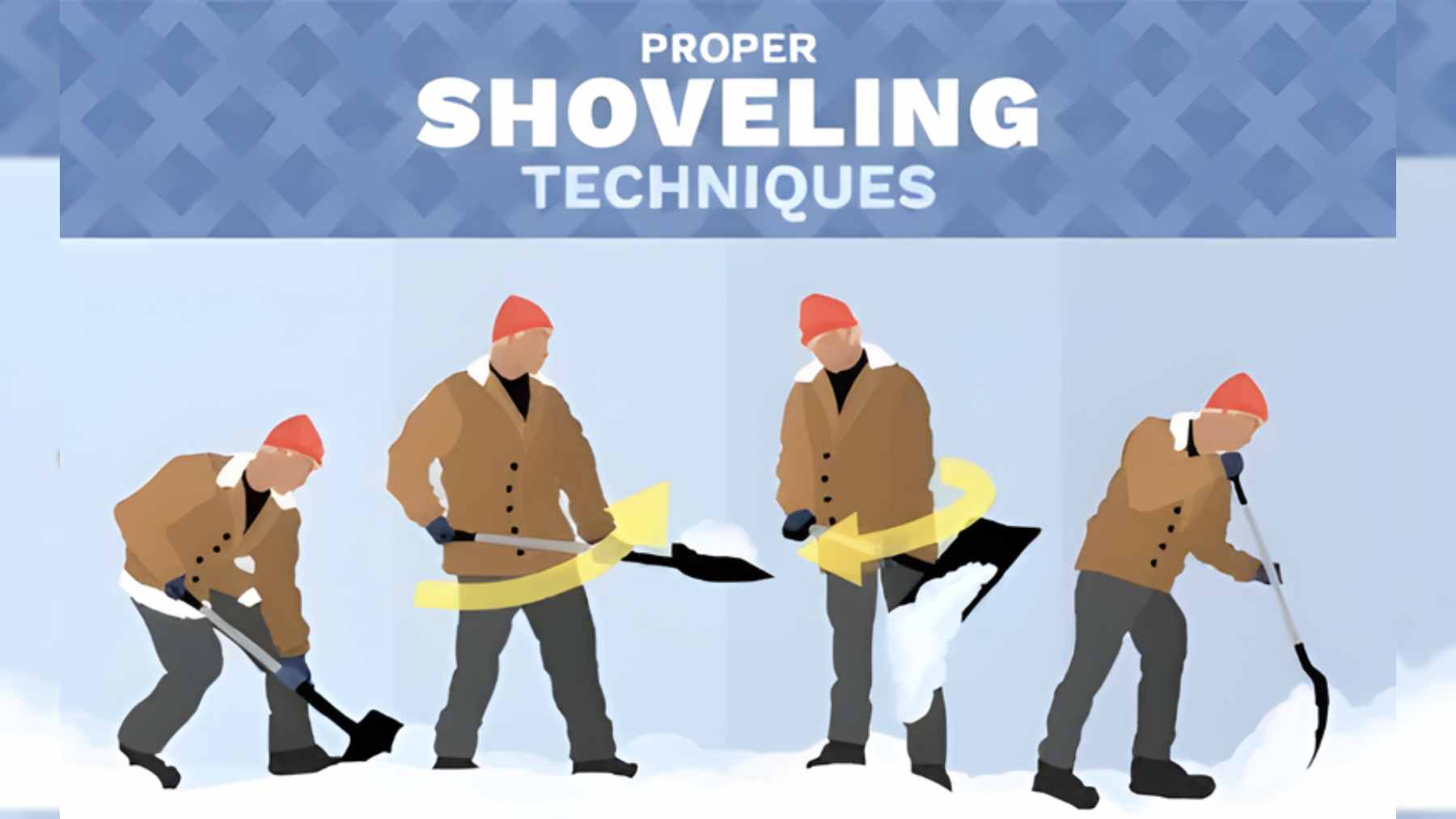
Safe snow shoveling tips for heart health
For those who are cleared by their clinician and still plan to shovel, specialists recommend treating it like a serious workout, not a quick chore between emails. Practical tips include
- Warm up with a short walk and gentle stretches
- Dress in loose, layered clothing and avoid cotton next to the skin so sweat does not leave you chilled
- Shovel snow while it is fresh and lighter instead of waiting until it partially melts and refreezes
- Push snow instead of lifting whenever possible
- Take frequent breaks, listen for warning signs like chest pain, sudden shortness of breath, or dizziness, and stop immediately if they appear
- Stay hydrated with water or a sports drink even if you do not feel thirsty
- Watch for hidden ice that can cause falls and injuries to joints or the head.
Listening to your body in winter weather
At the end of the day, the question is less “How old is too old to shovel?” and more “How healthy and prepared is your heart for this specific job right now?” For many people in their fifties or even sixties who are active and low risk, careful shoveling in short sessions may still be reasonable.
For others the safest move is to hand off the shovel and stay inside where the only thing rising is the heat bill, not the heart rate.
The official statement was published by the American Heart Association Newsroom.