Chewing one dried clove after dinner sounds almost too simple to matter. Yet in recent months, articles and social media posts have been praising this tiny spice bud as a daily wellness ritual that could help everything from digestion to blood sugar.
So what does the science actually say about turning cloves into a habit instead of just a flavor in your curry or chai?
A tiny bud with a lot packed inside
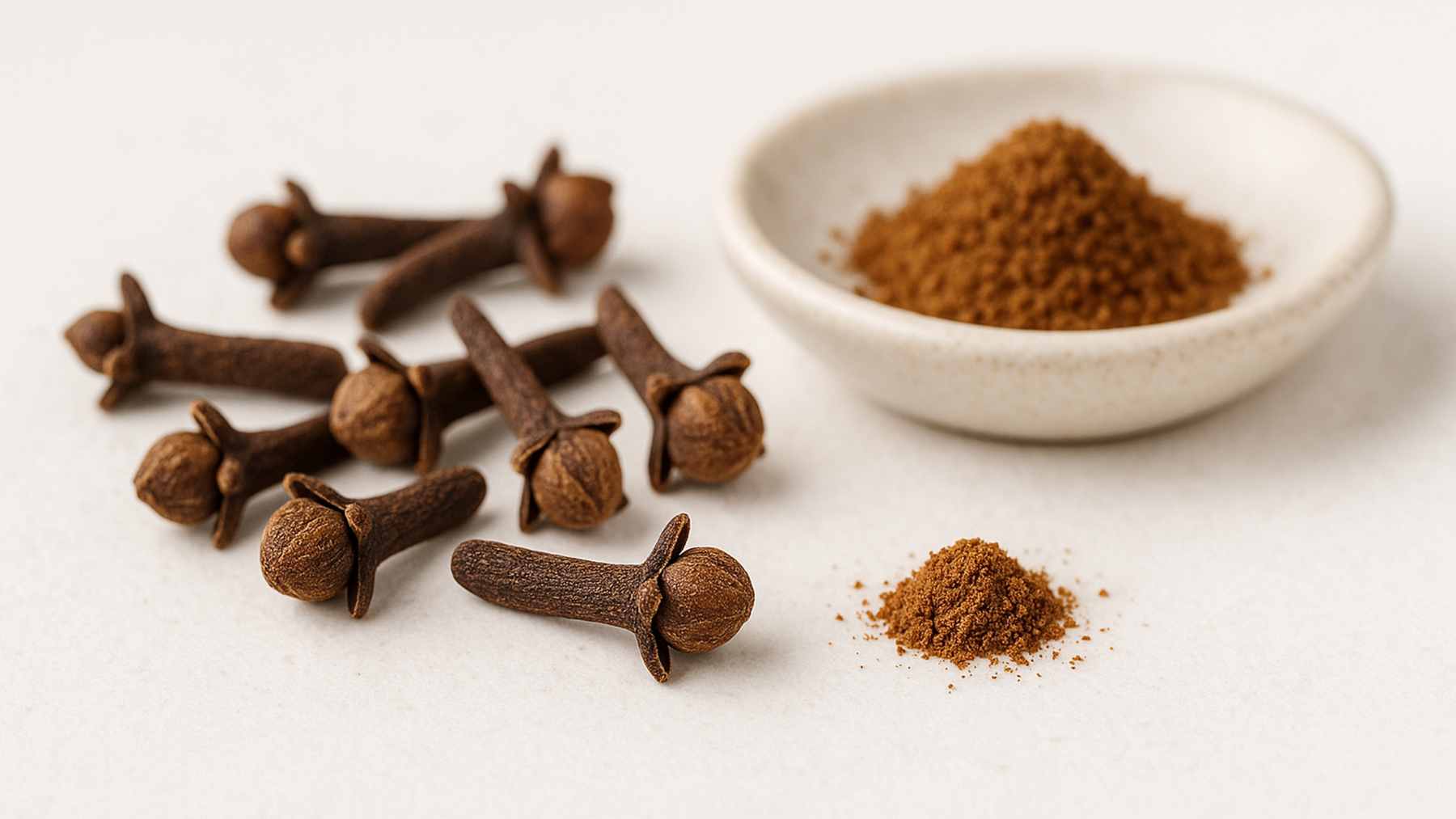
Cloves are the dried flower buds of the tree Syzygium aromaticum. They have been used for centuries in traditional medicine for toothaches, stomach troubles, and colds, and today they are a staple in kitchens around the world.
Nutritionally, they are surprisingly dense. One teaspoon of ground cloves, about two grams, provides fiber, vitamin K, and around half the daily value of manganese, a mineral that supports bone health and metabolism.
Of course, most people chew just one or two whole buds, so the vitamin and mineral contribution is modest, but they do add to your overall nutrient intake.
More interesting for researchers is what sits inside clove oil and the bud’s polyphenols. Reviews of clove and its essential oil describe eugenol as the main active compound, alongside a mix of other phenolic substances that show antioxidant and anti-inflammatory activity in lab and animal studies.
In everyday terms, that means clove compounds help neutralize free radicals and calm some of the molecular signals that drive chronic inflammation. Will one clove a day cure arthritis or prevent cancer? No. But as part of a pattern of antioxidant-rich foods, cloves can contribute to lowering overall oxidative stress.
First stop the mouth and the gut
If you have ever held a clove against an aching tooth, you already know one of its most famous uses. Dental and medical sources describe clove oil, which is rich in eugenol, as a mild local anesthetic with strong antibacterial effects against plaque forming bacteria and other microbes in the mouth.
Chewing a clove will never deliver the same concentration as a dentist’s clove-based cement, but it still releases a small amount of eugenol and other polyphenols into saliva. That can help freshen breath, slightly numb minor discomfort, and reduce some oral bacteria when it is paired with normal brushing and flossing.
Traditional medicine has also turned to clove for digestion. Modern reviews note its long standing use for gas, bloating, and stomach upset. After a heavy meal that leaves you feeling like you should not have gone back for seconds, chewing a clove may stimulate digestive enzymes and support gut motility.
The effect is gentle rather than dramatic, more an extra nudge than a cure.
Blood sugar, heart, and liver where evidence is promising but early
Many of the boldest claims around chewing cloves daily focus on blood sugar and heart health. Here the evidence is more nuanced.
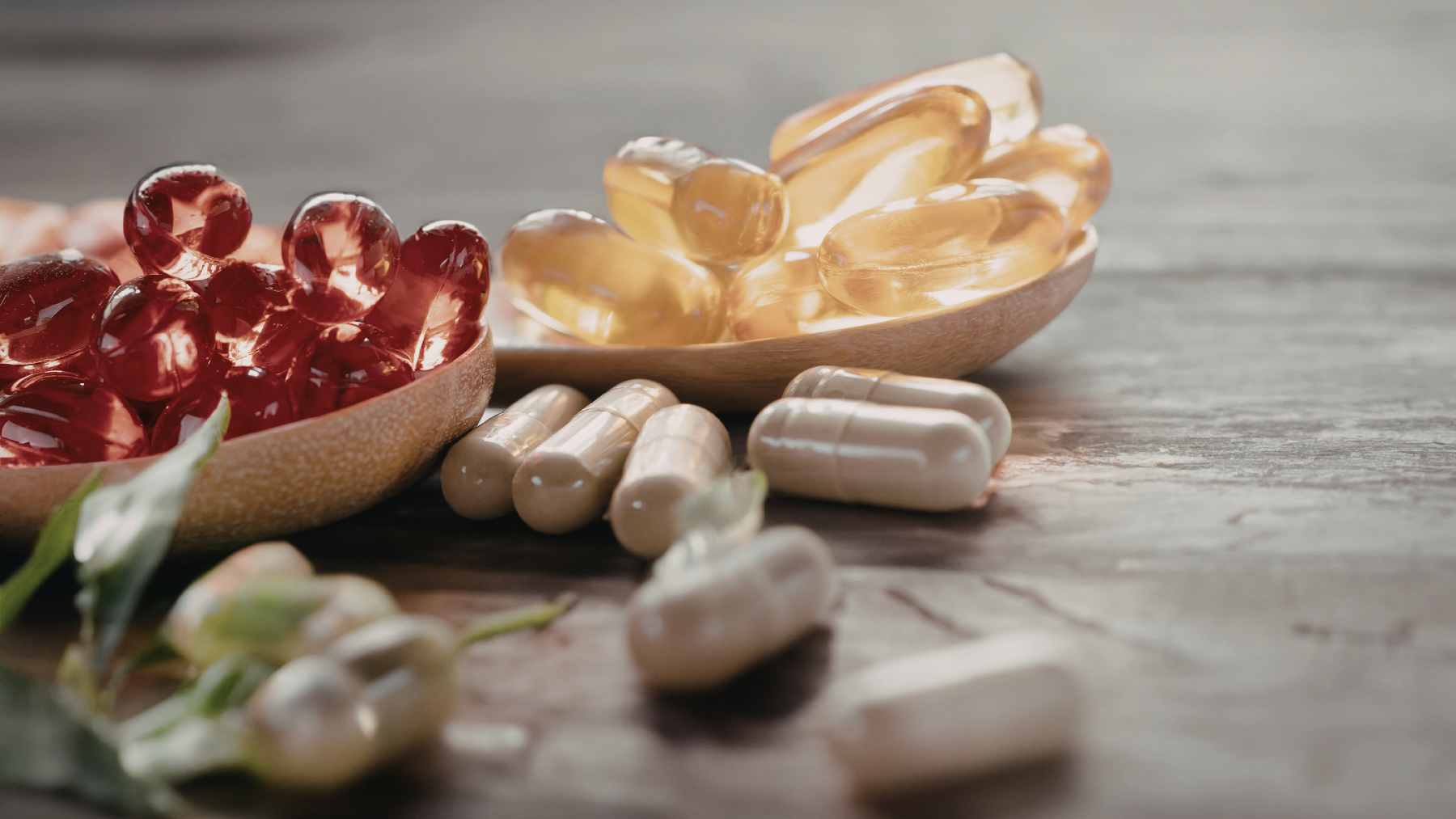
A small open-label pilot study tested a standardized water soluble extract made from clove buds, not whole cloves you chew at home. Thirteen adults took a 250 milligram capsule of this polyphenol-rich extract once a day for thirty days.
Researchers reported modest but statistically significant reductions in pre meal and post meal blood glucose, especially in participants who started with borderline high values.
That is encouraging, but there are important caveats. The study was tiny, it had no placebo group, and it used a concentrated extract designed for supplements. Chewing one clove at the end of dinner will deliver far less active compound. Independent health organizations also emphasize that most human data on cloves and blood sugar involve extracts or oils, not everyday culinary use.
So at best, a daily clove is a gentle extra alongside established diabetes care, not a replacement.
Animal and lab studies tell a similar story for liver and heart health. Extracts of clove or eugenol have been shown to protect liver tissue from certain toxins and to improve cholesterol and triglyceride profiles in experimental models.
That hints that adding small amounts of the spice to a diet rich in plants and healthy fats could be a helpful extra for cardiovascular and metabolic health. But again, researchers are careful to say that more and better human trials are needed.
How much is actually sensible
Because cloves are so potent, “a little” really does go a long way. Popular articles and herbal guidelines tend to converge on culinary doses such as one to three whole buds per day or less than a quarter teaspoon of ground cloves. A 2025 scientific review notes that the World Health Organization suggests a safe daily intake of eugenol, the main clove oil component, of up to roughly 2.5 milligrams per kilogram of body weight, and warns that higher exposures can cause toxicity.
That is one big reason experts draw a line between chewing a clove and swallowing clove essential oil. Case reports in children describe near fatal liver injury, seizures, metabolic acidosis, and coma after ingesting undiluted clove oil.
LiverTox, a database from the US National Institutes of Health, notes that while typical “therapeutic” doses of eugenol appear safe, large accidental or intentional ingestions can severely damage the liver and disturb blood clotting.
So for everyday wellness, whole cloves used as a spice or chewed in very small amounts are the focus. Concentrated oils and high-dose supplements should only be used under professional guidance, if at all.
Who needs to be careful
Because eugenol can affect blood clotting, some clinicians advise stopping regular clove use at least two weeks before planned surgery, including dental procedures, especially if you already take blood thinners.
People with known liver disease, bleeding disorders, or serious chronic conditions should speak with their healthcare provider before adding daily clove habits.
There are also rare reports of people developing oral irritation or allergy-like symptoms from frequent exposure to eugenol and from chewing cloves regularly, which resolved when they stopped. Children are particularly vulnerable to essential oil toxicity, so clove oil should be kept out of their reach.
So is a clove a day worth it?
For most healthy adults, chewing one clove after a meal can be a low-cost, low-effort ritual that freshens the breath, gives digestion a small boost, and adds a bit of antioxidant support on top of a balanced diet. It is not magic.
It will not replace medication, a Mediterranean-style eating pattern, or regular movement. But as part of an overall healthy routine, this tiny, intensely flavored bud can play a small supporting role.
Anyone thinking about using cloves for specific health conditions, especially diabetes, heart disease, or liver problems, should treat them as a complement to standard care and talk with a clinician first.
The study was published in the Journal of Advance and Future Research.