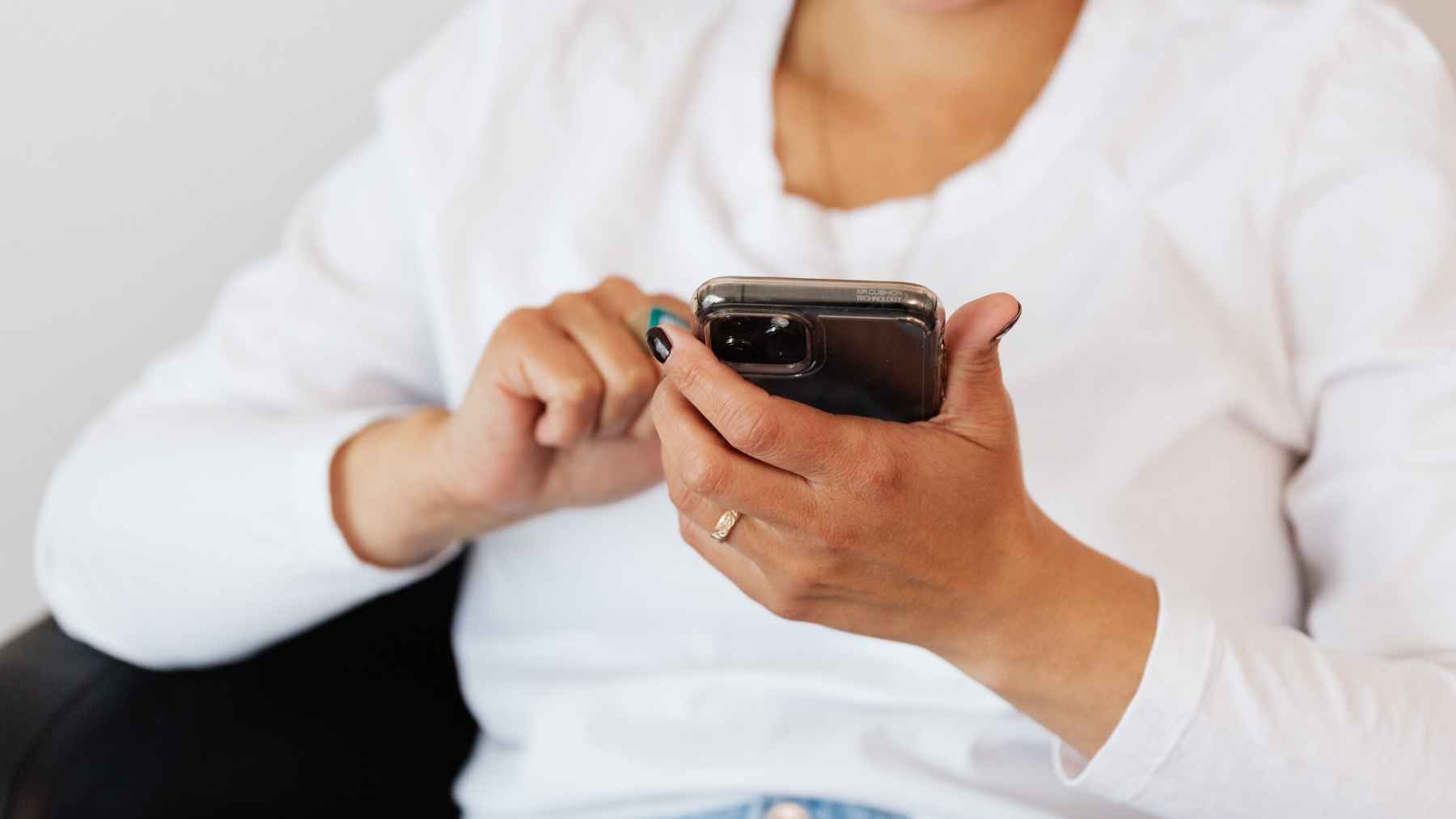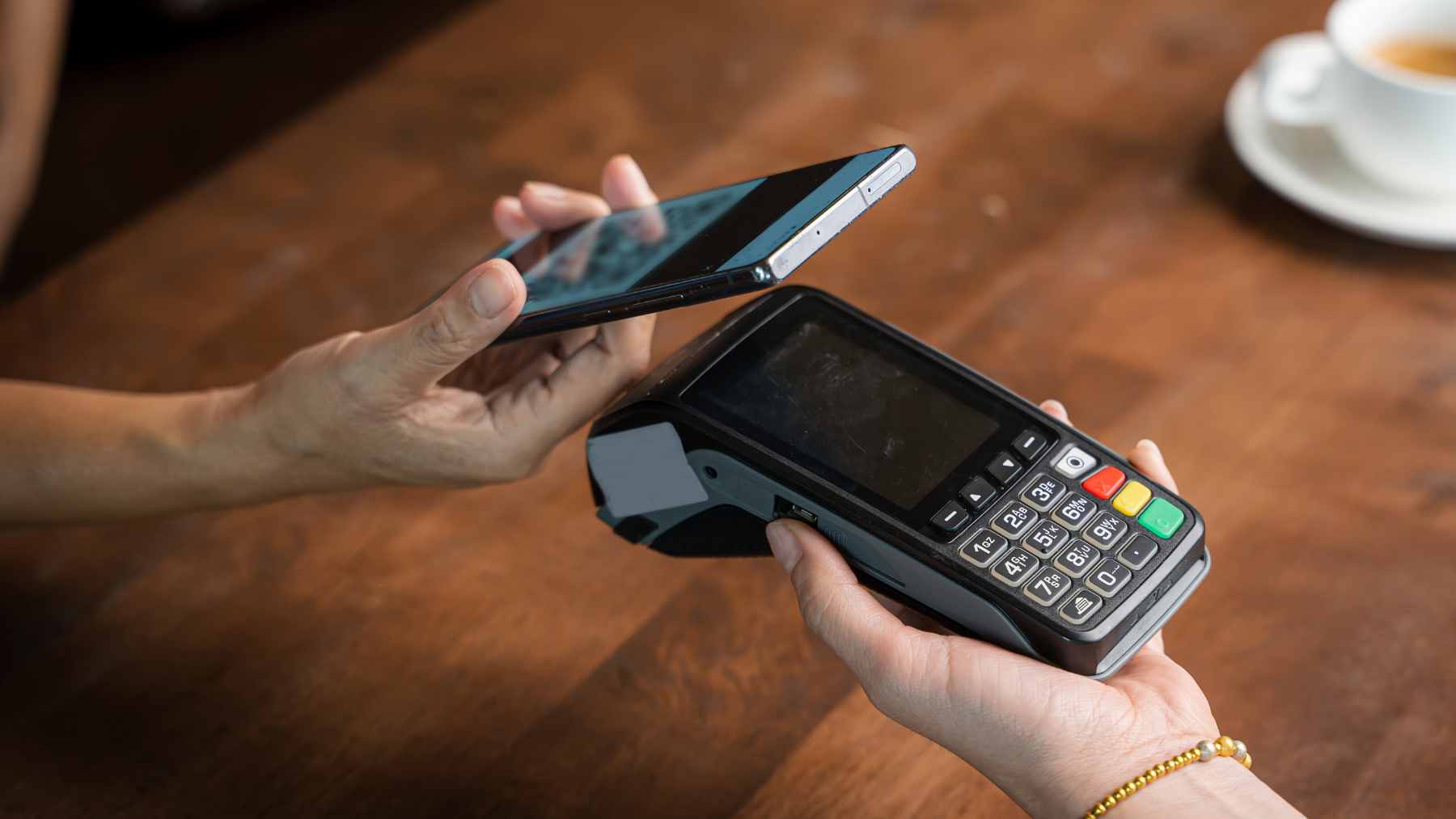
Tapping a card or phone at the checkout feels quick and harmless. Yet a new analysis of payment studies suggests that this simple gesture often nudges people to spend more than they planned.
Researchers reviewed decades of experiments comparing cash with digital options. Across 71 studies in 17 countries, covering more than 11,000 people, they found a small but statistically reliable “cashless effect” where spending tends to be higher when no physical money changes hands.
Why would a card make a difference when the price is exactly the same? Psychologists point to the “pain of paying”, the mild sting you feel when you watch your wallet get thinner. Handing over bills and coins makes that feeling concrete, while a quick tap separates the pleasure of buying something new from the discomfort of seeing money leave your pocket.
Lead author Lachlan Schomburgk from the University of Adelaide puts it simply. “When using cash, people physically count and hand over notes and coins, making the act of spending more salient. If nothing is physically handed over, it is easy to lose track of how much is spent,” he explains.
Where card payments hit hardest
The cashless effect is not the same in every situation. The research team found that people are most likely to spend more with cards when they buy status-focused items, such as jewelry, fancy clothing or high-end gadgets.
In more generous contexts the picture changes. For tipping or charity donations, cashless payments did not consistently boost amounts given compared with cash. Your local donation jar still holds up quite well next to a sleek card terminal.
The analysis also suggests that the cashless effect has softened over time as consumers get used to digital payments, and that it appears stronger in periods of economic growth. So cards are not magic spells that blow up every budget, but their influence does appear again and again.
What this means for your everyday budget
For households watching every dollar in a cost-of-living crunch, even a “small but significant” effect can add up. If you tend to overspend on nights out, online shopping or little treats at the supermarket, switching those categories back to cash can work like a built-in speed bump.
That does not mean digital payments are bad. They are convenient and often safer than carrying large amounts of cash. What this research highlights is the need to match the tool to the situation instead of swiping on autopilot, a point the authors say matters for consumers, retailers and policymakers alike.
One simple approach is to use cards for fixed bills and essentials you track, such as rent or public transit, and keep cash for categories where impulse is a bigger risk. You still get the convenience of tap to pay, but you add a bit of healthy friction where it counts.
The next time you hover your phone over a payment terminal, it might be worth pausing for a second. Ask yourself what the same purchase would feel like if you had to count out the bills from your wallet.
The study was published in the Journal of Retailing.