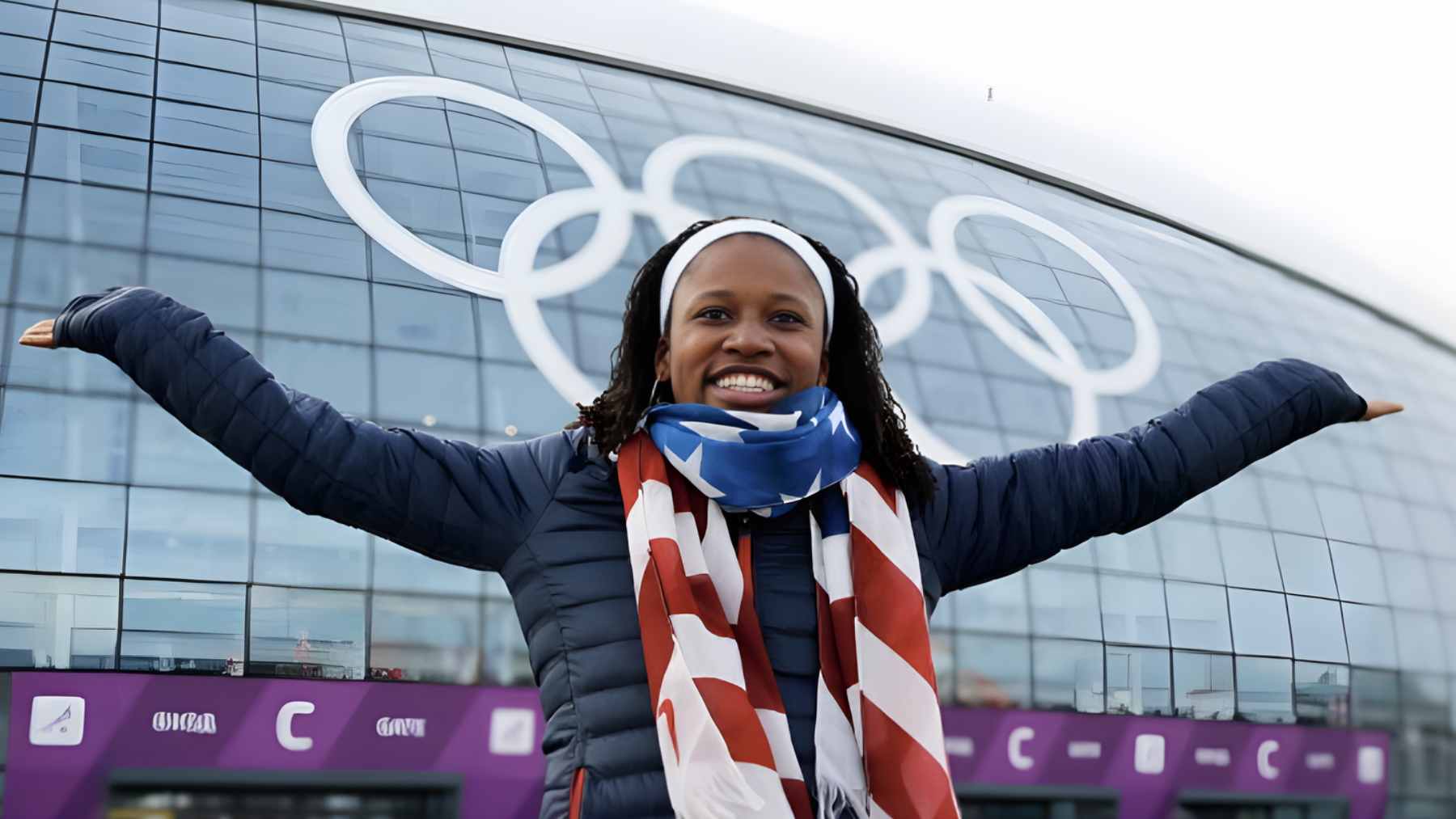
At 20, Lauryn Williams was earning about $200,000 a year from sponsorships while sprinting for Team USA. A few years after becoming the first American woman to win medals at both the Summer and Winter Olympics, she found herself in a very different lane, starting over in a $12-an-hour internship at a financial planning firm.
Her experience is now the backdrop for a major experiment in how the United States treats its Olympians. A new nine-figure gift from financier Ross Stevens will provide $200,000 in long-term benefits to every American Olympic and Paralympic athlete beginning with the 2026 Milano Cortina Winter Games, regardless of whether they win a medal.
The money comes through the “Stevens Financial Security Award,” funded by a $100 million donation to the United States Olympic & Paralympic Committee and the United States Olympic & Paralympic Foundation and recognized as the largest gift in the organization’s history.
Why such a big number? Because the math behind an Olympic dream is often upside down. A commission report on elite American athletes found that competing at the highest level carries an average net cost of just under $12,000 a year once training, travel, coaching and fees are added up.
In plain English, many national team members are paying out of pocket for the chance to wear USA on their chest.
The strain is not only an American problem. A global survey of nearly five hundred elite athletes preparing for the Games reported that about 58% did not see themselves as financially stable, and large majorities felt they were not adequately compensated by Olympic bodies or national federations.
Rent, groceries and the electric bill still show up every month, even when the only thing on the calendar is training and recovery.
What makes the American system stand out is how little of it runs through the government. Unlike in countries such as Russia, China, South Korea and Australia, Team USA receives no direct federal funding.
Instead, the committee relies on sponsorship deals and media rights. Medal bonuses are real but modest by world standards, with American athletes typically earning around $37,500 for gold, $22,500 for silver and $15,000 for bronze, while places like Hong Kong offer roughly $768,000 for a single gold. A podium moment helps, but it is not a pension.
For Williams, the reality hit hard. Her Nike sponsorship once paid $200,000 a year, yet a twenty percent cut for her agent and taxes quickly shrank the headline figure.She later admitted that bad financial advice and a lack of practical money skills left her feeling behind friends who had spent their twenties in medicine or law.
That frustration pushed her to enroll in Certified Financial Planner coursework, fail the exam twice, then pass it while interning at a Texas advisory firm.
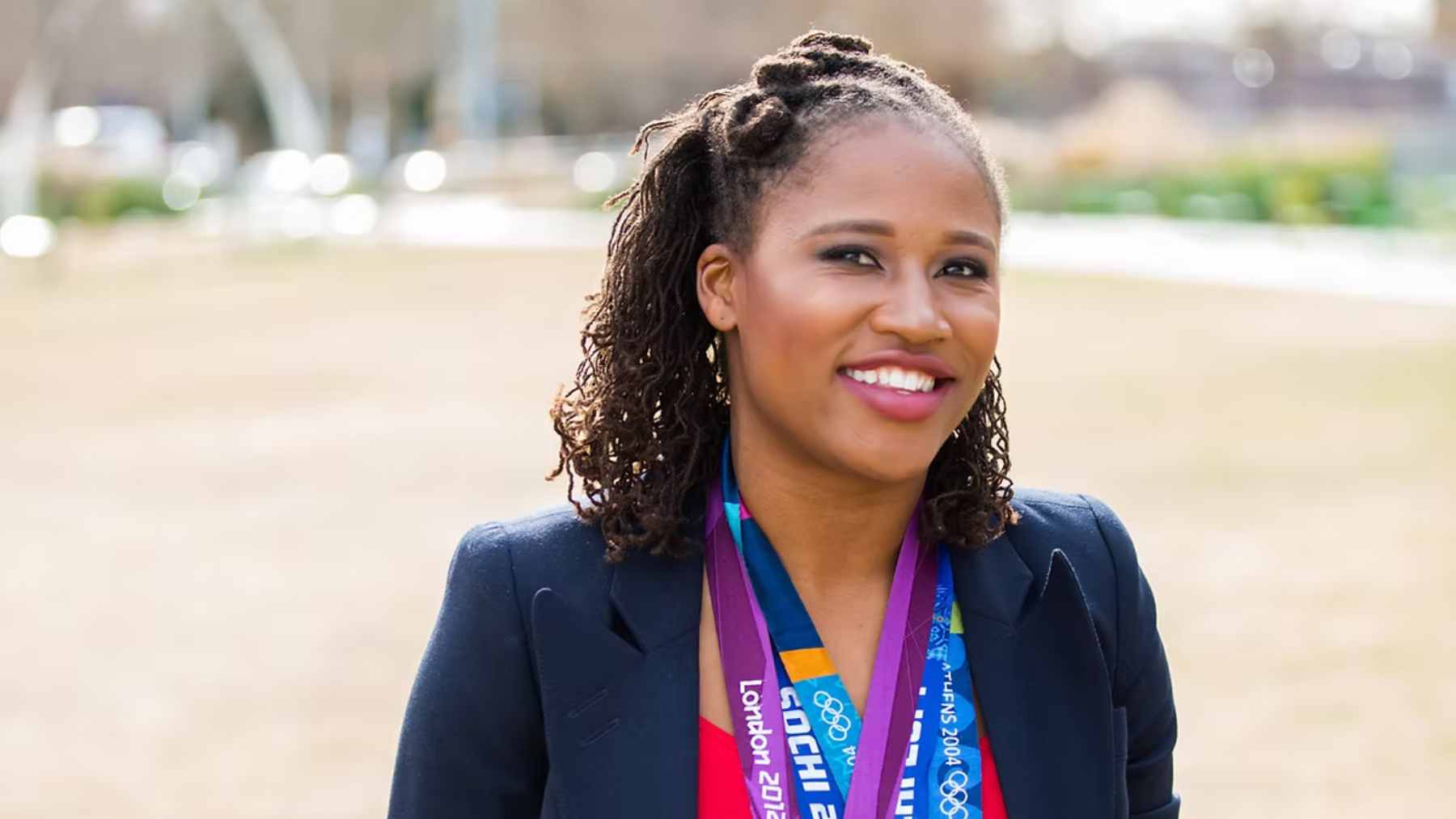
Today she runs Worth Winning, a fee-only planning firm aimed at young earners and pro athletes, and serves as an ambassador for the Certified Financial Planner Board of Standards, using her story as a cautionary tale about assuming a few big years of income will last forever.
For the next wave of Olympians, the Stevens award is meant to provide a financial floor that Williams never had. Under the program, eligible athletes who earn less than one million dollars a year receive two linked benefits for each Games they qualify for.
The first is a $100,000 grant payable twenty years after their first Olympics or when they turn forty five, whichever comes later. The second is a separate $100,000 life insurance benefit paid to a chosen beneficiary. Multi-time Olympians can stack awards, and funding is already committed through at least the Brisbane 2032 Summer Games.
In practical terms, that means a snowboarder or swimmer who spends most of their twenties bouncing between part time jobs and training camps will have a guaranteed six-figure pot waiting in midlife, along with a basic legacy for their family. It is more like a built-in retirement account than prize money stuffed into an envelope.
Financial planners who work with athletes say that even this kind of safety net will only go so far without a plan. Many Olympians can earn several hundred thousand dollars in one cycle, then face long stretches with little income while they prepare for the next Games.
That is why advisors such as Cody Schuiteboer and Jason Bayuk emphasize four simple but not always easy steps for long-term stability: build an emergency cash cushion, track monthly obligations with a realistic budget, protect income with health and disability insurance, and start preparing early for a second career once the final whistle blows.
None of those steps sounds as thrilling as a photo finish, yet they are the difference between a short burst of fame and a lifetime of financial stress. The new awards give athletes a head start on that process rather than a free pass from it.
For fans watching from the couch, it can be tempting to assume that a medal automatically comes with lifetime security. Stories like Williams’s and the creation of the Stevens Financial Security Award show that, for the most part, chasing the Olympic dream has meant juggling side jobs, sponsorship uncertainty and college style housing long after the cameras turn away.
At the end of the day, this record gift cannot fix every gap in the system, but it does send a clear message that representing your country is not supposed to leave you poorer for the rest of your life.
The official announcement was published by the United States Olympic & Paralympic Committee.