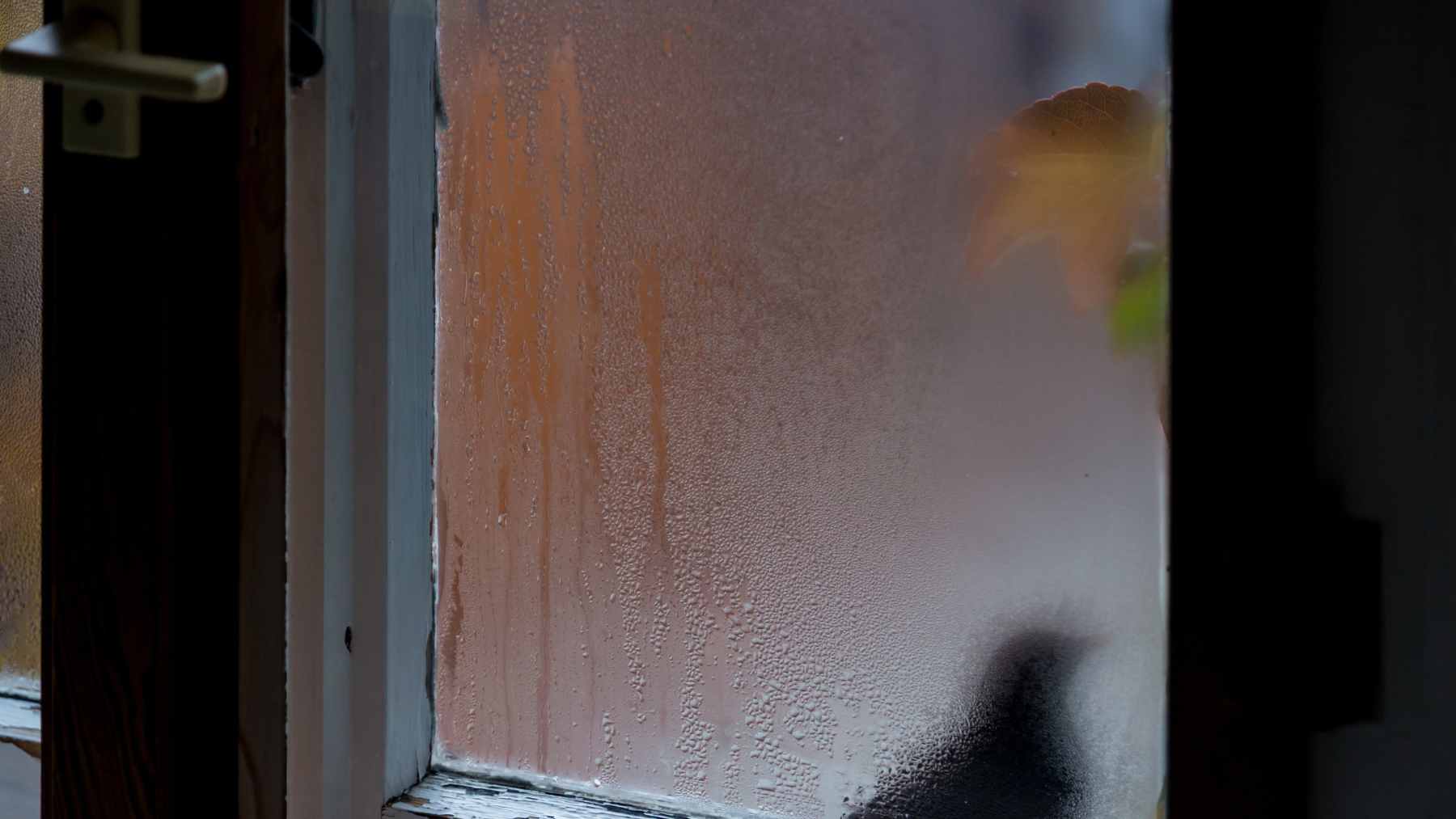
You roll out of bed, pull back the curtains and the view is gone. The glass is misted over, droplets sliding down onto the sill and sometimes onto the radiator below. Annoying, sure. But those “crying” windows are also sending you a quiet message about humidity, insulation and even your health.
In simple terms, condensation happens when water vapor in the air turns back into liquid water. That change usually occurs when warm, moist air is cooled to its dew point so the air can no longer hold all that moisture. Cold glass is the perfect place for that extra water to settle.
So if the physics is the same, why does condensation sometimes appear outside the window and other times inside on your side of the glass?
Outside mist can signal efficient windows
If the droplets are on the exterior pane, especially first thing on calm fall or winter mornings, it often means your windows are very good at holding heat in. Modern double and triple glazing, along with low-emissivity coatings, keep indoor warmth from reaching the outside pane.
That outer surface can then drop below the dew point of the surrounding air and collect moisture, a bit like dew on the lawn.
In other words, the glass is cold on the outside precisely because heat from your living room is not leaking out. Several window manufacturers and building experts note that exterior condensation on high performance glazing is cosmetic rather than structural and usually fades once the sun hits the glass or the air warms up.
It may spoil the view for an hour. It is not a red flag by itself.
Inside droplets are a humidity warning
Condensation on the room side of the window tells a different story. Here, warm indoor air hits a cold interior pane, cools rapidly and sheds water as it reaches its dew point.
Everyday life feeds that moist air. Cooking, showering, drying laundry on radiators and even a family sleeping in one room all release water vapor. Cold glass then becomes the first surface where the air lets go of the extra moisture.
When indoor humidity stays high, droplets on the glass are only the start. Excess moisture encourages mold growth on frames, walls and hidden corners, which can damage materials and irritate lungs.
Agencies such as the U.S. Environmental Protection Agency advise keeping indoor relative humidity below sixty percent and ideally in the thirty to fifty percent range to limit condensation and mold.

So those “weeping” windows are often the earliest and most visible sign that the air in your home is too damp.
What can you do in practical terms?
At the end of the day, you have two levers to pull. You can warm up the surfaces or you can dry out the air. In everyday life that looks like this
- Ventilate moisture at the source. Use kitchen and bathroom exhaust fans while you cook and shower and leave them running for a short time afterward. Crack a window during steamy tasks when weather allows. This quickly removes humid air before it hits cold glass.
- Give the air a way out. In very tight, energy efficient homes, moisture can build up because it has nowhere to go. Short bursts of “shock ventilation” opening windows on opposite sides of the home for ten to fifteen minutes can swap damp indoor air for drier outdoor air without cooling the building too much.
- Control background humidity. A small dehumidifier near problem windows or in a damp bedroom can pull significant moisture out of the air, helping keep overall levels in that thirty to fifty percent sweet spot.
- Let warm air reach the glass. Heavy curtains or blinds that stay closed all day can trap a pocket of cold, damp air next to the window. Health agencies recommend keeping coverings open at least part of the time so room air can circulate across the glass.
- Wipe and watch. Regularly drying the panes and sills with a cloth limits water soaking into frames and gives you a quick check on how serious the problem is. If you ever see moisture you cannot touch between panes on double or triple glazing, that usually indicates a failed seal and a unit that needs professional attention.
Over the longer term, upgrading very old single pane windows or improving insulation around frames can make interior glass warmer, which means air needs to be closer to saturation before droplets appear.
A small daily habit with a big payoff
None of this is glamorous. Opening a bathroom window after a shower or hanging laundry in a better ventilated room is not as exciting as a new gadget. Yet these small choices can protect your home from structural damage, keep indoor air healthier and even trim heating bills over time.
So the next time you find yourself wiping a clear patch on a foggy window to check the weather, take it as a quiet reminder. Your glass is telling you something about the air you live in every day.
The official guidance was published by the U.S. Environmental Protection Agency (EPA).