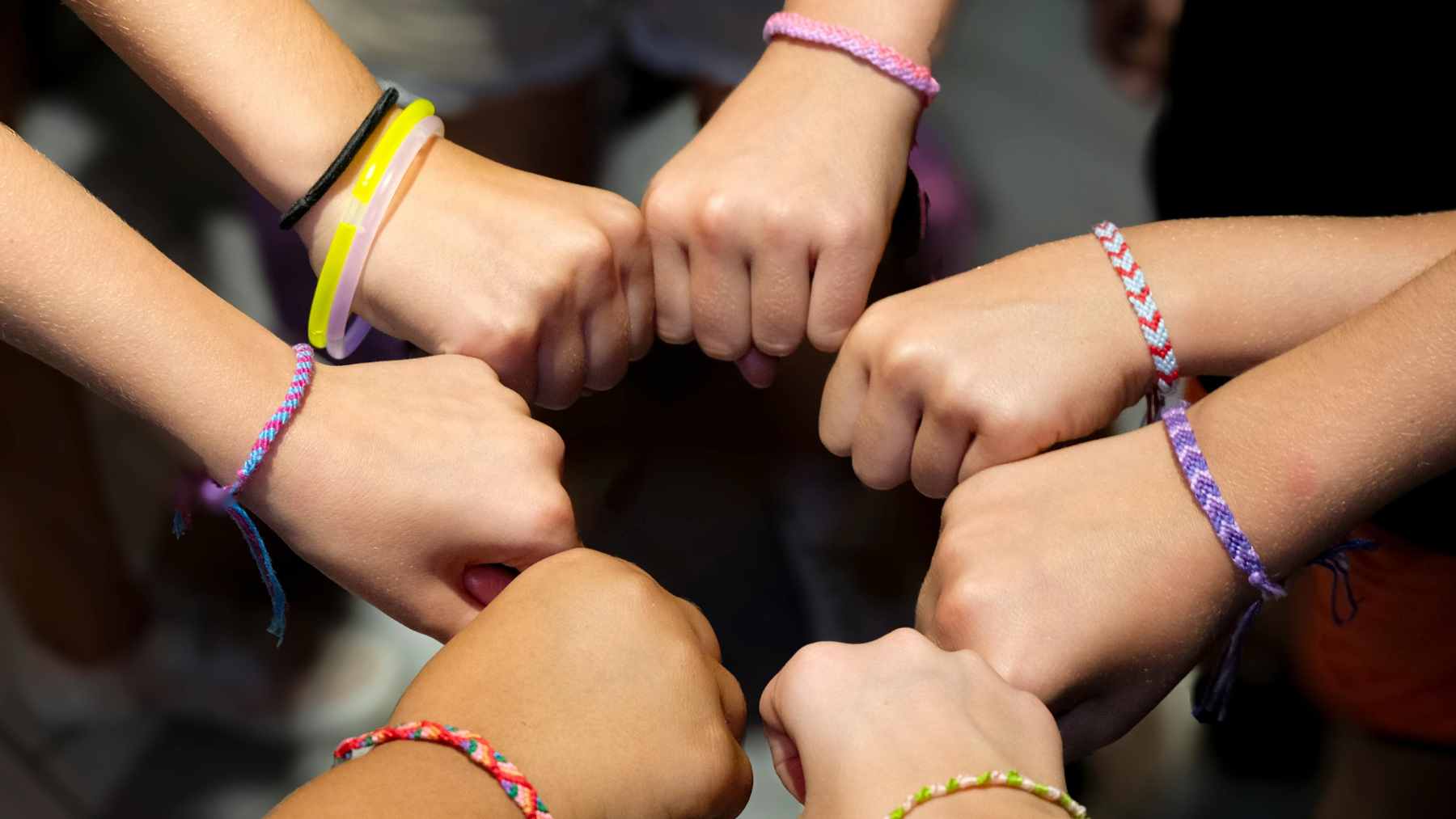
If you spend most weekends alone, does that automatically mean something is wrong with you? Psychologists say not necessarily. Having “no friends” can describe very different realities, from peaceful chosen solitude to painful, unwanted isolation that quietly wears down both mind and body.
Health agencies now treat social connection as a core pillar of well being, right alongside sleep and exercise. The World Health Organization recently highlighted that strong social ties are linked with better overall health and a lower risk of early death.
In the United States, the Surgeon General has warned that chronic social disconnection can raise mortality risk in a way comparable to smoking many cigarettes a day.
So where does that leave people who genuinely prefer a small circle or long stretches of time alone?
Choosing solitude vs feeling stuck alone
Clinicians draw a line between being alone and feeling lonely. Someone can have one close confidant and feel deeply supported. Another person can have dozens of contacts and still feel emotionally adrift. What matters most is the gap between the relationships you want and the ones you truly have.
Research on loneliness shows that when that gap feels painful for a long time, the risks add up. Studies link persistent loneliness with higher rates of anxiety, depression and cognitive decline, especially in older adults. It can disturb sleep and increase stress responses, which in turn may raise blood pressure and strain the cardiovascular system.
If, on the other hand, a very small social world feels comfortable and energizing, most psychologists would not call that a problem.
How many friendships a brain can handle
Our brains also place limits on how many relationships we can realistically maintain. Anthropologist Robin Dunbar proposed that humans can manage about 150 stable social connections on average, with inner circles that are much smaller.
At the center sit roughly three to five intimate friends or relatives. These are the people you would call from the hospital waiting room or in the middle of a rough night.
Around them there may be about ten “good friends” and roughly thirty or so regular contacts you see or message often. Beyond that, most relationships become looser and more superficial.
Not everyone fits these numbers exactly, and some newer work questions how rigid that limit really is. Still, the basic idea holds up in daily life. Maintaining closeness with someone takes time, emotional energy and attention. Those are all limited resources.
Why you instantly “click” with some people
Science is also uncovering surprising reasons we connect quickly with a few people and not with others. A team at the Weizmann Institute of Science tested same sex strangers and found that pairs who reported an immediate sense of “clicking” tended to have more similar natural body odor than random pairs.
Using an electronic nose device, the researchers showed that this odor similarity was strong enough to predict which strangers would later describe their interaction as positive. That suggests the phrase “good chemistry” in a friendship might have a literal, chemical component, even when no one is consciously sniffing anyone.

Not all friends play the same role
Philosophers and modern happiness researchers describe several layers of friendship. Building on Aristotle, contemporary work often talks about friendships of utility, friendships built around shared pleasure and “perfect” friendships that exist for their own sake.
In practical terms, that means you might have colleagues who are useful, buddies who are fun to go out with and a very small group who truly know you. Long-running studies from Harvard University find that those deeper relationships are most strongly tied to long-term health and happiness, even more than income or career status.
What to do if “no friends” hurts
If having few or no friends feels painful rather than peaceful, experts suggest starting with small, realistic steps. Interest-based groups, classes, volunteering or online communities around specific hobbies can make first conversations easier. For some people, working with a therapist helps rebuild confidence after rejection or betrayal.
The key is not to chase a huge contact list. What seems to matter most is building a handful of relationships where you feel seen, safe and able to be yourself.
The study was published in Science Advances.