For more than twenty years, USB sticks lived on our keychains and in desk drawers, carrying school projects, office presentations and family photos. Now they are quietly slipping out of everyday use as faster portable SSDs and cloud services take over, pushed along by huge file sizes, new laptop ports and growing security headaches.
Fresh numbers show how quickly habits are changing. The latest survey from Eurostat finds that just over half of European companies already pay for cloud computing, with more than seventy percent of those cloud users storing files there, and that share has climbed notably since 2023.
A recent consumer storage white paper from EaseUS Software goes further, concluding that traditional devices such as external hard drives and USB flash drives are “gradually being replaced by cloud storage,” especially for backup and sharing. So where does that leave the humble pendrive tucked onto your keyring?
Why that thumb drive suddenly feels small
Modern files are not gentle on storage. A single minute of 4K video, a stack of raw photos or a full design project can swallow gigabytes in one go. For years, common USB sticks in the 64 to 512 gigabyte range were enough for homework and a few vacation albums, but they struggle when you try to move full backups, high-resolution footage or game libraries.
Portable SSDs aimed at everyday users now reach around one thousand megabytes per second on common USB C connections, fast enough to edit video directly from the drive. Many inexpensive USB sticks still crawl along at tens or low hundreds of megabytes per second, which turns copying a big project into a coffee break.
At the same time, new laptops often ship with only USB C ports, so older USB A drives need dongles that can slow things down and add one more adapter to misplace in a busy backpack. In short, the small plastic stick has not kept up with the size and speed of the files we expect to toss around every day.
Convenience meets a serious security problem
There is another reason many workplaces are quietly phasing out casual USB use. Every time someone plugs removable media into a work computer, security teams see a double risk, from sensitive files walking out the door and from malicious code walking in.
The same portability that made USB drives so handy also makes them easy to lose on a train seat or leave in a conference room, sometimes with unencrypted client data still on them.
Attackers have noticed. In its latest USB Threat Report, Honeywell warns that “51 percent of malware attacks are designed for USB devices,” nearly six times the share reported in 2019.
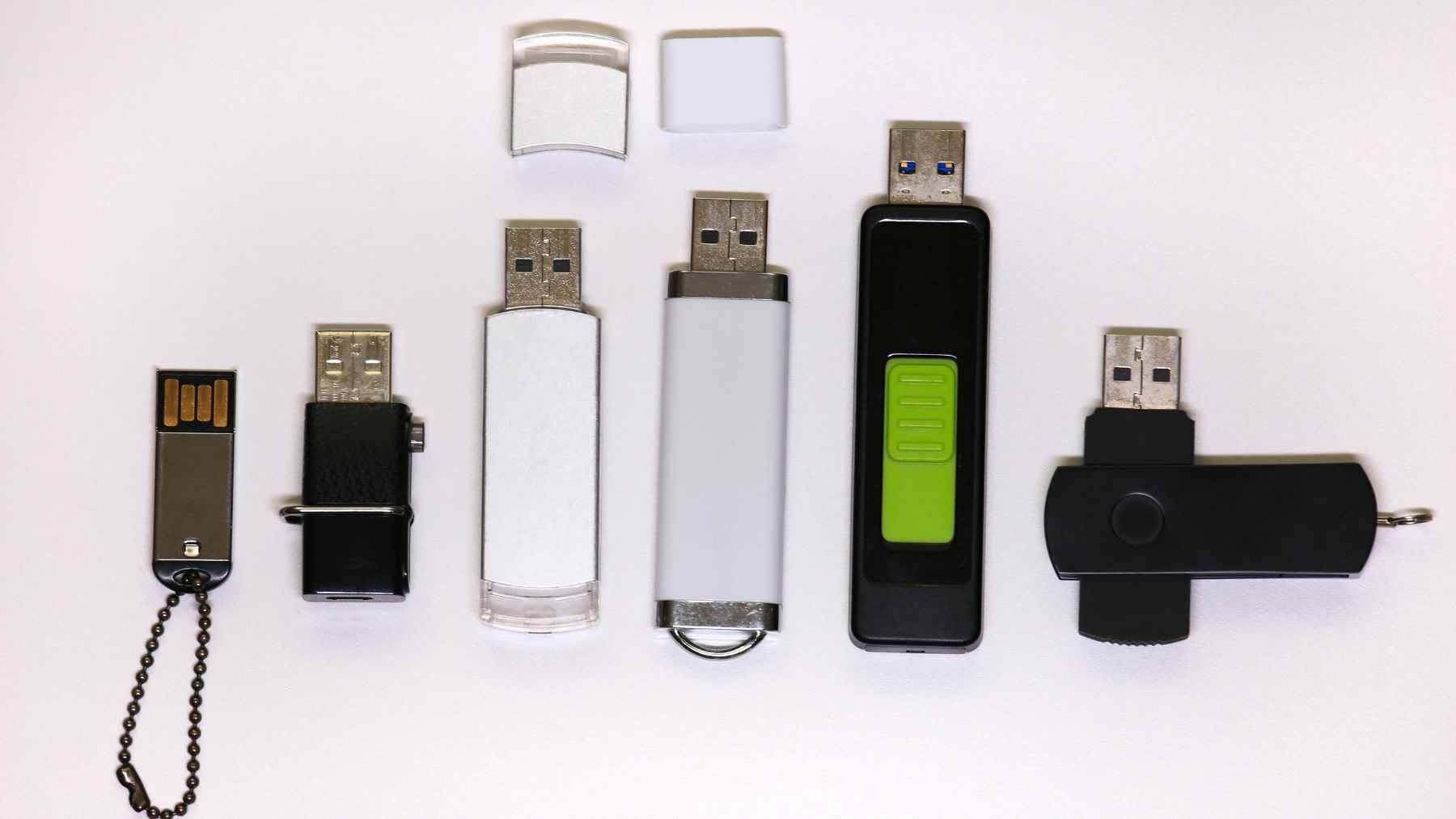
A separate 2026 review of high-security environments estimates that more than thirty percent of known malware outbreaks in industrial and critical systems start with USB transfers. Put simply, that free branded thumb drive on a trade show table is now seen less as a gift and more as a possible Trojan horse.
For organizations that rely on uptime and trust, those numbers are hard to ignore.
Cloud convenience still comes with a footprint
Shifting away from USB sticks does not mean storage suddenly becomes clean and risk free. Cloud services run on energy-hungry data centers, and old gadgets do not vanish when we stop using them.
The World Health Organization notes that millions of electronic devices are discarded every year, forming a growing stream of e-waste that can release toxic metals into soil and water when handled poorly. That drawer of forgotten pendrives eventually becomes part of a much bigger environmental problem if they land in the regular trash.
At the same time, cloud accounts and synced folders bring their own privacy questions. Many people now adopt a hybrid approach, keeping sensitive material on local encrypted drives and using the cloud for collaboration and everyday sharing.
Industry analysts highlight that trend, with research showing that most organizations with on premises servers still use cloud storage for at least part of their protection strategy.
So the story is not simply USB bad, cloud good. It is more a reshuffling of risks and responsibilities.
What you can do with your files now
For home users and small teams, the practical takeaway is to rethink what each storage tool is really for.
USB sticks still have a role for very specific tasks, for example installing an operating system or moving a few files into an offline or air-gapped machine. When you use them, choose models with hardware encryption if possible, label them clearly and treat them like keys rather than giveaways.
If a drive has traveled through unknown computers, do not plug it into your main work laptop without scanning.
For big projects and frequent transfers, a good portable SSD with USB C is usually faster, more durable and easier to manage than a handful of old plastic sticks.
Recent market guides show portable SSDs catching up on price per gigabyte while offering far better performance, particularly for photographers, videographers and gamers who juggle multi-gigabyte files every day.
For everyday sharing and backup, cloud storage is becoming the default choice, as long as you enable two-factor authentication and pay attention to who can see each folder.
Before you retire an old USB collection, wipe the data securely or physically destroy the memory chip, then look for certified e-waste collection points in your city instead of throwing the devices in the kitchen trash.
The transition away from pendrives will not happen overnight. Many of us still have one in a pocket or clipped to the car keys. Yet the direction is clear, and the way we carry data is changing as quickly as the data itself.
The official statistical report was published by Eurostat.