When North Carolina resident Carl McCain checked his Mega Millions ticket and realized he had won $800, he did what any winner would do. He drove to the lottery office expecting a small boost for his household budget. Instead, he walked into a tangle of databases, old debts and mistaken identity that almost swallowed his prize.
It sounds like a personal headache. Yet stories like his raise a bigger question. If the systems that handle lottery money are this fragile, what happens when the same machinery is used to manage billions for schools, climate action or conservation programs?
A small win that turned into a fight
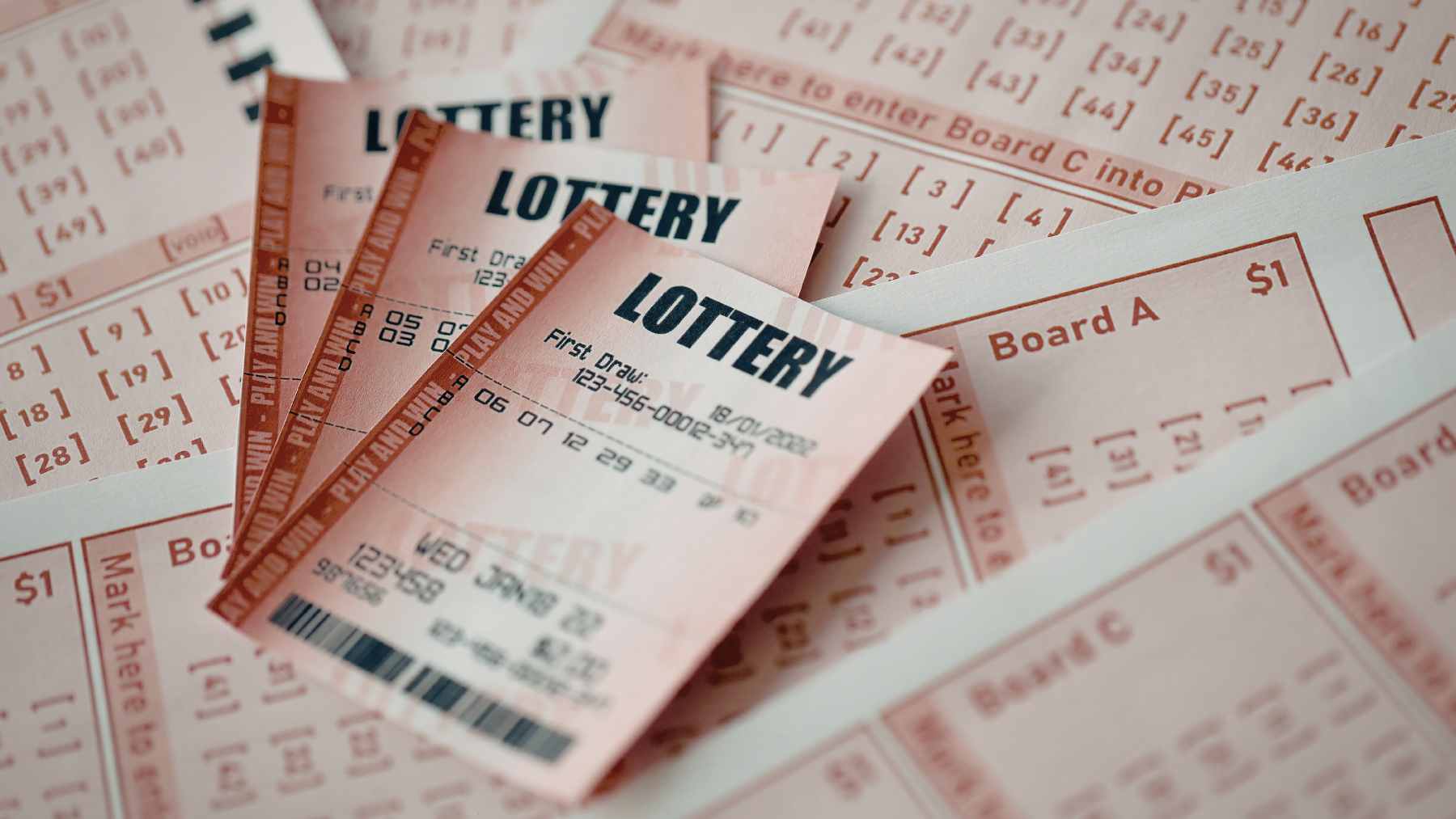
McCain matched four numbers in the November 4 Mega Millions drawing, enough for an $800 payout. Because of the size of the prize, he had to visit the North Carolina Education Lottery office in Raleigh in person to claim it.
He filled out the paperwork, handed over his ticket and sat down to wait for his check. Instead, staff gave him documents explaining that, under the North Carolina State Lottery Act, lottery winnings after taxes can be diverted to cover debts owed to state or local agencies.
An employee told him that records showed he owed money in Lenoir County and Wayne County. McCain replied that he had never even been to those counties and did not know anyone there. When county offices searched by his name and date of birth, they found nothing. When they checked his Social Security number, they found a different man’s name attached to it.
For more than a month he made calls and waited while officials said they were still investigating. Only after he contacted ABC11’s Troubleshooter team did things move.
The station confirmed that his winnings had been sent to Lenoir County and pressed county officials, who then removed his Social Security number from their database. Within days, McCain finally received his check, minus taxes. County officials later said the debt was more than ten years old and likely a case of mistaken identity.
A happy ending, more or less. But not everyone has a television station in their corner.
Where the lottery money goes
In North Carolina, the education lottery is pitched as a way to support public schools while people take a small chance on a win. Since ticket sales began in 2006, education programs have received more than $11 billion in lottery funds.
Recent financial statements show just how the money is carved up. In the 2023 to 2024 fiscal year, roughly 70% of lottery revenue went back to players as prizes, a little over 20% went to education programs, with the rest covering retailer commissions and administrative costs.
On paper, that is still a lot of cash for classrooms. In that same year, education programs received about $1.09 billion from the lottery. Yet the original law once required 35% of proceeds to go to education.
Lawmakers later softened that rule, and both advocacy groups and a recent audit note that the share going to schools has slipped, from just over 20% to closer to the mid teens in recent years.
For families who see crumbling school roofs, crowded buses or outdated science labs, every diverted dollar matters. When an $800 prize is misdirected because of a database error, it is not just the player who loses confidence. The whole idea that lottery money reliably supports public goods starts to look a bit shaky.
Lotteries and the green side of public funding
Lotteries do not just fund classrooms. In several parts of the United States, voters have approved schemes where a slice of lottery proceeds goes straight into environmental trust funds. Nebraska sends almost half of its lottery income into an environmental trust that pays for habitat protection and water projects.
Minnesota dedicates lottery money to an Environment and Natural Resources Trust Fund, while Oregon reserves a portion of its lottery earnings for conservation, with proceeds expected to generate well over a billion dollars for parks and natural restoration over two decades.
In other words, when someone buys a ticket, they might be quietly helping restore wetlands, protect wildlife corridors or strengthen floodplains in the face of climate change. Those programs rely on public trust. People need to believe that the money goes where the law says it goes and that the systems behind it treat citizens fairly.
If a simple identity mix up can freeze a modest prize for weeks, what happens when the same data matching tools decide who receives a home energy rebate, a heat pump grant or compensation after an environmental disaster?
Fixing the systems behind the tickets
McCain’s case highlights a problem that is more structural than personal. The rule that allows lottery winnings to be seized for public debts is meant to help agencies collect money that is legitimately owed.
The policy can cover anything from unpaid taxes to court fees, and in principle it protects public budgets that also support climate resilience, public transport and green infrastructure.
The trouble begins when identity checks lean heavily on Social Security numbers without robust safeguards or easy ways to challenge errors. A number typed incorrectly years ago or a record never fully cleaned up can ripple forward into someone’s finances, just as rising seas or heat waves ripple into daily life long after the pollution that caused them.
To a large extent, the solutions are familiar. Clear notification when money is withheld, speedy and transparent review processes, and modernized databases that regularly purge or flag doubtful records. Public audits that look not only at where lottery funds go but also at how fairly they are collected can rebuild confidence.
For environmental and climate related funds, that kind of transparency can make the difference between public buy in and public backlash.
In the end, McCain kept his $800 and even says he is still trying his luck. His story is a reminder that behind every colorful ticket there is a web of laws, databases and promises about how public money will be used, from classrooms to conservation projects. Getting those details right is part of building a fair, sustainable future.
The news report was published on ABC11 Eyewitness News.