What happens when a car you already struggle to fuel starts hurting your credit score too?
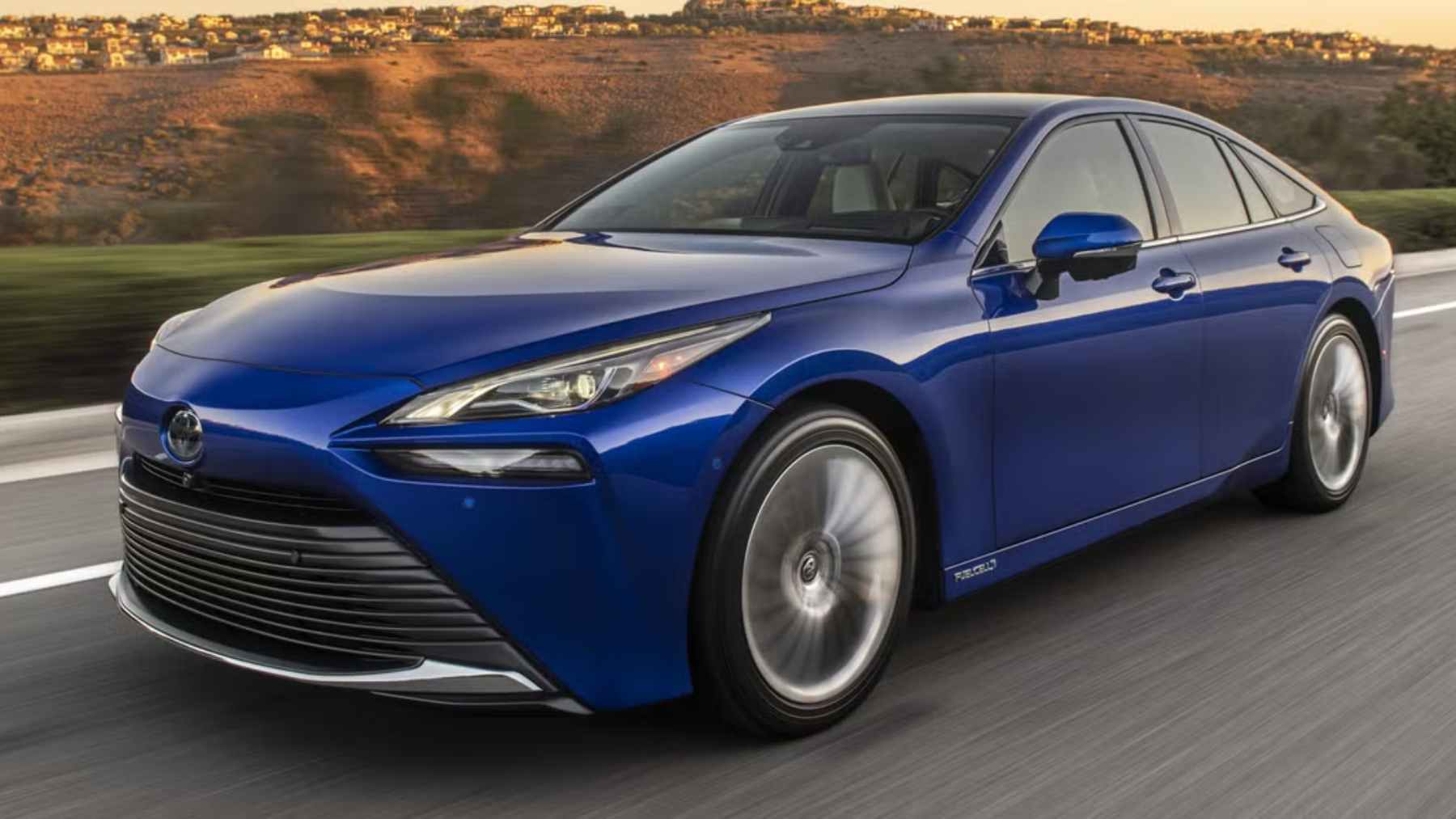
That is the situation a group of Toyota Mirai owners in California says they now face, after being told they could pause payments on their hydrogen sedans while they sue Toyota over the vehicles.
According to court filings and local TV reports, Toyota representatives told some Mirai drivers who joined ongoing litigation that they could temporarily stop making loan or lease payments until the case was resolved.
The promise sounded like a small safety net for customers paying hundreds of dollars each month for cars that often sit parked due to a lack of fuel.
Owners say the pause quickly turned into a trap. Several told reporters that despite written notes on their accounts, Toyota’s financing arm still reported them as delinquent, sending accounts to collections and triggering steep drops in carefully built credit scores.
One driver saw his score fall by around one hundred points and said he was then denied an interest-free loan to cover his wife’s medical bills, forcing him to rely on high-interest credit cards instead.
Others described similar hits after nearly four years of on-time payments. Some managed to get the marks removed only after repeated calls and complaints. Another Mirai owner said his score fell by about one hundred fifty points even though he insists he never missed a payment before following Toyota’s guidance.
For people who watch their credit the way many of us watch the electric bill, that kind of drop is not just a number. It can change whether you get an apartment, a car, or a fair interest rate.
Attorney Jason Ingber, who represents many Mirai owners, has called the situation a “fiasco within the fiasco” and accused Toyota of giving “false information” that left customers worse off than if the company had said nothing at all.
He argues that drivers should not have to choose between protecting their credit and preserving their legal claims about a car they often cannot use.
Hydrogen fuel-cell cars and the infrastructure reality
All of this sits on top of a much older problem. The Mirai was pitched as a glimpse of a cleaner future, a fuel-cell sedan that emits only water and refuels in a few minutes. On paper it still looks appealing. In practice, owners in California rely on a hydrogen network that has stalled and in some areas shrunk.
California once aimed for about two hundred public hydrogen stations by the middle of this decade. By mid 2024, only a little over fifty had opened, with reliability problems so common that some drivers now keep a gasoline car for daily use and save the Mirai for short local trips.
Hydrogen prices have also surged. Independent analyses using data from station operators show that a full Mirai tank can cost around $200 at current rates, far more per mile than a hybrid or even a large pickup truck.
The United States has only a few dozen retail hydrogen stations in total, nearly all of them in California, which means Mirai owners who move out of state often find themselves with an almost impossible car to refuel.
Lawsuits over hydrogen fueling claims and RICO allegations
Frustration over that fragile infrastructure has already produced multiple legal actions. A 2024 California class action alleged that Toyota dealers oversold the availability and convenience of hydrogen fueling, with buyers told that stations would be “convenient and readily available” when in reality app maps often pointed them to pumps that were empty or offline.
In late 2025, the fight escalated into a federal RICO class action seeking at least $5.7 billion dollars in damages. Filed in Los Angeles, the case argues that Toyota and its affiliates ran a “criminal enterprise” around the Mirai by hiding alleged safety defects and the collapse of the hydrogen network.
The complaint also highlights what it describes as “aggressive financial collection tactics” by Toyota’s credit arm, including efforts to collect on vehicles that owners say are effectively unusable.
Toyota has not addressed the specific credit reporting claims in detail. In earlier statements about the broader Mirai lawsuits, the company has said it is committed to customer satisfaction and is working with affected drivers on a case-by-case basis.
It also notes that it does not own or operate most hydrogen stations, although plaintiffs argue the company still helped design and finance the network that Mirai owners depend on.
What Mirai owners say this means for consumers and credit
For drivers, the legal nuance matters less than the daily reality. They bought into a cutting-edge technology that promised clean air and quick refueling. Instead, many juggle rental cars, long lines at unreliable stations, and now the fear that a dispute with an automaker could shadow their credit reports for years.
It is a reminder that early adoption of new transport technology is not only about range or charging speed. It is also about contracts, financing, and what happens when the experiment does not go as planned.
The press release outlining the latest Mirai class action was published on EINPresswire.com.