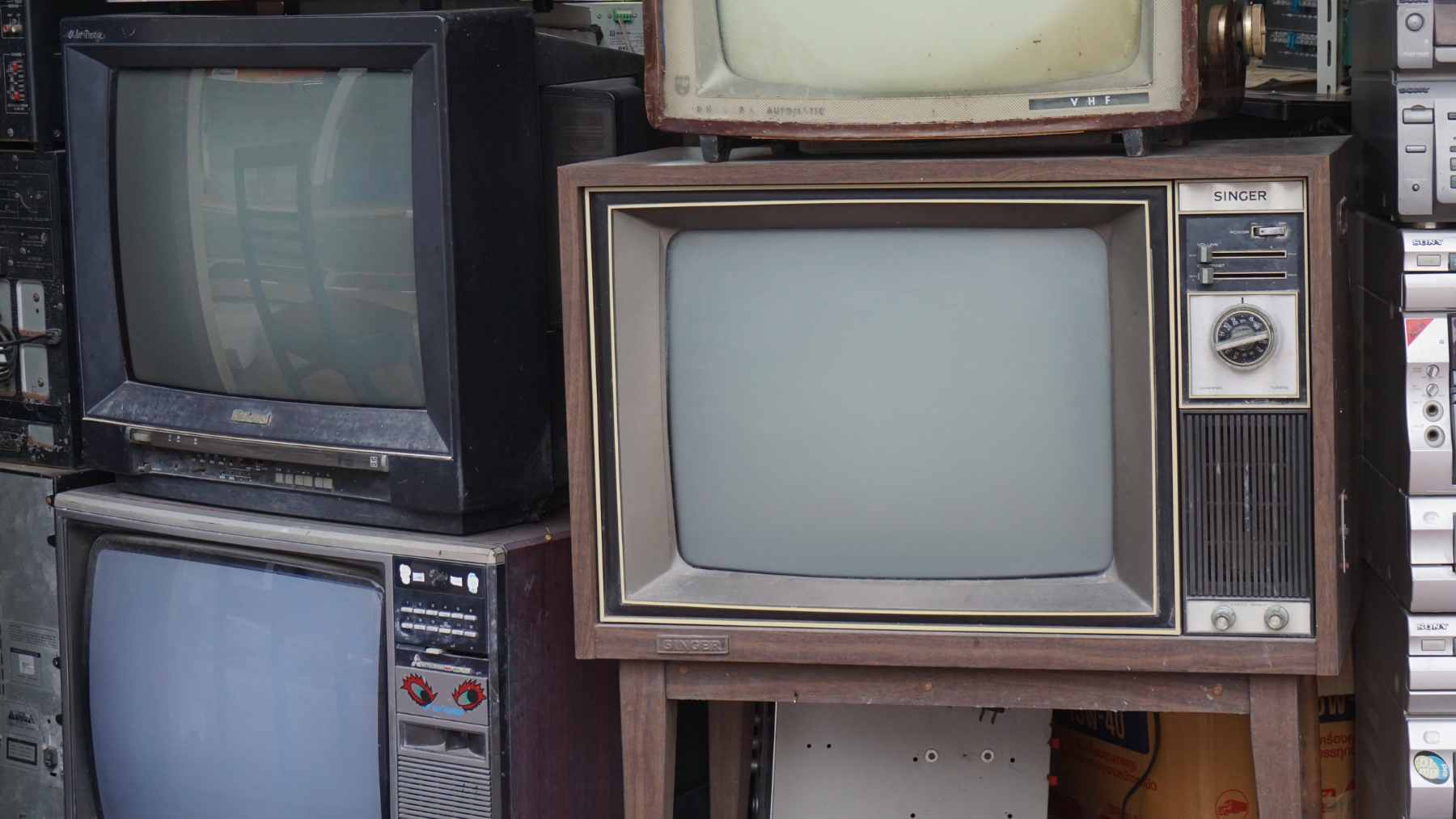
That heavy old TV in the attic might be a lot more valuable than it looks. Around the world, people are turning tube televisions and early flat screens into glowing lamps, tiny home bars, retro gaming monitors, and even cozy beds for pets.
At the same time, experts warn that tossing them in the trash feeds a growing e-waste crisis.
Old TVs and the hidden e-waste problem
Electronic waste is piling up faster than we can properly recycle it. According to the latest Global E-waste Monitor from the United Nations, the world generated about sixty two million metric tons of e-waste in 2022 and is on track to hit eighty two million tons by 2030.
Most of that weight comes from big items such as appliances, computers, and televisions. When old sets end up in informal dumps, their metals and chemicals do not just sit there. They can leak into soil and water, and they can expose workers who break them apart without protection.
Cathode ray tube televisions are a particular concern. Guidance from the U.S. Environmental Protection Agency notes that CRT glass marked for disposal is considered hazardous waste because it contains significant amounts of lead, especially in the funnel glass behind the screen. So the old living room centerpiece is not just bulky. Handled carelessly, it can be risky.
Turning a TV into a lamp, minibar, or pet nook
That is one reason many makers focus on reusing the shell rather than playing with the electronics. As reported in recent lifestyle coverage, one popular approach is to empty the interior and install safe low-voltage LED strips inside the cabinet, turning the former screen into a soft retro light for a corner of the living room.
The exterior can be sanded, repainted, or decorated so the piece fits a modern space while still keeping its vintage outline.
The same hollow cabinet can become a tiny minibar at home. Once the internal electronics are removed by someone who knows how to handle them safely, shelves for bottles and glasses can slide into the old frame. Open the front and instead of a fuzzy picture, guests see drinks and glassware tucked into a nostalgic box.
Pet owners are also getting creative. Some reuse empty TV shells as dens for cats or small dogs, adding a cushion where the tube once sat. Others create book nooks, plant displays, or even small terrariums behind the old viewing window, trends that design blogs and DIY communities have been highlighting in recent years.
The key detail is simple. Treat the electronics as something that needs careful removal and proper recycling, then let the outer shell become the canvas.
Why gamers still chase CRT screens
Not every old TV is headed for life as furniture. Some still work, and those sets have a second act in gaming rooms. Classic consoles such as the NES and Sega Genesis were designed for CRT displays. Many enthusiasts say these televisions offer lower input lag and a picture that matches the original games without extra processing.
Because of that, collectors often keep at least one working CRT as a dedicated monitor for retro systems. Newer flat screens, including early LCD and plasma models, are also finding extended use as second or third monitors on desks at home. With the right cables or adapters, they can expand screen space for work, streaming, or gaming without buying a brand new display.
When reuse is not an option
Of course, not every TV can be saved. Cracked screens, dead power supplies, or heavy water damage can make reuse impractical. In those cases, experts recommend official collection points instead of curbside trash.
Many cities now run e-waste drop off events or maintain permanent recycling centers, and some manufacturers sponsor take back programs for old electronics so the materials can be recovered under controlled conditions.
Donating still working sets is another path. Community centers, schools, and some nonprofit groups accept televisions that meet their size and safety requirements, especially newer flat panels that can double as displays for presentations or shared computers. For households, that can turn a headache in the garage into a useful device for someone else.
Looking at that dusty screen again
So what should you do with the old TV at home? First, decide whether it can be safely reused or donated. If someone with the right skills can gut the electronics and recycle them, the shell might become a lamp, a minibar, or a very stylish cat bed.
If the set is beyond saving, e-waste programs can make sure its lead, glass, and metals do not become tomorrow’s problem. At the end of the day, that bulky box is part of a much larger story about how we handle the devices that run our lives.
The study was published in the The Global E waste Monitor 2024.