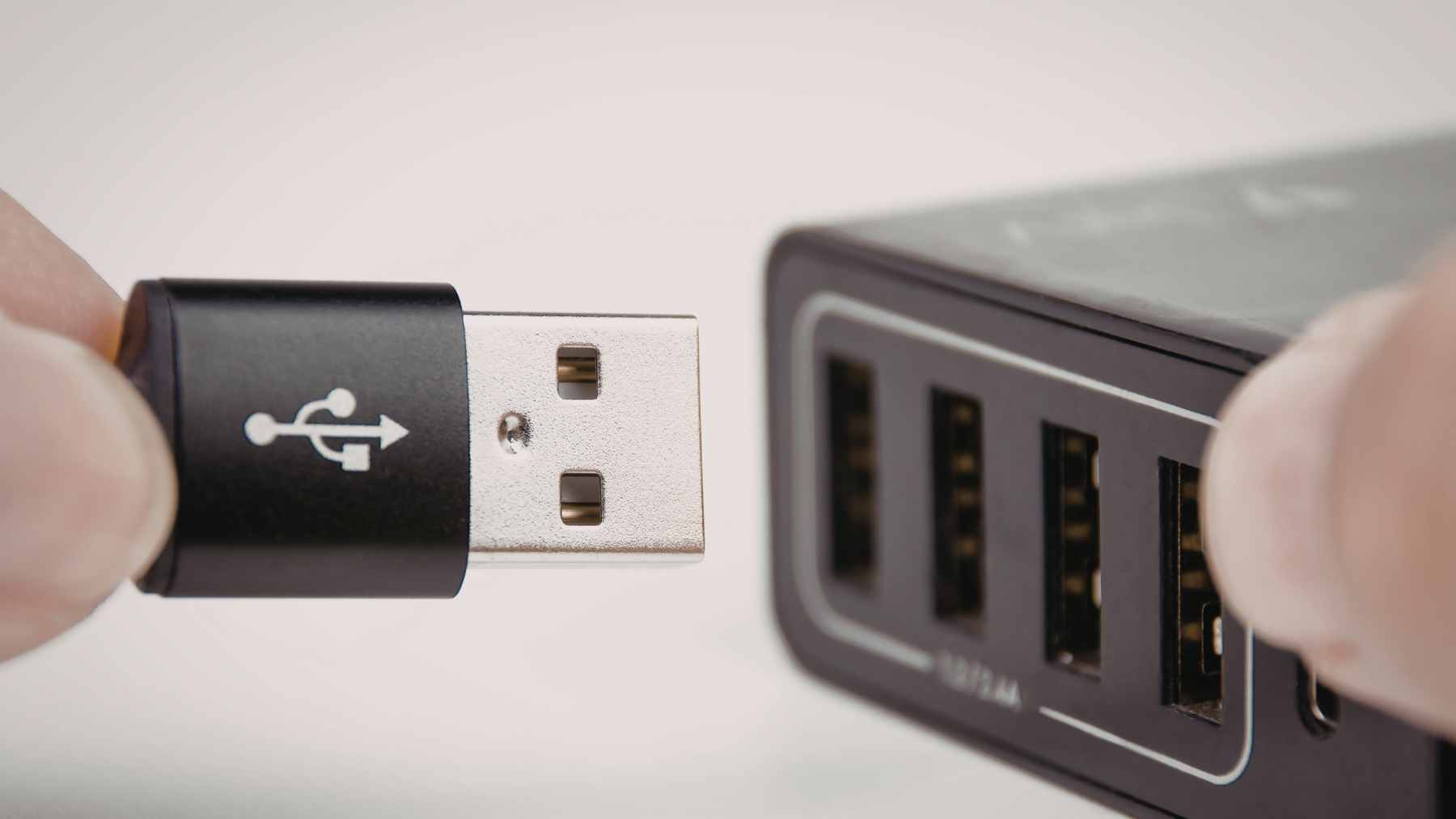
In a world where the European Union has pushed manufacturers toward a single USB C charger for most portable gadgets, color has quietly become a way to signal extra features. Since late 2024, all new phones, tablets, e-readers, and many other small devices sold in the EU must support USB C charging, with laptops joining in 2026.
The goal is to cut down on e-waste and that drawer full of random chargers many households have. So where does the purple fit into this new landscape?
Two big meanings behind a purple USB port
Unlike the classic black or blue ports, purple is not part of any official USB standard. The USB Implementers Forum, the group behind the spec, only requires or recommends colors for a few versions such as white for USB 1.x, black for USB 2.0, and blue or teal for 3.x.
Purple is listed as a non-standard color that manufacturers use mainly on plugs, often tied to Huawei SuperCharge.
In practice, a purple port usually points to one of two things. First, many purple connectors are linked to proprietary fast charging from Huawei, branded as “SuperCharge”. Akyga and other power supply makers note that purple plugs or jacks mark compliance with this standard, both in USB A and USB C versions.
With a compatible Huawei phone and the right cable, these ports can deliver higher wattage, in some cases up to about 66 watts, cutting charging time sharply compared with older 5 watt bricks.
Second, on some PCs and hubs, a purple port can simply signal that the connection supports USB 3.1. This generation offers data speeds up to 10 gigabits per second, about double USB 3.0 and far beyond USB 2.0. That is the kind of bandwidth you want for fast external drives or moving big video files instead of watching a progress bar crawl across the screen.
The catch is that color coding is not fully standardized. Tech guides and repair firms warn that purple usually means Huawei SuperCharge or USB 3.1, but not always, so the safest move is still to check the label next to the port or the device spec sheet.
What this means for your everyday charging
For most people, a purple USB port behaves like any modern high-end USB port. You can plug in a regular phone or accessory and it will negotiate a safe power level, then fall back to slower charging if your device does not understand the proprietary fast charge language.
Using the “wrong” gadget will not usually fry anything, but you may miss out on the speed the port can deliver.

Where things get interesting is when you match everything up. A purple Huawei charger, a purple-tipped cable, and a recent Huawei phone can pull much more power for a short burst, which is handy when you are about to run out the door with a nearly empty battery.
On the data side, pairing a purple USB 3.1 port with a fast SSD can save minutes every time you move a big project. Over weeks and months, that adds up.
Small plug, bigger picture
At first glance, the color of a USB insert feels like a tiny detail. Yet it reflects a larger shift in how we power and connect our devices. The EU push toward USB C is meant to reduce charger waste and simplify life for consumers. Manufacturers, in turn, are using colors such as purple to signal premium charging or data features on top of that shared connector.
For the most part, the advice is simple. Use trusted chargers and cables, watch for matching branding if you rely on fast charging, and check your device manual when in doubt. A little attention to those purple ports can mean faster top ups, quicker backups, and fewer surprises on your next trip.
The official statement was published by the European Commission.