Back in 2008, photos of Chinese metro stations surrounded by empty fields spread across news sites and social media. The platforms were spotless, the escalators humming, yet trains arrived to few passengers. Why would anyone put a subway stop in the middle of nowhere?
Today those same coordinates tell a different story. Many of those once-mocked stations now sit inside dense neighborhoods and feed rush-hour crowds, forcing us to ask whether we judged a thirty-year strategy with a six-month attention span.
From ghost station photos to rush hour crowds
In the late 2000s, reporters fixated on images of lonely security guards under metro signs, surrounded by lots and wide roads with no cars in sight. Critics in Europe and North America held up those scenes as proof that China was building white elephants, metro lines no one would ever use.
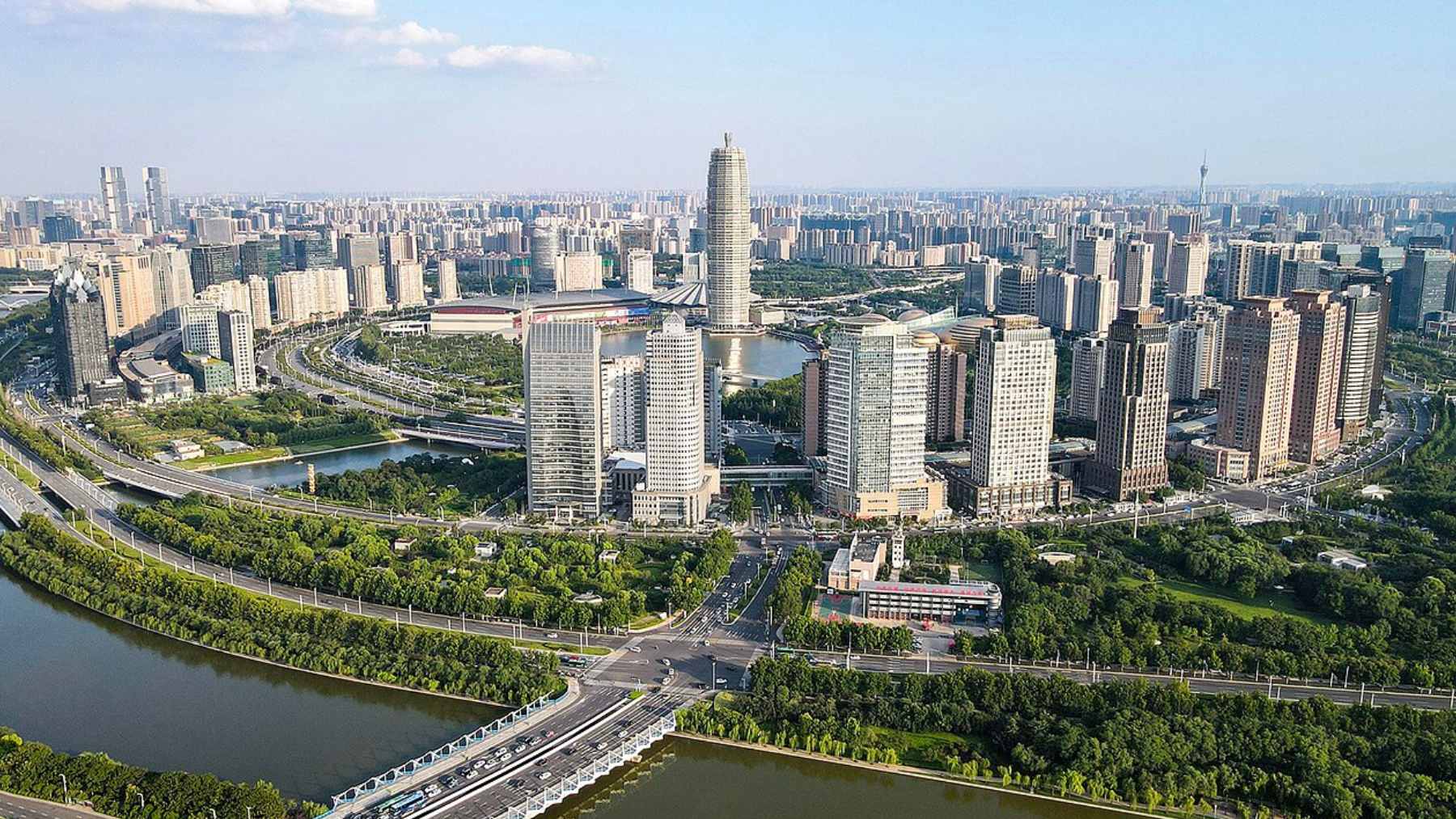
In Chengdu, for example, a station that once sat between vegetable plots in 2010 is now ringed by offices, schools, and cafes where commuters grab oat milk lattes. Apartments above the stop sold out in days rather than years, and real estate ads now highlight being one stop from the line instead of treating it as a warning.
Why planners drew lines through empty land
Behind those stations sat a simple, if risky, idea that turned the usual order on its head. Instead of waiting for traffic jams and then chasing demand, planners would build tracks first so that future neighborhoods could grow along fast, reliable transit.
Local governments sketched future districts on internal maps, then ran metro lines through those planned hubs while surrounding land was still cheap and mostly fields.
Research led by Jun Sun, published in the journal Transport Policy, describes how Wuhan rail companies could even reserve land along future routes so they captured part of the value increase when it was sold and used it to help finance construction.
A growth machine backed by data, not just faith
None of this means every station filled on schedule or that local debt was never a concern. Yet a major joint study on China’s metro boom concluded that rapid urbanization, strong municipal planning powers, and rising travel demand created good conditions for large urban rail networks.
That report stressed that rail works best when land use policy steers dense housing toward the stations instead of letting it sprawl elsewhere.
The same logic appears in research on metro projects in cities such as Changsha and Shenzhen, which finds higher property values and more construction within walking distance of stations. The bet that rails would attract life was not just optimism, it was backed by measurable changes in where people chose to live.
What the ghost station story got wrong
For many observers abroad, early images of empty trains and silent escalators neatly fit existing stories about authoritarian planning, white elephant projects, and wasted concrete. It felt safe to point and laugh from cities where a single new light rail line can take a decade of arguments and court cases.
Looking back from 2024, that reaction says as much about our own blind spots as it does about China. Studies of so-called ghost cities suggest that many new districts pass through a half-empty phase before slowly filling over many years, which turns striking drone footage into a snapshot instead of proof of permanent failure.
The uncomfortable lesson for cities still stuck in traffic
There is a practical takeaway for anyone who spends an hour each day staring at brake lights. Public transport built slightly ahead of demand can shape where people live and work instead of only reacting once congestion is unbearable.
A metro station is not a corner cafe, it does not need a packed opening week to be useful in twenty or thirty years.
For mayors and voters in Europe or the United States, that raises a question about backing projects that look oversized at first so the next generation has alternatives to gridlock. China’s experience is not a model to copy directly, yet stations that once stood alone in empty fields remind us that an empty platform can be a phase, not a verdict.
The main report on this strategy has been published by the World Bank and the Institute of Comprehensive Transport under the title “Urban Rail Development in China, Prospects, Issues and Options”.
The main report behind these findings was published on the World Bank site.