If you have ever seen a colorful phone screen or heard about ultra light, super strong materials used in next gen electronics, chances are carbon nanotubes were in the conversation. Now scientists say a version of that same high-tech material has been found hiding in dust from the far side of the Moon, formed without any help from human machinery.
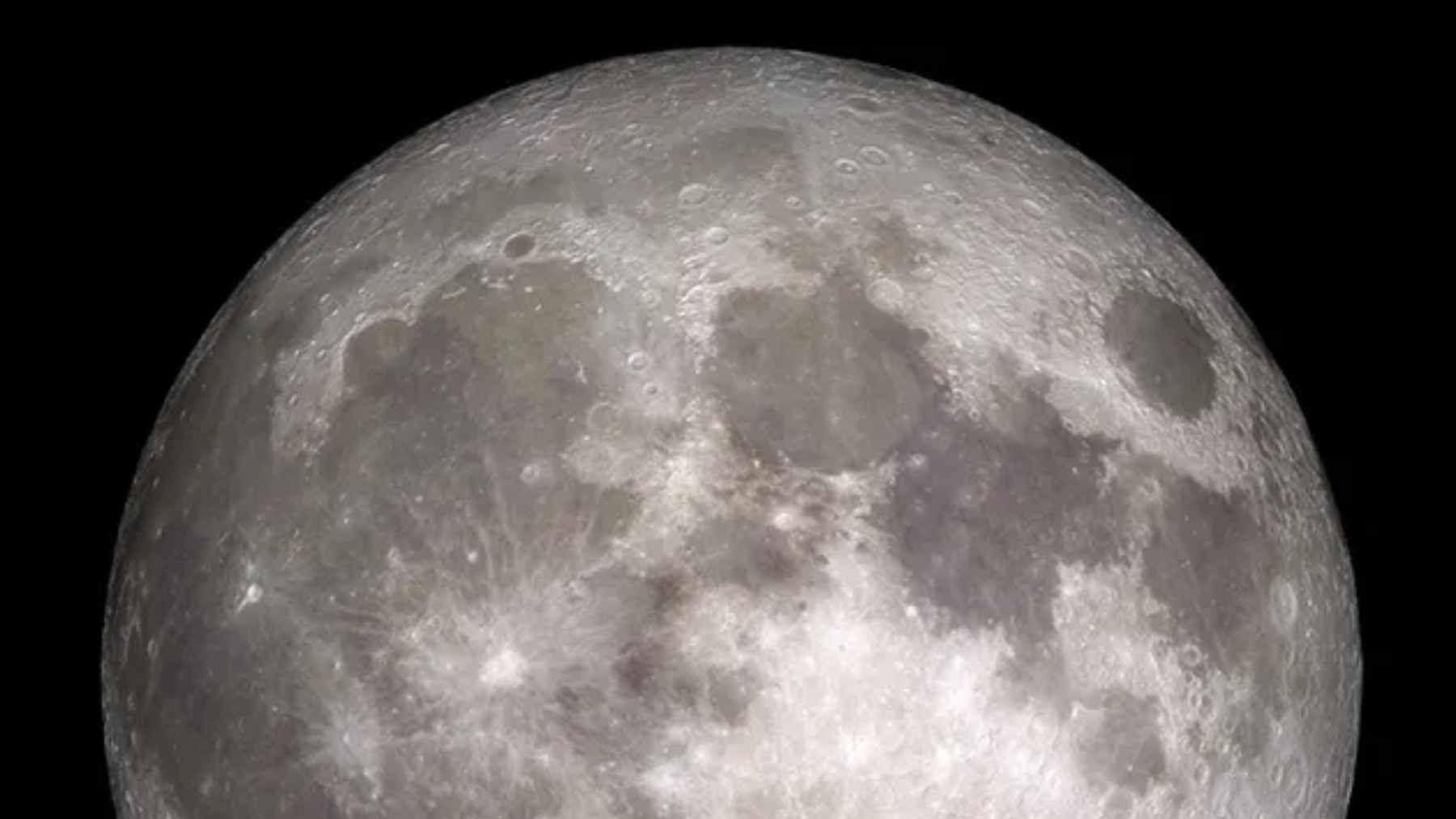
Researchers from Jilin University analyzed grains of soil brought back by China’s Chang’e 6 mission and spotted single-walled carbon nanotubes tucked inside microscopic impact scars. These nanotubes are tiny hollow cylinders of carbon with walls only one atom thick.
On Earth they are usually made in carefully controlled reactors and used in experimental batteries, flexible circuits, and sensors, so most scientists assumed they could not arise naturally.
What the Chang’e 6 team actually found
Using a suite of high-resolution microscopes and spectroscopy tools, the team scanned intact grains of lunar soil from the Moon’s far side and picked out faint signatures of graphitic carbon, the same family that includes graphene and nanotubes.
When they then scraped and examined ultra-fine fragments of those grains, they could actually see tube-like structures with perfectly-ordered carbon atoms and walls only one atom thick, confirming that they were single-walled nanotubes rather than more common multiwalled varieties.
Chemical fingerprints around the tubes, along with the presence of native lunar minerals, helped rule out contamination from Earth.
The researchers also compared these far-side samples with near-side soil previously collected by China’s Chang’e 5 mission and found that the far-side carbon structures carried more defects, likely a sign of a rougher bombardment history on that hemisphere of the Moon.
How nanotubes may grow on a seemingly dead world
So how does a lifeless, airless world cook up something engineers usually grow in high-end vacuum chambers
The picture that emerges is surprisingly violent. Over billions of years, countless micrometeorites have slammed into the lunar surface, briefly heating tiny patches of soil to extreme temperatures.
Carbon from incoming space rocks and from the solar wind is released as hot gas. As that gas cools very quickly in the vacuum, specks of iron already present in the regolith act like natural catalysts, nudging carbon atoms to link up into neatly rolled cylinders instead of settling into ordinary soot or flat graphite.
On Earth, nature has managed something similar only with thicker, multiwalled nanotubes, which have been found in coal, ice cores, and even the ash left behind by intense forest fires. Single-walled nanotubes were long treated as a kind of laboratory-only material. This new work suggests that, given enough time and energy, space can build them too.
A more active and complicated Moon
The discovery also feeds into a broader rethink of what the Moon has been up to for most of its life. The same study links nanotube formation to ancient volcanic activity and long-term solar wind exposure, hinting that the far-side crust saw more intense processing than the side that faces Earth.
Together with earlier work that spotted few-layer graphene in near-side samples from the Chang’e 5 mission, scientists now see a patchwork of advanced carbon structures embedded in lunar soil.

To a large extent, that means the Moon’s surface has acted like a slow motion materials lab, where high-energy impacts and internal heat quietly rearranged carbon into forms usually associated with cutting-edge nanotechnology.
Why engineers are paying attention
For people back on Earth, this is not just a curious space fact to file away with trivia about craters and eclipses. Single-walled carbon nanotubes are prized because they can be stronger than steel, excellent at conducting electricity, and very good at moving heat, all while being unimaginably light.
They already feature in experimental touchscreens, next generation batteries, and ultra-sensitive sensors that might end up in future phones or electric cars.
If nature can assemble these tubes inside ordinary lunar soil, future explorers might one day tap that process instead of shipping every advanced component from home.
The same pathways that forged nanotubes over eons could inspire cheaper, less energy hungry ways to manufacture them in Earth-based factories, without always needing the most pristine lab conditions. Engineers are already looking at how extreme environments, even ones as harsh as the lunar surface, can serve as blueprints for more efficient technology.
For now, the finding adds one more surprise to a mission that is quickly turning the Moon’s hidden face into one of the most interesting materials science stories in the solar system.
The study was published in Nano Letters.