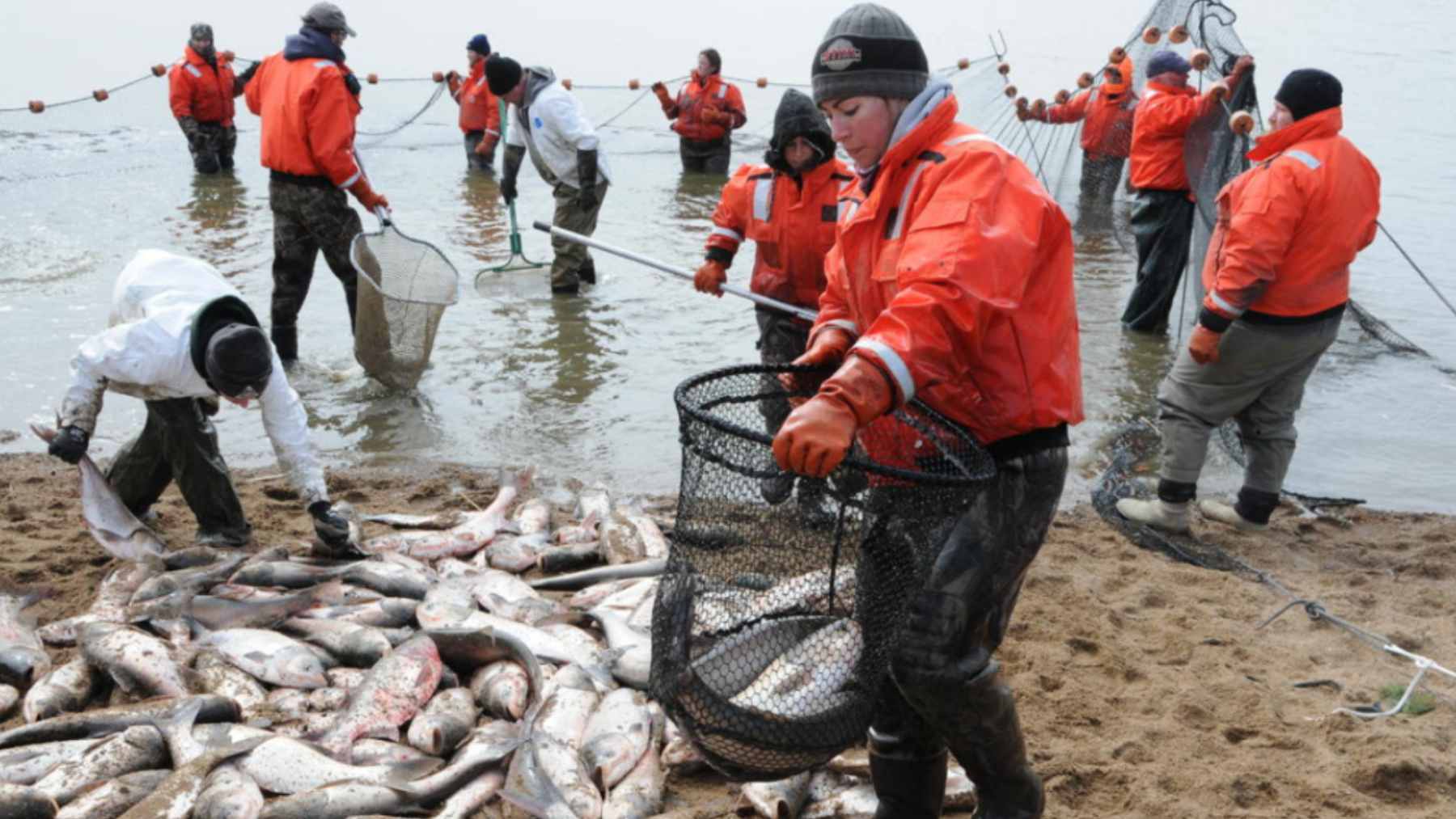
Over the past four years, crews on the Kansas River have hauled an estimated 109,000 pounds of invasive Asian carp out of the water. 2025 was the biggest push so far, with 36,863 pounds removed from the river.
For a waterway that supplies drinking water to more than 800,000 people and draws weekend paddlers, anglers and birdwatchers, that is not just a statistic, it is a sign that the ecosystem is getting some relief.
According to the Kansas Department of Wildlife and Parks, the removal campaign targets three invaders already well established in Kansas waters, silver, bighead and black carp.
These fish were originally imported from Asia in the 1970s for aquaculture and later escaped into Midwestern rivers, where they spread quickly and competed with native species for food and space.
“These removal efforts appear to have produced positive effects in Kansas waterways and for native species,” said invasive carp biologist Liam Odell.
Why these carp matter
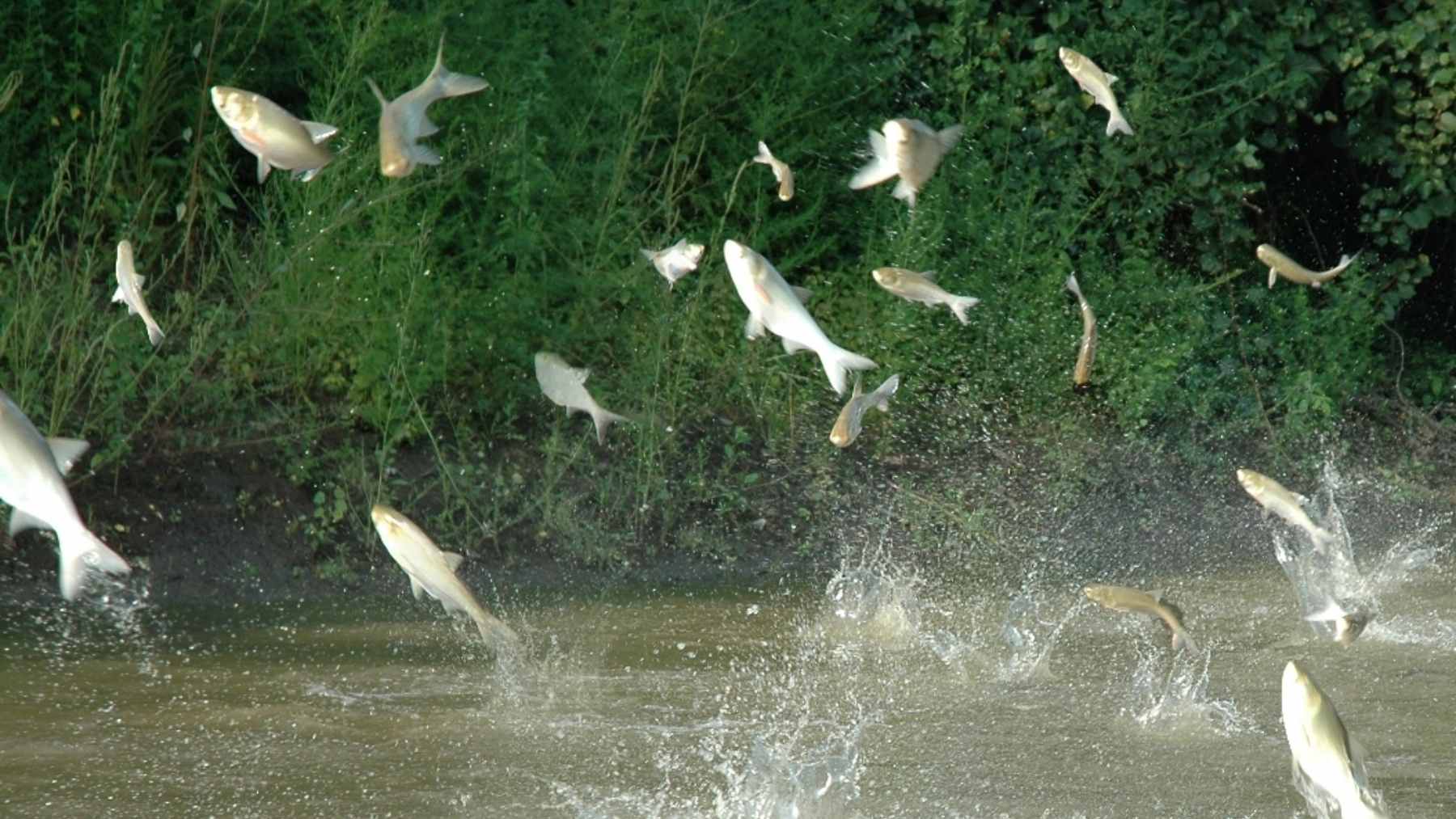
Invasive carp are more than a curiosity for boaters who have seen videos of fish flying out of the water. Federal scientists describe them as fast-growing, heavy feeders that can strip plankton from the food web and crowd out sport fish.
Silver carp are notorious for leaping when startled by boat motors, while bighead carp can top 100 pounds and pose a real risk to people on the water.
How Kansas is fighting back
To push carp numbers down, Kansas crews rely on a mix of traditional and newer tools. Electrofishing boats and gill nets are still essential, but biologists now also use an electrified dozer trawl that stuns carp and guides them into nets as boats move through problem areas.
In 2025 the team extended its focused work another 15 miles downstream, and the Bowersock Dam at Lawrence continues to help block upstream movement.
Part of a bigger river story
The Kansas River project is part of a wider effort across the Mississippi River basin to keep invasive carp in check. In August 2025 the United States Fish and Wildlife Service awarded nearly $19 million to 18 states for projects that support mass removal, deterrent technologies and close monitoring of rivers and reservoirs. At the national level, targeted harvests like the Kansas operation are seen as one of the clearest ways to slow the spread.
What comes next?
Still, experts caution that pulling 100,000 pounds of fish out of a river is only a start. Invasive carp reproduce quickly, and managers expect years of continued work before they can say the threat is mostly under control.
Officials are asking anglers and boaters to help by never returning invasive carp to the water and by reporting any new sightings.
The press release was published by the U.S. Fish and Wildlife Service.