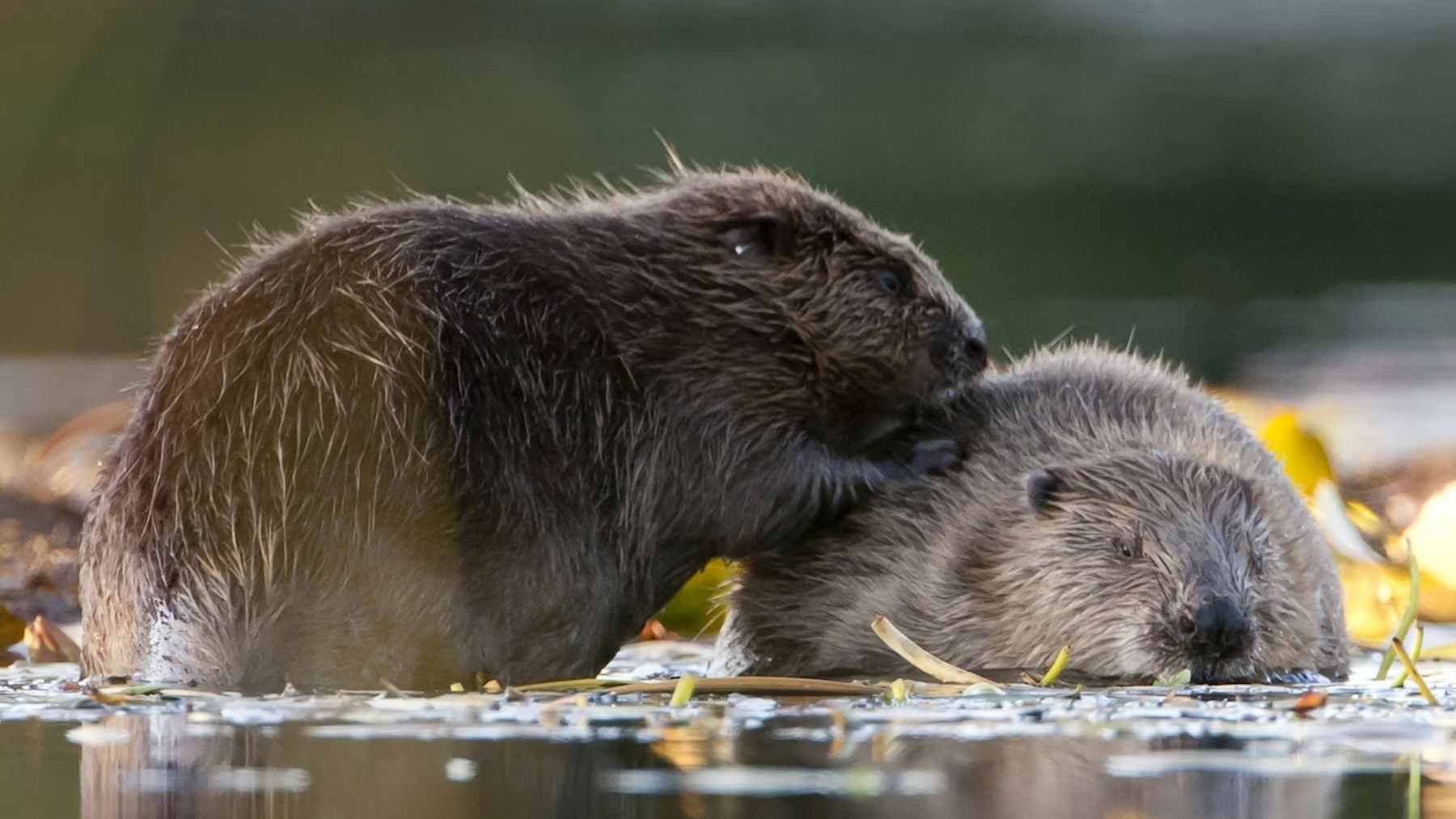
A quiet stretch of river in eastern England has suddenly become the center of attention. Trail cameras have captured a wild beaver along the Little Ouse River, the first time locals have seen the species in this region in about 400 years. For people who know this waterway as a calm place for walks and fishing, the idea of a beaver slipping through at night feels almost unreal.
The footage was recorded on November 2 along the Little Ouse between Thelnetham in Suffolk and Garboldisham in Norfolk. Remote cameras set up by the Little Ouse Headwaters Project were originally meant to keep an eye on otters.
Instead, they filmed a beaver swimming and feeding along the riverbank, shortly after another wild beaver was spotted near Fakenham in Norfolk, hinting at a slow return of the species to eastern England.
A surprise visitor on the Little Ouse River
The Little Ouse Headwaters Project had placed cameras along the river to watch how wildlife uses the waterway. When the beaver appeared in the videos, conservation volunteers realized they were looking at an animal that had been missing from this part of the country for centuries. To a large extent, it turned a routine monitoring effort into a landmark moment for local nature.
Reg Langson, a founding member of the Little Ouse Headwaters Project, said the animal has continued to show up on camera over the past month. He explained that “the beaver has left some feeding signs along the river which are quite clear.” He added that the team has seen it start under a willow tree and then use more of the river, and admitted “we are wondering whether it is wandering along the river and if it will just move on. We have no idea whatsoever.”
What the beaver might mean for local nature
Beavers are large, plant‑eating rodents known for cutting small trees and shaping rivers as they feed and build. Their activity can slow water, create pools, and offer new shelter for fish, birds, and insects.
In practical terms, that means one animal can gradually reshape a stretch of river, even if most people never see it in daylight.
Elsewhere in the United Kingdom, the government has approved wider beaver reintroductions earlier this year under managed programs. Supporters say these projects can help restore wetlands and boost biodiversity, while critics worry about possible damage to farmland and flood banks. At the end of the day, what this lone beaver will do on the Little Ouse is still an open question, which is why experts are watching so closely.
Trail cameras and silent wildlife monitoring
Trail cameras like the ones along the Little Ouse have become key tools for conservation groups and researchers. These small, weatherproof devices sit quietly by the water and trigger when an animal passes in front of them.
They allow experts to monitor rare or returning species without disturbance, while giving communities clear, time‑stamped proof of what lives in their local landscapes.
Similar technology has offered rare insights in other countries. In the United States, trail cameras have captured clear footage of a Canada lynx in places where sightings are normally very uncommon, helping scientists confirm that the elusive cat still uses those forests. In other regions, remote cameras have even recorded young animals such as wolverine cubs, which gives researchers important clues about breeding and population health.
Residents react to a “beautiful beaver”
Five cameras are now watching the Little Ouse River as conservationists try to understand whether this beaver is just passing through or starting to settle. They also hope to learn where it came from, especially as beavers are being reintroduced in other parts of the country under official licenses. For the most part, it shows how policy decisions and local rivers are starting to connect in very real ways.
BBC Suffolk shared the sighting on Facebook, and the comments captured the mood. One user wrote, “How wonderful it is.” Another person added a hopeful note, saying “I hope and pray this beautiful beaver is left alone in peace and quiet.” Those short reactions echo a wider feeling that, if this animal is allowed to stay, it could signal a small but meaningful comeback for wildlife in a landscape where it vanished long ago.