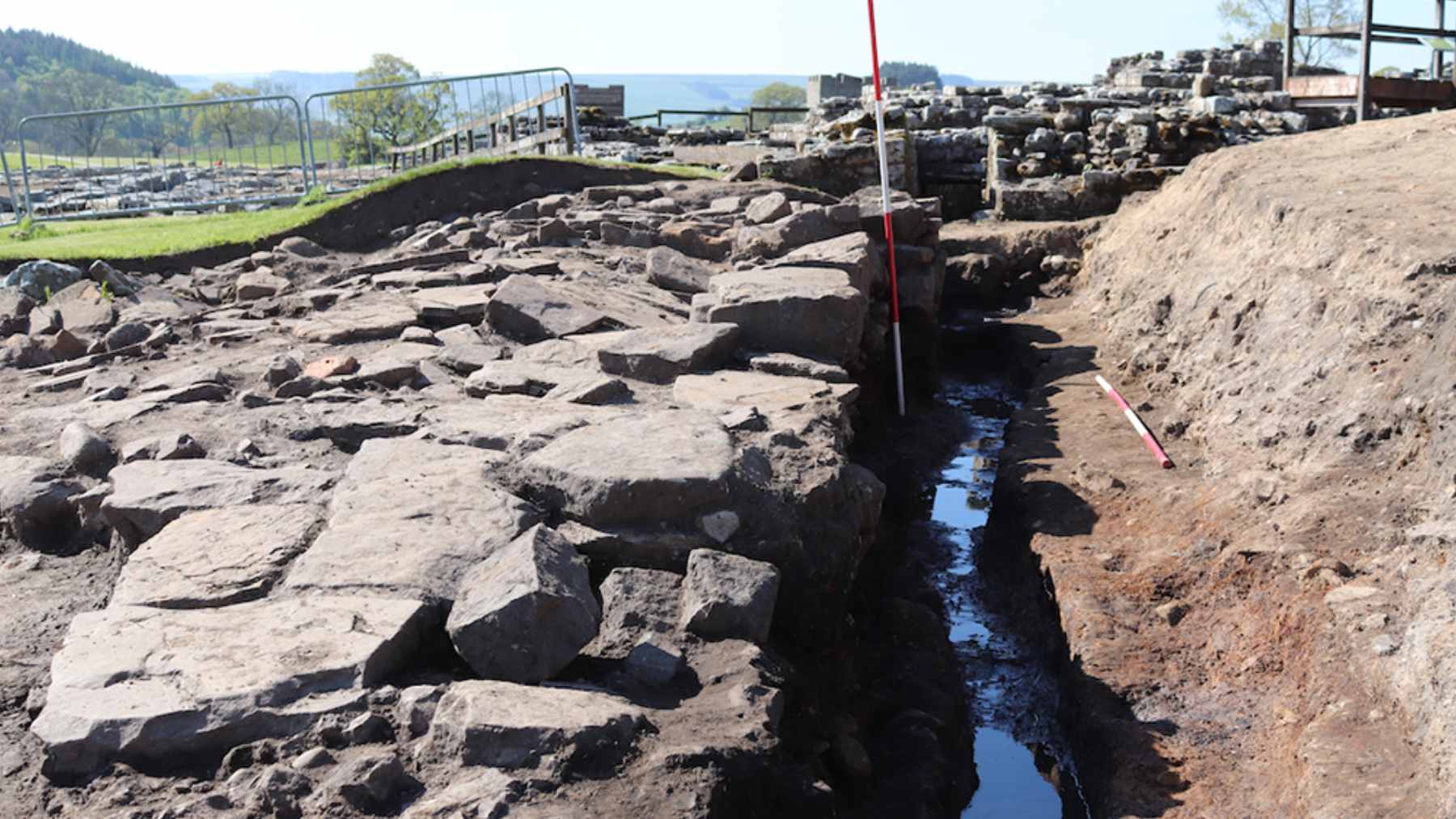
A millionaire property developer in southern England has been ordered to pay £20,000 after cutting down 28 trees on a protected clifftop and digging in foundations for a luxury pool house. Judges upheld the civil penalty against Bill Buckler after investigators found his building work had caused permanent damage to Poole Bay Cliffs, a coastal site protected for its rare wildlife and ancient rock layers.
Natural England, the government body that regulates protected nature sites, had originally signed off on the tree felling as a conservation measure to reduce erosion and help rare sand lizards. What happened next has turned into a warning for anyone dreaming of pushing a coastal development a little closer to that postcard sea view.
From conservation green light to clifftop pool house
In February 2021, Natural England gave Buckler permission to remove 28 trees on the steep slope at the end of his garden in the Canford Cliffs area of Poole. He said the work was meant to protect the cliff from erosion and make the habitat better for sand lizards, a shy reptile listed as a protected species in Britain.
Once the trees were gone, neighbors watched a very different project take shape on the bare cliff edge, including a modern garden pod and plans for an infinity pool overlooking the sea. By early 2022, reports of unapproved excavation reached Natural England, and site visits in May and September confirmed that heavy groundwork for a 60-foot-wide garden room had gone ahead without the required permissions.
Investigators said Buckler dug deeply into the cliff to install underground concrete pillars for the glass-fronted room, complete with a rooftop viewing platform and balcony. Despite written warnings to pause construction, excavation continued into 2023 until local planning officers arrived on site and told workers to stop immediately.
What makes Poole Bay Cliffs so sensitive
Poole Bay Cliffs is officially designated as a Site of Special Scientific Interest, or SSSI, which is the main way England protects places that are important for wildlife or geology. In simple terms, it means any work that might harm the rocks, plants, or animals there needs extra scrutiny and formal approval.
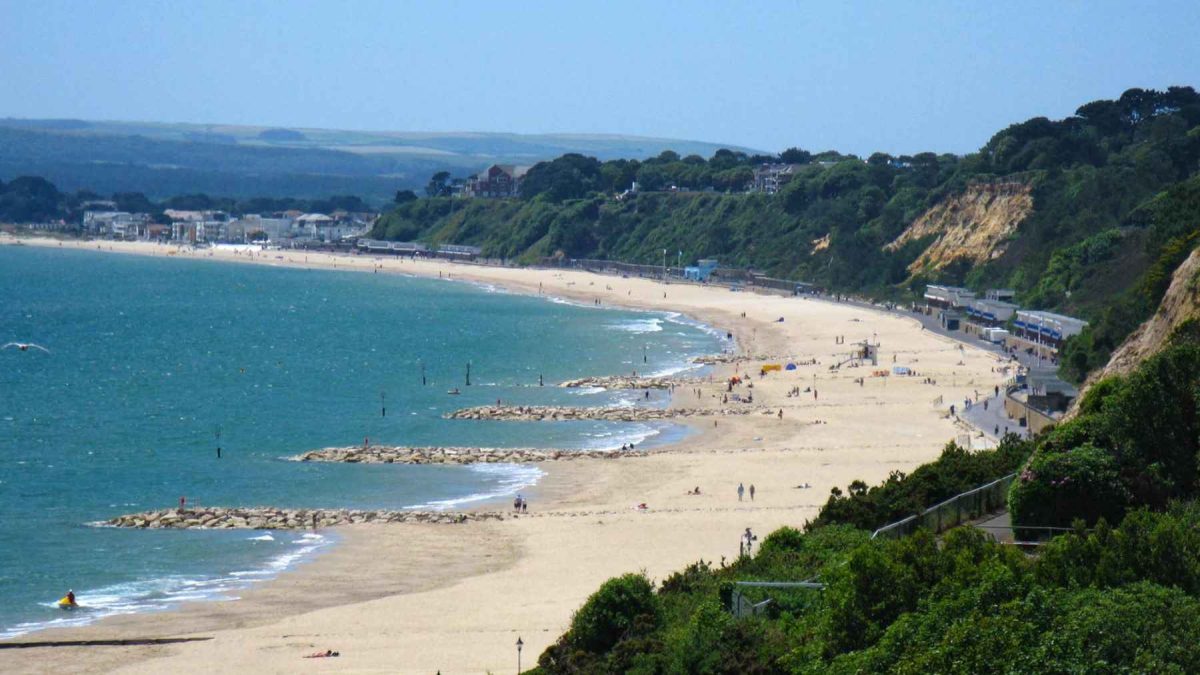
Along this stretch of coast, the cliffs hold layered rock, sand, and fossilized plants that tell the story of how southern England looked thousands of years ago, when the Isle of Purbeck and the Isle of Wight formed a single landmass.
The sandy slopes and scrub also support sand lizards that need sunny, undisturbed patches to bask and hide, so removing trees and reshaping the ground can chip away at the habitat they rely on.
Nick Squirrel, a senior specialist at Natural England, told the tribunal that the piling and excavation works on Buckler’s land have left geological features on the protected strip of cliff “permanently damaged” and beyond realistic repair. He warned that ripping out the concrete now could destabilize the cliff and put people using the promenade and beach huts below at risk.
Judges uphold the £20,000 environmental fine
To respond to the damage, Natural England used its civil sanction powers under the Wildlife and Countryside Act, issuing a variable monetary penalty of £8,812 in March 2025 along with an enforcement costs notice for £11,187. Together, those sums bring Buckler’s bill to about £20,000.
Buckler argued in his appeal that the penalty was “disproportionate and manifestly excessive” and said he had been open and cooperative throughout the process. A panel led by Judge Anthony Snelson disagreed and described the appeal as “notably free of merit”, backing Natural England’s view that the damage was serious and the fine was appropriate.
Tribunal documents note that Buckler is an experienced developer heading a £10 million project to replace the original 1960s bungalow on the site with four luxury homes. The judges found he had the knowledge and resources to seek proper advice yet chose to carry out major coastal engineering work before securing environmental or planning consent.
Why the cliff cannot simply be put back
On paper, ordering someone to reverse illegal work might sound like the obvious fix. In this case, Natural England told the court that pulling out the buried pillars and concrete could cause even larger landslides and damage lower rock layers that are still intact.
The agency has already recorded slumps and slips along nearby Bournemouth cliffs in recent years and wants new buildings kept well back from the edge to protect both nature and public safety. Leaving the structure in place, while accepting the loss of the damaged section, is seen as the least bad option compared with triggering a wider collapse onto the well-used beach below.
For people who stroll that beach on a summer evening or sit in the cliffside huts on a windy day, the case lifts the curtain on the hidden engineering that keeps those slopes standing. It also shows how quickly a private home project can turn into a public safety problem once heavy machinery starts cutting into fragile ground.
What this means for future coastal developments
Environmental specialists say the outcome sends a clear signal that civil fines for damaging protected sites will not be easily knocked down on appeal. The tribunal gave weight to Natural England’s enforcement guidance, which is designed in part to make sure that breaking the rules is more expensive than following them.
For property owners, the story is a reminder that permissions labeled as conservation are tightly tied to the specific work described, not a blank check for follow on projects. At the end of the day, trying to stretch a green light into a shortcut for a sea view upgrade can end up costing far more than the planning process itself.
Coastal councils and regulators are likely to cite the Poole case when they push back against clifftop construction that creeps toward the edge as storms and erosion intensify.
Experts warn that, for the most part, the safest policy on these soft, unstable cliffs is to keep heavy structures set back, keep vegetation cover in place, and treat Sites of Special Scientific Interest as genuinely off limits rather than as obstacles to be negotiated.
The main official decision has been published as the Buckler v Natural England judgment by the First-tier Tribunal (General Regulatory Chamber).