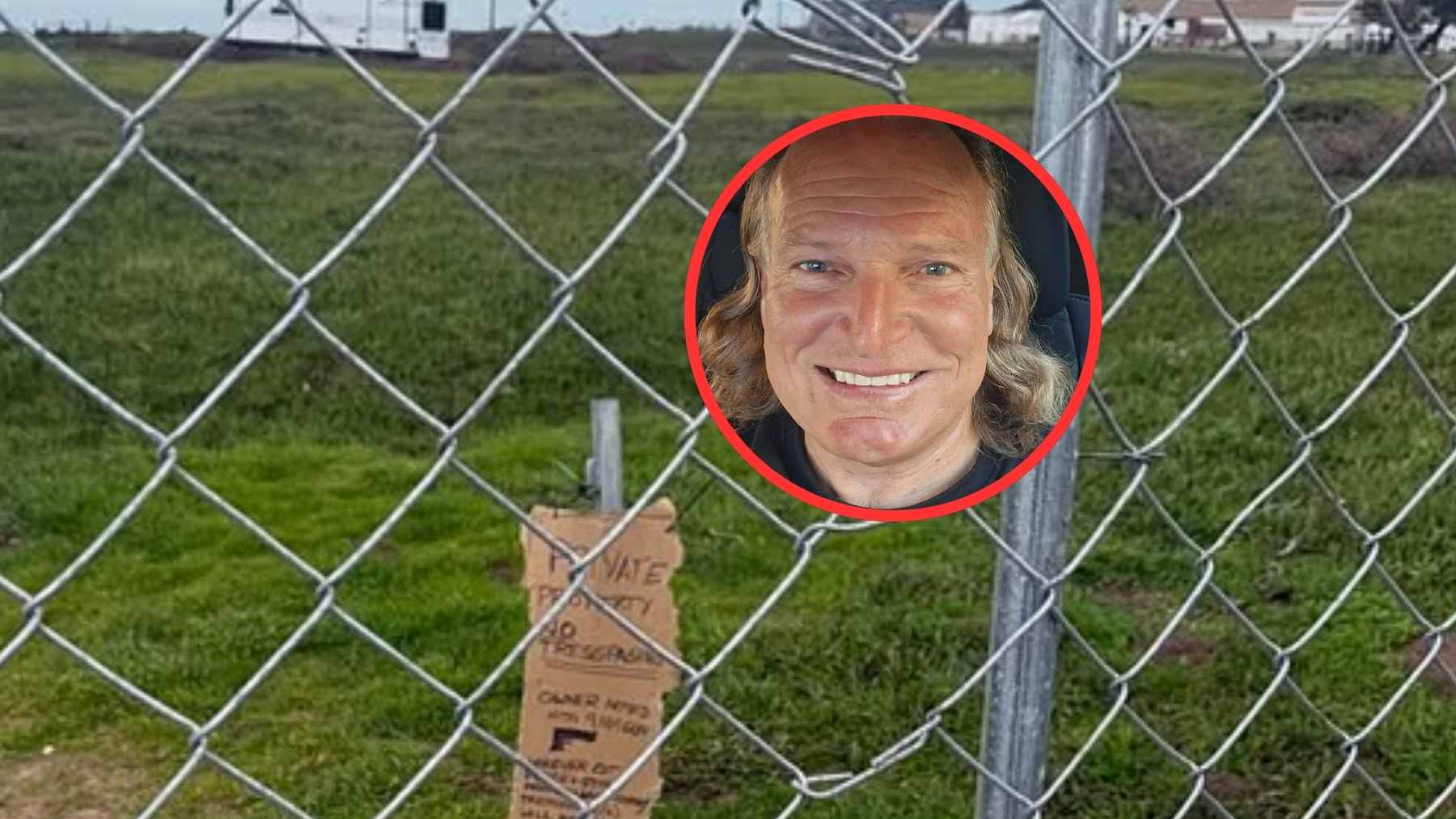
A federal judge has ordered the arrest of Luke Brugnara, the man authorities say put up a chain link fence and warning sign that blocked a well-loved path to Thornton State Beach in Daly City.
Federal prosecutors want his bond revoked in a separate case where he faces nine counts of wire fraud and three counts of money laundering tied to pandemic relief loans, arguing that he now poses a danger to the community. A pretrial services official told the court he may be in a “downward spiral.”
Pandemic relief fraud charges complicate case
Brugnara has been out on bond while awaiting trial in that financial case. Prosecutors say his recent arrest near the fence, along with a reported failure to appear in court, is part of a pattern that includes past escape attempts and supervised release violations.
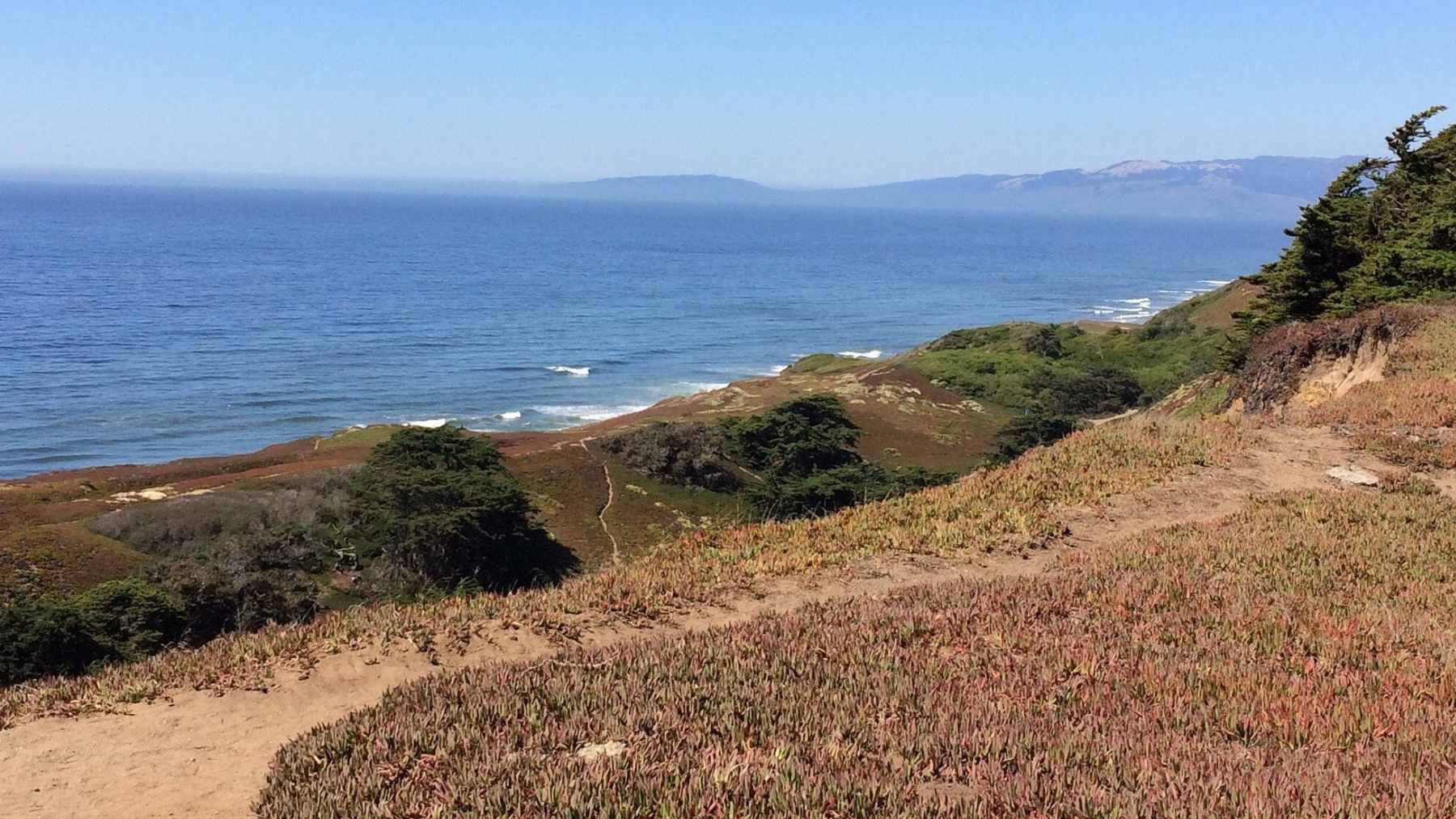
The fence itself has become a symbol of a larger fight over who really controls California’s shoreline. The structure went up without local permits and appears to extend into public right of way, blocking a trail that residents and visitors have used for decades to reach the bluffs and beach.
City officials have opened an enforcement case and say they are moving to have the fence removed, while the California Coastal Commission notes that any barrier on the coastal bluff would need its approval.
Ownership of the land is complicated. Records show multiple family owners, and Brugnara appears to control only a small share, although he insists that gave him the right to fence off the area. Some co-owners say they never agreed and even reported him for trespassing.
Threats and firearm charges raise public safety alarm
Tensions escalated when Brugnara allegedly told a couple near the fence, “If you get near the fence I will shoot and kill you,” leading to his arrest on suspicion of making criminal threats and being a felon in possession of a firearm.
Earlier, a cardboard sign warned that trespassers would be shot, a message that rattled people who just wanted a walk with the dog or a few minutes of ocean air after work. The sign has since been removed.
For the most part, coastal advocates see this case as part of a broader struggle over public access along California’s 58-acre state beach and others like it. They warn that unpermitted gates and fences, even on small parcels, can gradually chip away at rights that exist on paper but vanish at the trailhead.