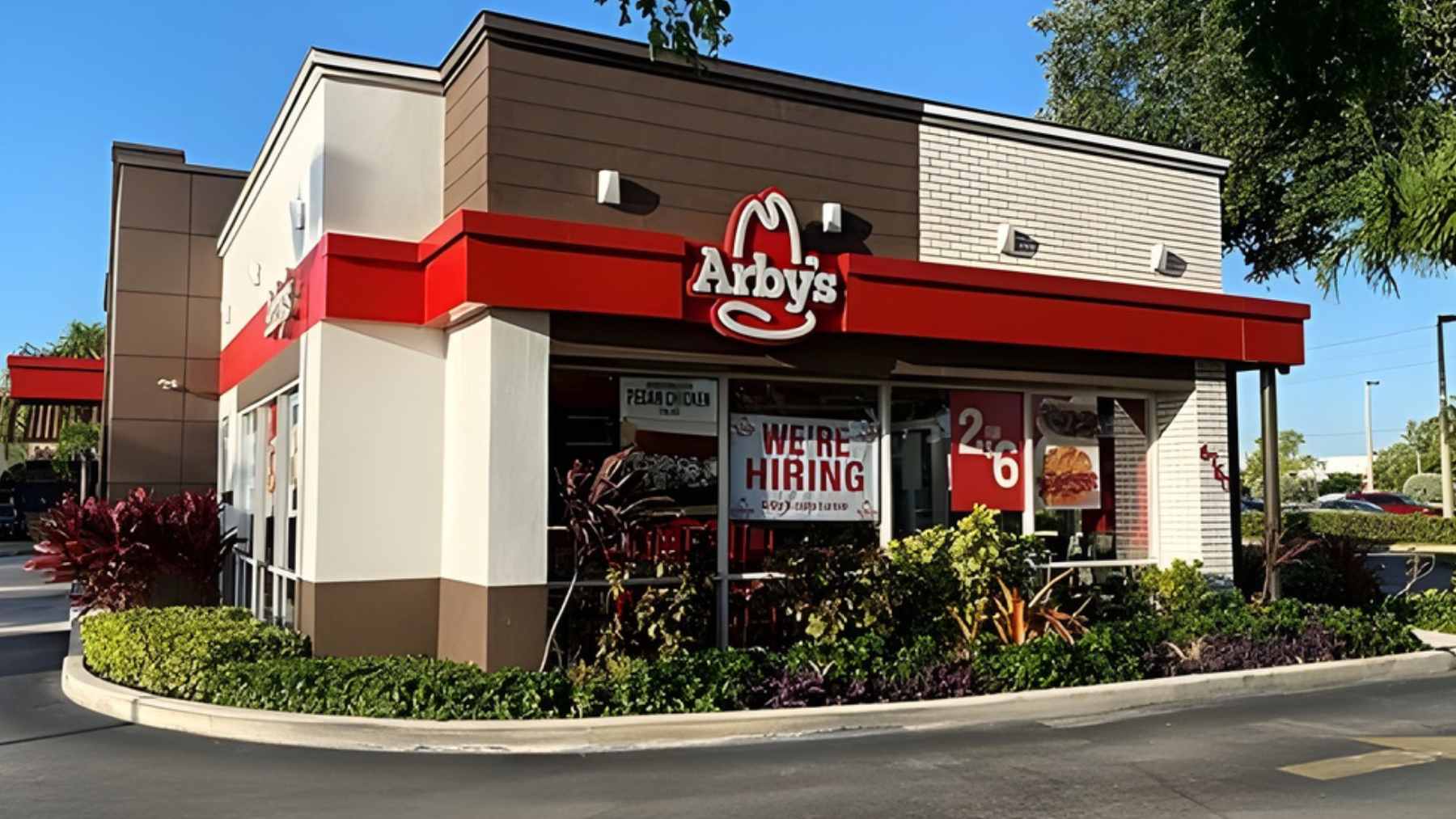
For many Americans, an Arby’s sign has been part of the everyday landscape, glowing above highway exits and suburban strip malls. Now, that glow is fading in more places than usual.
After a tough 2024, the 61-year-old fast food chain has quietly closed dozens of restaurants across the United States, including a net loss of 48 locations last year and at least 14 more permanent shutdowns confirmed in 2025 across eight states.
Arby’s is hardly an unknown brand. Founded in 1964 in Ohio, it grew into one of the country’s largest sandwich chains, famous for roast beef piled high, curly fries, and the familiar “We Have the Meats” slogan. Today it still operates roughly 3,300 restaurants nationwide, with a footprint that stretches well beyond the interstate off-ramp lunch stop.
A legacy brand under real pressure
The numbers behind the closures explain why the roast beef giant is trimming its footprint. Parent company Inspire Brands generated about $29.5 billion in sales in 2024, according to Technomic data reported by Nation’s Restaurant News.
Yet Arby’s was the weak link. The chain’s sales fell 6.3% that year and it ended 2024 with a net loss of 48 restaurants, about 1.4% of its domestic units.
That performance did not happen in a vacuum. Technomic’s broader Top 500 report shows that major American restaurant chains grew sales by only around 3% in 2024, a noticeable slowdown compared with recent years as higher prices met softer traffic.
In plain terms, menu price hikes helped the top line, but fewer people were walking through the door.
If you have looked at your own lunch receipt lately and winced a little, you are part of that story.
Slow, quiet shutdowns from Tennessee to California
The latest round of Arby’s closures has come together in small pieces rather than one big announcement. An analysis cited by The Independent and Newsweek found that in 2025 the chain permanently closed 14 restaurants across eight states, with locations affected in Tennessee, California, Delaware, Florida, Maryland, New Jersey, South Carolina, and Washington.
In practice, that meant specific towns losing long-familiar stores. Murfreesboro joined Cordova, Germantown, and Memphis in Tennessee. Fresno and Victorville shut their doors in California. A long-running restaurant in Talleyville went dark in Delaware, while four Arby’s locations disappeared from the Jacksonville area in Florida.
Laurel in Maryland, Audubon in New Jersey, Pullman in Washington, and North Charleston in South Carolina all saw their local outlets close as well.
Elsewhere, customers in places like Kerrville, Texas, and Baton Rouge, Louisiana, arrived to find handwritten notes in the window, thanking them for their business and confirming that the restaurant was gone for good.
For workers paid by the hour, that meant scrambling to replace a paycheck. For regulars, it meant the drive thru they used after late shifts or kids’ games simply vanished from the neighborhood.
Despite the growing list of closures, Arby’s has not issued a detailed public explanation, according to several outlets that have reached out for comment. That silence has left trade data and local reporting to fill in the picture.
Higher costs, higher prices, and pickier diners
Taken together, those reports point to a familiar trio of pressures. Operators are dealing with rising food and labor costs, higher rents, and customers who are more careful with every dollar.
In California, for example, increases in labor expenses have weighed heavily on fast food locations, while franchise owners in lower-income Tennessee markets have struggled to keep stores profitable once menu prices climbed.
One analysis of Arby’s pricing found that the chain’s menu has become roughly 55% more expensive since 2014, an increase meant to cover those higher operating costs. At the same time, data cited by Allrecipes shows food away from home costs rising about 3.7% year over year and about 62% of Americans saying they ate out less in 2024.
You can feel that tension in a simple way. Fast food used to be the easy answer when the fridge was empty and the family budget was tight. Now, a combo meal for four can edge uncomfortably close to what a casual sit down dinner used to cost.
Not a collapse, but a reshuffle
For the most part, analysts describe Arby’s pullback as steady pressure rather than sudden collapse. The chain still operates more than three thousand locations across the country and even opened new restaurants in select markets in 2025, where local economics remain favorable.
Behind the scenes, ownership is shifting as well. In late 2025, AES Restaurant Group, one of Arby’s largest franchisees, acquired 115 Arby’s restaurants across nine states from Inspire Brands, expanding its portfolio to 344 locations and bringing more than two thousand employees under its umbrella.
Moves like this suggest the brand is concentrating its bets with bigger franchise operators that can absorb tougher conditions.
For workers and diners, the outcome feels more personal than strategic. Some towns have lost what was, for years, a reliable place to grab a quick sandwich after work. In others, employees are left navigating a local job market that may not have many similar openings.
Arby’s story is one snapshot of a larger shift. Inflation, wage policies, and changing expectations about value are all reshaping the kind of fast food landscape many people grew up with. The next question is whether chains can adjust their menus, prices, and store counts in a way that still feels like a good deal when you pull up to the drive thru.