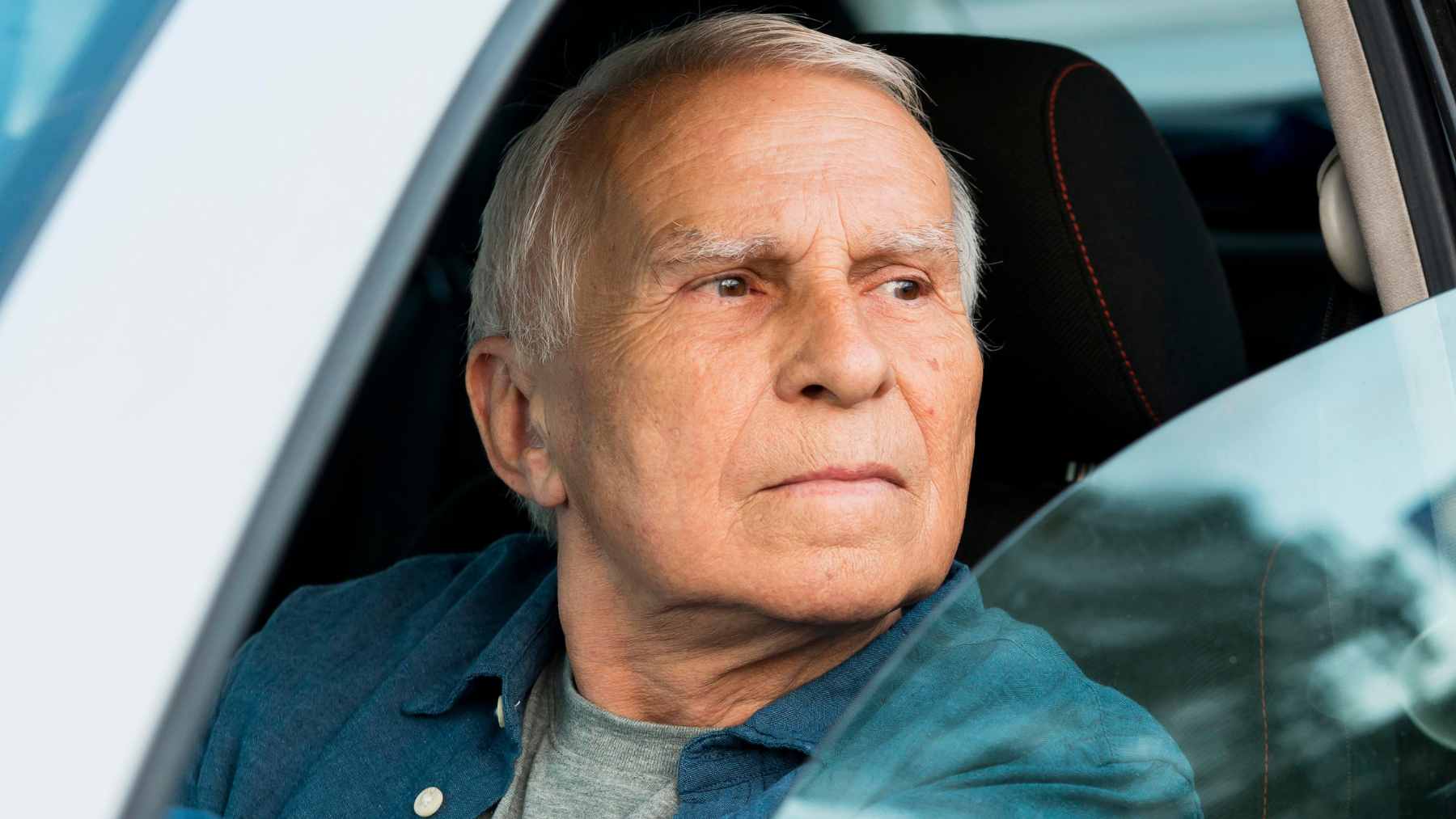
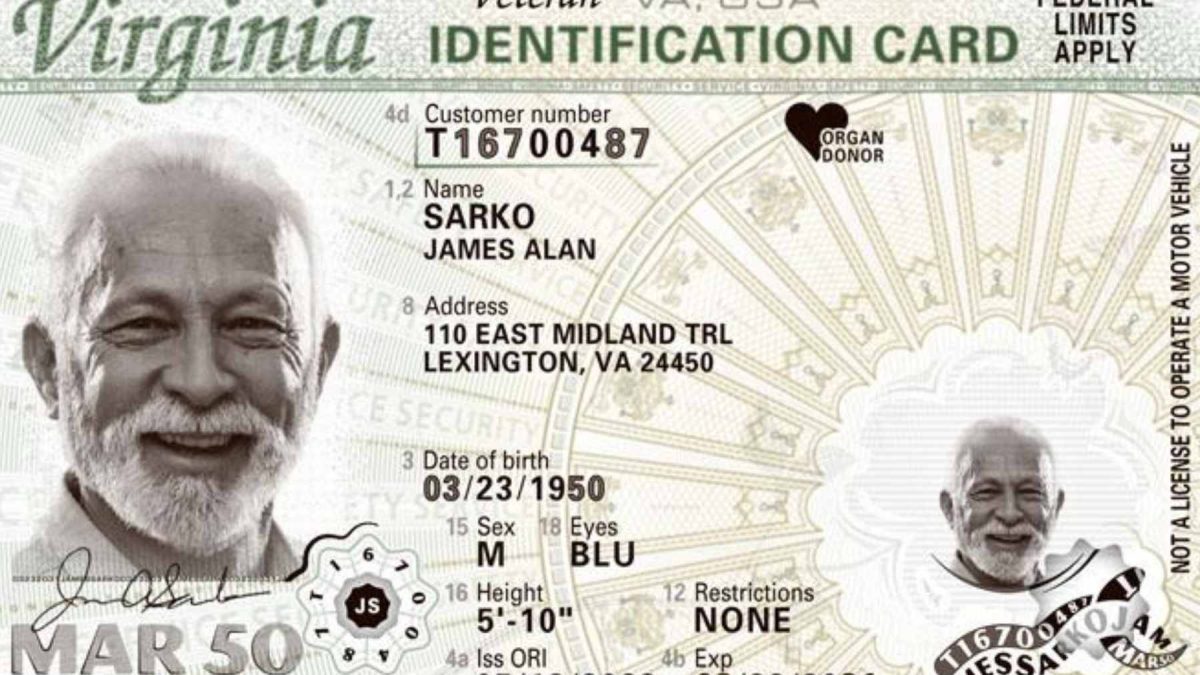
In Virginia, turning 75 now comes with an extra errand that many drivers do not expect. From that birthday on, the state will only renew a driver’s license in person at a Department of Motor Vehicles office, and only after checking that eyesight and basic fitness for the road are still in good shape.
The renewed license also runs for a shorter period, generally five years instead of the eight years most younger adults are used to.
Virginia law limits license length and requires vision screening
State law goes even further and caps any license issued to someone aged 75 or older at five years. In practice, that means more frequent face-to-face contact with the DMV and more regular vision screening.
If a driver fails the test or cannot provide a recent report from an eye specialist, renewal can be refused. For seniors who depend on the car for grocery runs, doctor visits or simply seeing friends, that is not a small detail.
Older drivers and crash-risk trends in the United States
These rules are not brand new, but they are catching more attention as the population ages and more people cross that 75-year threshold each year.
Across the United States, the share of licensed drivers aged 70 and older has risen by about 30% in the last decade, and older motorists now appear in nearly a quarter of fatal crashes involving drivers 65 and above.
What research says about senior driver safety
Safety researchers add an important nuance. Per mile driven, fatal crash rates begin to climb after about age 70 and are highest among the very oldest drivers, yet many studies find that people in their seventies often crash less than inexperienced younger drivers.
The higher death toll has a lot to do with fragility and medical complications, not reckless behavior. That is one reason many experts support in-person renewals for the oldest age groups, which have been linked to lower fatal crash involvement for drivers in their eighties.
Sustainable mobility options and traffic emissions
So where does ecology enter this story about licenses and eye charts? Mobility is a key piece of sustainable living. When older adults can no longer drive safely, communities that only offer long car dependent trips often leave them isolated or push families into more frequent car use.
Investments in accessible public transit, safe sidewalks, electric community shuttles and neighborhood services can soften the blow for seniors who lose their license and at the same time cut traffic emissions and congestion for everyone.
Tips for older adults renewing a license in Virginia
Health agencies encourage older drivers to prepare early. Regular vision checks, honest talks with doctors and family, and refresher driving courses can extend safe driving years and make the DMV visit much less stressful.
At the end of the day, Virginia’s rules are trying to walk a fine line, keeping experienced older drivers on the road when they are safe while nudging others toward alternatives that protect both people and the places where they live.
The official statement was published by the Virginia Department of Motor Vehicles (DMV).