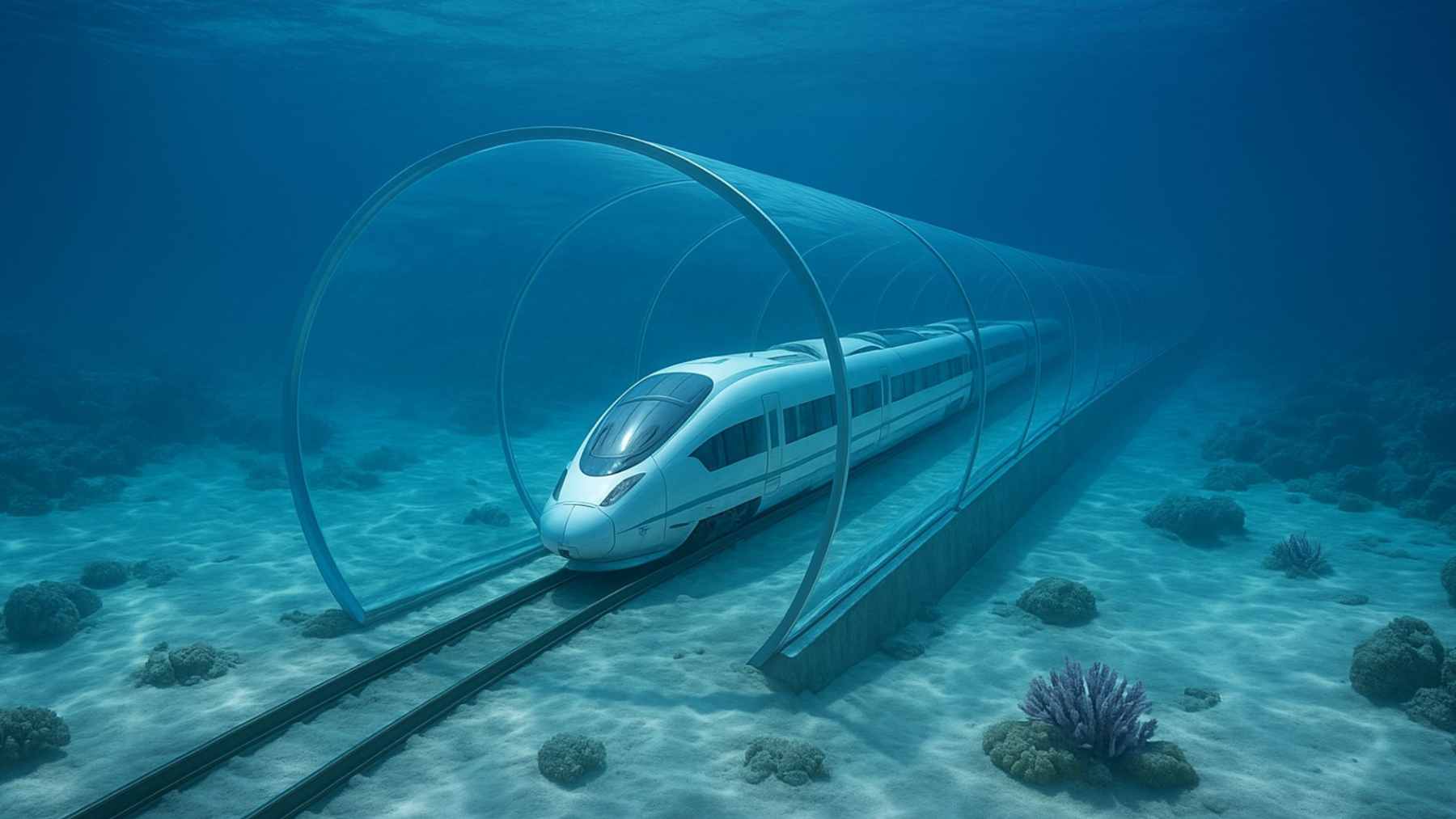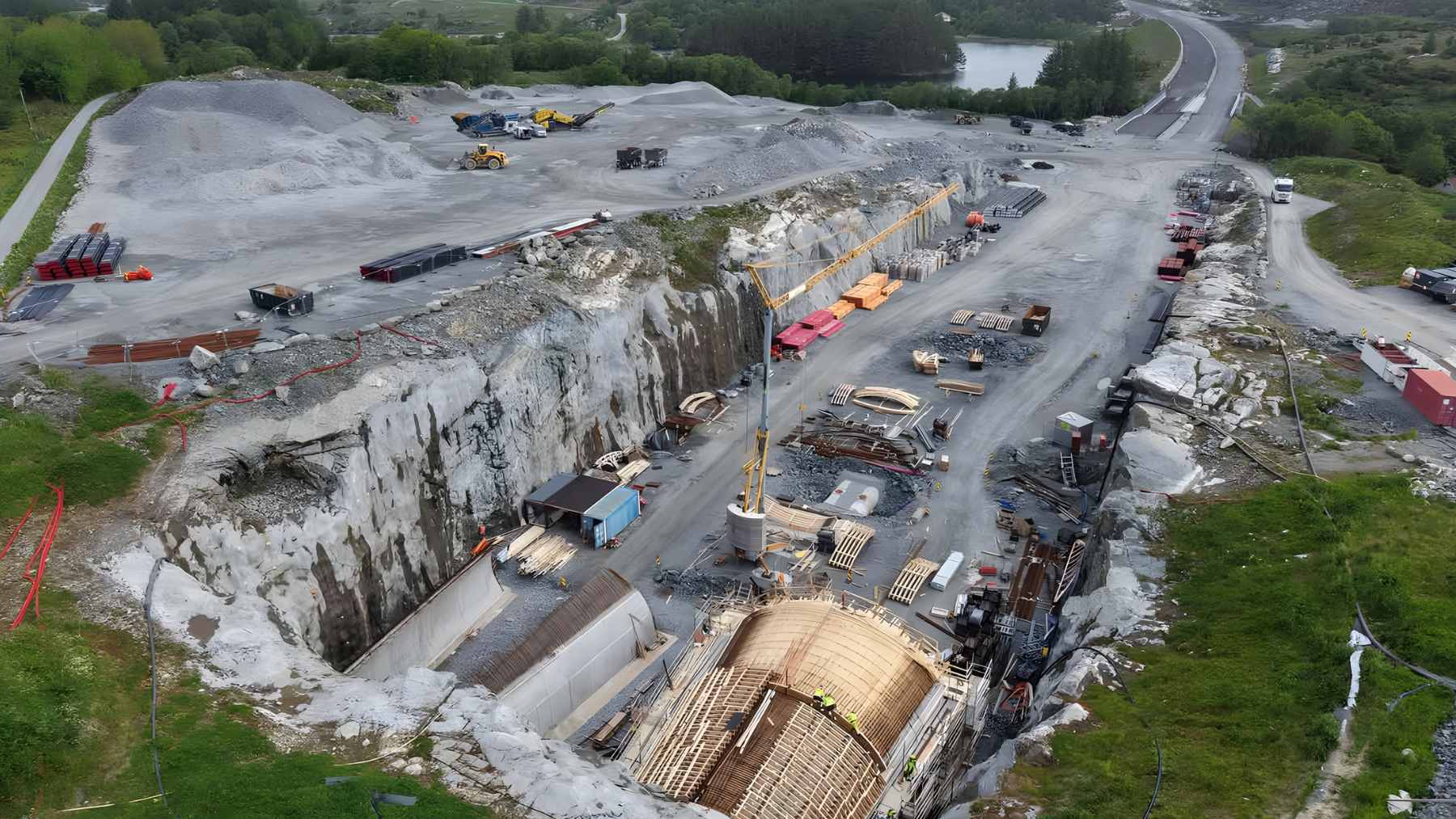
Deep under the cold waters of western Norway, crews are carving a highway that pushes road building close to its limits. Rogfast, a subsea tunnel under Boknafjord in Rogaland, will run about 27 kilometers between Randaberg and Bokn and drop to roughly 392 meters below sea level.
Once finished, this link is expected to become the longest and deepest underwater road tunnel on the planet, forming a key piece of the coastal highway European route E39.
At the end of the day, the goal is simple in practical terms. Replace slow ferry crossings with a fast, all-weather road so drivers and freight trucks are not stuck in long lines every time the wind picks up.
By cutting out the Boknafjord ferry, Rogfast is expected to shorten the trip between Stavanger and Bergen by about forty minutes and help create a continuous, ferry-free corridor between Kristiansand and Trondheim.
Cost and schedule tell part of the story. The project carries an estimated price tag of more than 20.6 billion Norwegian kroner, with some newer estimates placing the total closer to 25 billion, funded by a mix of state money and road tolls.
Construction started in 2018, paused in 2019 because of overruns, then restarted in 2021 and is now running around the clock. The structural work is expected to wrap early in the next decade, with full opening currently planned for 2033.
Drilling a highway through hard rock and hidden faults
So what does it take to drive a road almost four hundred meters under the sea floor? The tunnel is being blasted through ancient gneiss and granite, but crews also encounter fractured zones and softer layers that need constant reinforcement so water and loose rock do not break through.
The method is classic drill and blast, repeated in careful cycles while powerful fans clear fumes before the next round of work.
Engineers expect to remove around ten million cubic meters of rock. Instead of dumping it, much of that material is being reused for other projects and coastal landfills, which limits the need for new quarrying.
Inside the finished tunnel, there will be two separate tubes for one-way traffic with cross passages roughly every 250 meters so people can escape to the other side in an emergency.
An underground interchange about 250 meters below sea level will link to the island municipality of Kvitsøy, complete with roundabouts carved into the bedrock.
Digital eyes on a nonstop megaproject
One of the most striking parts of Rogfast is how digital the worksite has become. The contractor team uses Tunneling Intelligence from Epiroc, a platform that tracks drilling rigs in three dimensions, logs sensor data and sends real-time alarms if something looks off.
In practical terms, that means project managers can see where every machine is, adjust blast plans on the fly and fine tune ventilation so they are not wasting energy pushing more fresh air than needed through a tunnel that deep. It also centralizes emergency procedures, which is crucial when hundreds of workers are spread out far below the surface.
Climate goals and everyday drivers
Rogfast is also framed as a test bed for cleaner infrastructure. Consultancy Norconsult describes the tunnel as a flagship climate-plus-road project that aims to cut emissions during construction and operation, through smarter use of energy, materials and digital monitoring.
For most people, though, the impact will show up in smaller moments. Shorter drives instead of ferry queues in the rain. More reliable delivery times for regional businesses. A coastal job market that feels less chopped up by stretches of water in rough weather.
Traffic forecasts suggest that several thousand vehicles a day could eventually use the tunnel once it opens to paying drivers.
Rogfast will not solve every transport or climate challenge along the North Sea coast, and its budget and timeline will stay under pressure until the first cars finally roll through. Yet to a large extent it points toward how coastal countries may try to stitch together scattered communities while still keeping an eye on emissions and safety.
The official project information was published by Statens vegvesen.