For most of us, an afternoon delivery is simple. You get a ping on your phone, maybe glance outside to see the familiar blue van, and trust that the box on your doorstep is exactly what you ordered. In Iowa, that trust has just taken a serious hit.
According to court records, Madison and Brandon Kelderman of Altoona have pleaded guilty to first degree theft after admitting they kept nearly $58,000 in Amazon customer packages they were supposed to deliver as gig workers in the Amazon Flex program.
Timeline of the Amazon package theft scheme
The couple were arrested in October 2025 after turning themselves in at Polk County Jail. Local reporting indicates they initially entered not-guilty pleas, then changed those pleas to guilty on Friday, January 30 of this year.
The charges stem from a short but intense stretch between August 22 and September 7, 2025, when investigators say the pair simply stopped delivering many of the packages assigned to their Flex routes and kept them instead.
How Amazon and police uncovered the delivery fraud
Police in Ankeny say the investigation began when Amazon loss prevention specialists noticed a jump in undelivered parcels and flagged the pattern. Sgt Trevor McGraw of the Ankeny Police Department has said officers were contacted by the company and given detailed information on the suspected drivers.
When officers searched the couple’s home in suburban Iowa, they reportedly found at least two pallets of undelivered boxes from multiple states stacked at the property.
Iowa penalties for first degree theft and parcel crime
Under Iowa law, first degree theft is a Class C felony. If the judge imposes the maximum penalty, each defendant could face up to ten years in prison along with fines that can reach $13,660.
Sentencing will determine whether the final punishment matches that upper limit, yet the plea alone sends a clear signal about how seriously authorities now treat large-scale delivery theft involving insiders.
For Amazon, the case highlights both a vulnerability and a safety net. Flex drivers use their own vehicles and phones to complete routes, a model that helps the company keep up with soaring e-commerce demand.
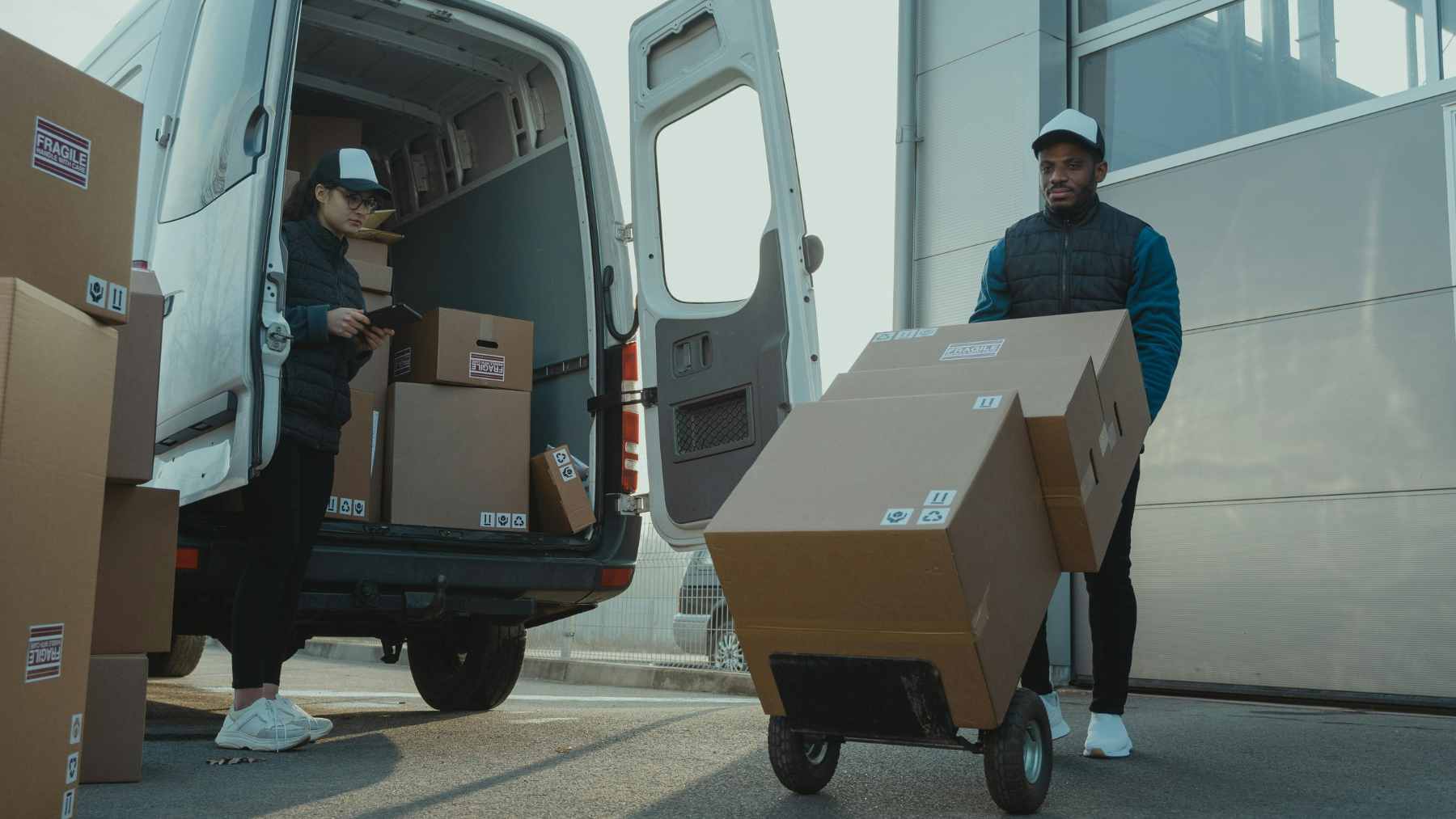
It also means millions of dollars in goods move through the hands of gig workers who are not traditional employees. When something goes wrong, the first sign for the customer is often a missing box on the porch and a rising sense of frustration at the end of a long workday.
At the same time, sophisticated tracking systems are clearly doing some of the heavy lifting. Data on scan events and delivery patterns appear to have helped Amazon flag the suspicious lapse in completed routes, triggering the police report that led to the Keldermans’ arrests and eventual guilty pleas.
Rising porch piracy and package theft across the United States
Zoom out, and this story sits inside a much larger problem. One recent nationwide report estimated more than 104 million packages were stolen from American households in the past year, costing consumers about $15 billion and pushing combined losses for shoppers and retailers to roughly $37 billion.
Another analysis found that about one in four Americans has had at least one package stolen, which keeps porch piracy at the top of the list of everyday crimes people actually experience.
Most thefts involve strangers grabbing boxes off stoops, not drivers trusted to make the delivery. That is exactly why cases like this land with extra force. They chip away at confidence in the system that quietly keeps everything from pet food to prescription refills moving through neighborhoods.
How shoppers and retailers can protect home deliveries
For shoppers, the practical takeaways are familiar yet still useful. Delivery lockers, signature requirements, workplace shipments, and keeping a close eye on tracking updates can all reduce the odds that a package goes missing, whether through a porch thief or a dishonest driver.
For companies, experts say the Kelderman case reinforces the need for tight screening of gig workers and real-time analytics that spot trouble in a route before thousands of dollars in goods disappear.
At the end of the day, the story of two Flex drivers in Altoona is really about the fragile trust built into doorstep delivery. One couple violated that trust. Data trails and local detectives helped restore at least some of it.