Standing in a dealership in Argentina, shoppers are used to watching prices climb every time a new tax or fee appears on the sticker. This time the story is different.
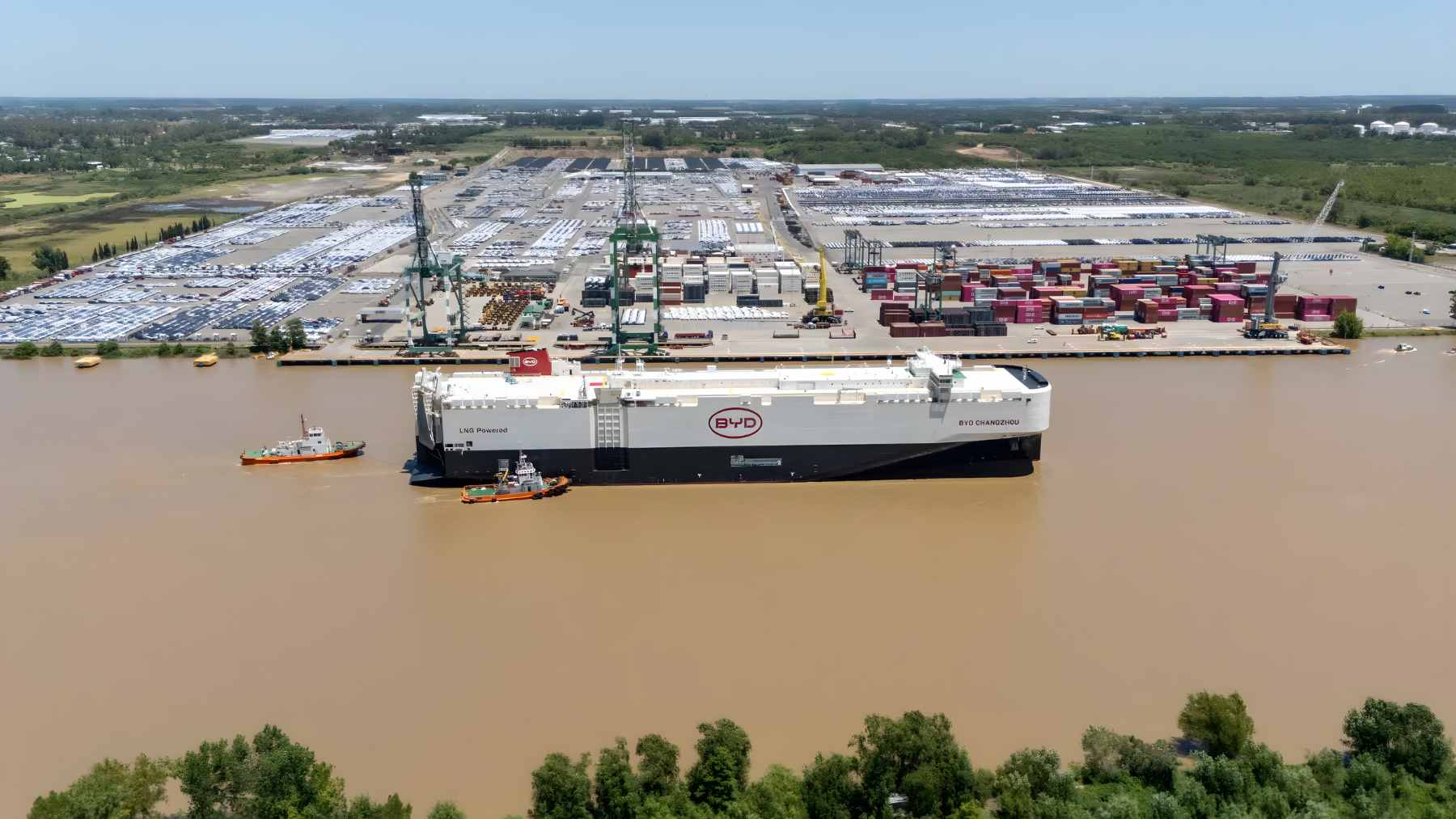
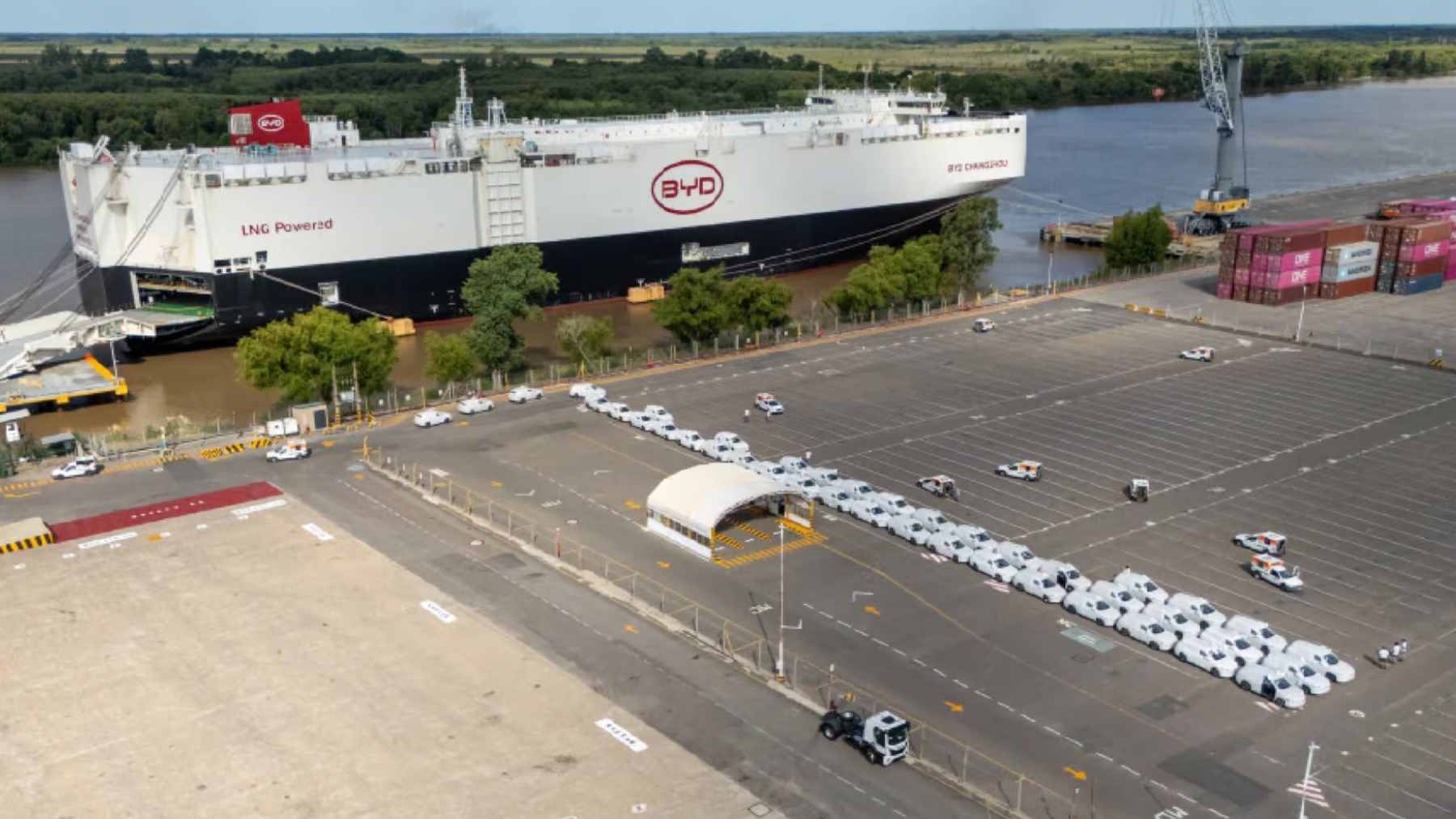
In January, the car carrier BYD Changzhou docked at the port of Zárate with more than five thousand hybrid and electric cars on board, all entering the country without paying the usual 35% import duty.
For the local market, that single arrival is a milestone. It is the first visit by a ship owned directly by Chinese automaker BYD, rather than a chartered vessel, and it is carrying the largest one-time batch of electrified vehicles ever unloaded in the country.
The ship is about 200 meters long, can carry around 7,000 cars per trip, and uses a dual fuel propulsion system that combines liquefied gas with conventional fuel, which cuts emissions compared with older carriers.
How the zero tariff quota really works
The Changzhou’s record load is possible because of a new regime introduced by the government of President Javier Milei. Through Decree 49 of 2025 and later Resolution 513 of 2025, Argentina set a special quota that allows up to 50,000 hybrid and electric vehicles per year to enter with a 0% extra zone import tariff as long as each unit has a factory gate price below $16,000 FOB.
The program covers pure battery electric cars, several kinds of hybrids, and plug in hybrids. For the 2026 round alone, the government received more than 160,000 requests from automakers and importers competing for the 50,000 tax-free slots.
In the end, 71 models from 32 brands were approved, with roughly 19,000 units allocated to companies that assemble vehicles in the country and just over 30,000 to importers.
On paper, the idea is simple. By lifting a heavy tariff on a limited number of lower-priced electrified models, officials hope to narrow the price gap with gasoline cars and give buyers more choice when they walk into a showroom, without completely opening the floodgates to imports.
For anyone comparing monthly payments, that can make the difference between sticking with a small combustion hatchback or taking a chance on a plug in.
One ship, 10% of the yearly quota
The Changzhou’s cargo shows how quickly that quota can move. Local outlets calculate that its 5,000 plus vehicles represent close to 10% of the entire annual tax-free allowance in a single voyage.
Before the ship reached Zárate, market estimates suggested around 15,000 electrified units had already used the special regime since it started, so this one call shifts the numbers in a noticeable way.
It also fits a broader strategy from BYD. The Changzhou is part of a growing company fleet of roll-on roll-off carriers that allows the firm to move thousands of cars at a time without paying outside shipping companies.
In other regions, sister ships have already delivered large batches of vehicles to Europe, Brazil and Turkey, while BYD has added even larger vessels such as the BYD Shenzhen, which can transport around 9,200 cars on a single trip.
For a manufacturer that now competes head to head with Tesla in global sales, owning the logistics chain at sea is one more way to keep costs under control.
Relief for buyers, tension for factories
For drivers tired of outdated models and high prices, more competition at the entry level of the electric and hybrid segment is welcome news.
The official communication that launched the 2026 quota stresses that these 71 new models are expected to compete in every segment with traditional cars, often at more competitive prices or with better equipment, and that the policy is meant to plug Argentina into global value chains around new mobility technologies.
Inside the auto industry, the mood is more complicated. As the Changzhou tied up in Zárate, national media highlighted that the shipment arrived at a time when local plants are cutting shifts and suspending staff.
Opposition lawmaker Miguel Ángel Pichetto called the wave of Chinese imports a loss of dollars that destroys Argentine jobs, pointing to what he describes as unfair competition from a heavily supported industry.
Economy minister Luis Caputo has defended the program, reminding critics that it was negotiated with automakers, that the annual cap remains at 50,000 units, and that no more than half of that quota can come from China.
According to his figures, the imported electrified vehicles covered by the regime accounted for less than 5% of new registrations in 2025, which he argues limits the damage to domestic production while still helping consumers.
A glimpse of the road ahead
To a large extent, the Changzhou’s arrival is a preview of what the next few years could look like. If the zero tariff regime runs through 2029 as planned, up to a quarter of a million hybrid and electric cars could reach Argentine streets under this special framework.
Whether that ends up accelerating a local shift to cleaner mobility or deepening the crisis in domestic plants will depend on how quickly manufacturers adapt, how the grid keeps up with charging needs, and how long the government maintains the current balance between protection and openness.
For now, one thing is clear. A single Chinese ship has turned abstract policy into something very concrete, visible from the riverbank and soon in traffic jams across the country.
The official statement was published on Presidencia de la Nación.