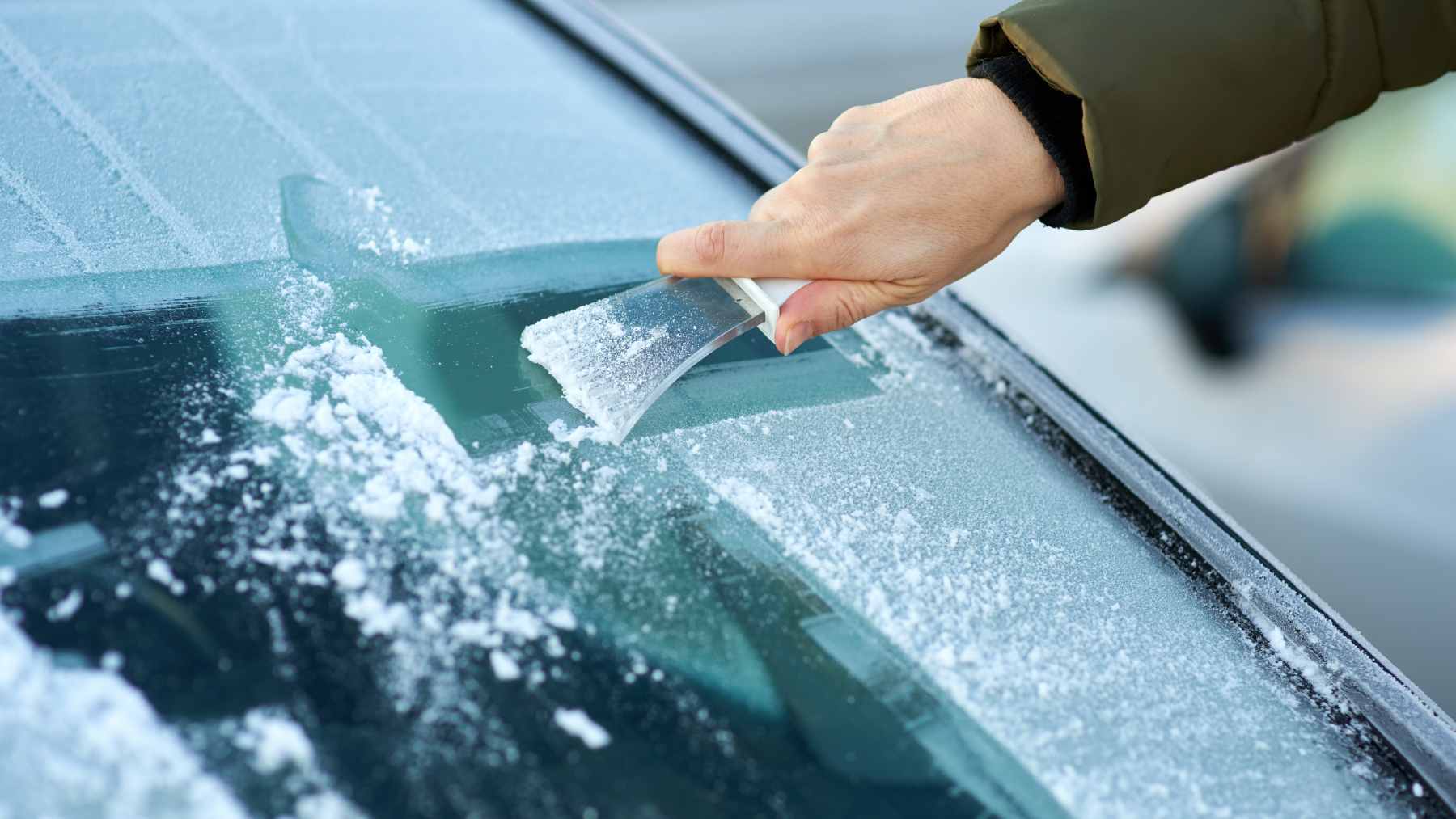
On dark winter mornings, there are few things more annoying than realizing you need an extra ten minutes to battle ice on your windshield before work. Cold hands, frozen scraper, clock ticking.
The good news is that car safety experts say you can avoid a lot of that hassle with a few simple, low cost tricks that rely mostly on household items rather than chemical-heavy sprays.
Homemade de-icer spray with vinegar
At the heart of the advice is a homemade deicer. Specialists at tire brand Barum recommend filling a spray bottle with a vinegar solution, typically three parts vinegar to one part water, and misting it over your windshield and windows before temperatures drop at night.
Vinegar contains acetic acid, which lowers the freezing point of water, so thin frost has a harder time forming on the glass.
Timing matters. The spray works best when you apply it in the evening on dry glass, then let it sit, rather than rushing out in the morning and trying to fix thick, hardened ice. Experts also suggest keeping the bottle indoors so the mixture stays warmer and more effective instead of chilling in the car overnight.
If the cold really plunges, you might still see some ice, so it is worth keeping a plastic scraper in the glovebox just in case.

Windshield covers, mirror protection, and smart parking
If you do not have a commercial frost cover, simple fabric can stand in. Barum’s guidance notes that a towel, piece of carpet, cardboard or even a shower curtain laid over the windshield can block moisture and frost from settling directly on the glass.
In the morning, you peel the frozen sheet away and often find a mostly clear windshield underneath. For side mirrors, a basic plastic bag held in place with a rubber band means only the bag freezes, not the mirror itself.
Parking strategy can help too. Pointing the front of the car toward the east lets the rising sun work for you, gently warming and loosening any light frost if you leave after sunrise and there are no buildings or trees in the way.
It is a small change in where you park that can save a few precious minutes when you are already running late.
One warning comes through clearly from multiple motoring experts. “Don’t ever use boiling water on cold car windows.” The rapid temperature change can stress the glass and, particularly if there are existing chips, lead to cracks or even shattering.
Organizations such as the AA and AAA echo that advice, noting that even very warm water can trigger thermal shock in extreme cold.
Fast de icing tips for drivers in a hurry
For drivers who still wake up to ice, the same homemade mixtures can help on the spot. A vinegar spray or an alcohol-based solution loosens a thin layer of frost so a scraper or wipers can clear it faster, and adding a modest amount of rubbing alcohol to standard washer fluid helps keep it flowing in winter conditions.
In the end, staying a step ahead of the frost is mostly about habits. A minute with a spray bottle or a towel the night before can mean skipping that cold, frustrating scraping session in the morning and starting your commute with clear glass and a clearer head.
The advisory was published by Barum Tyres.