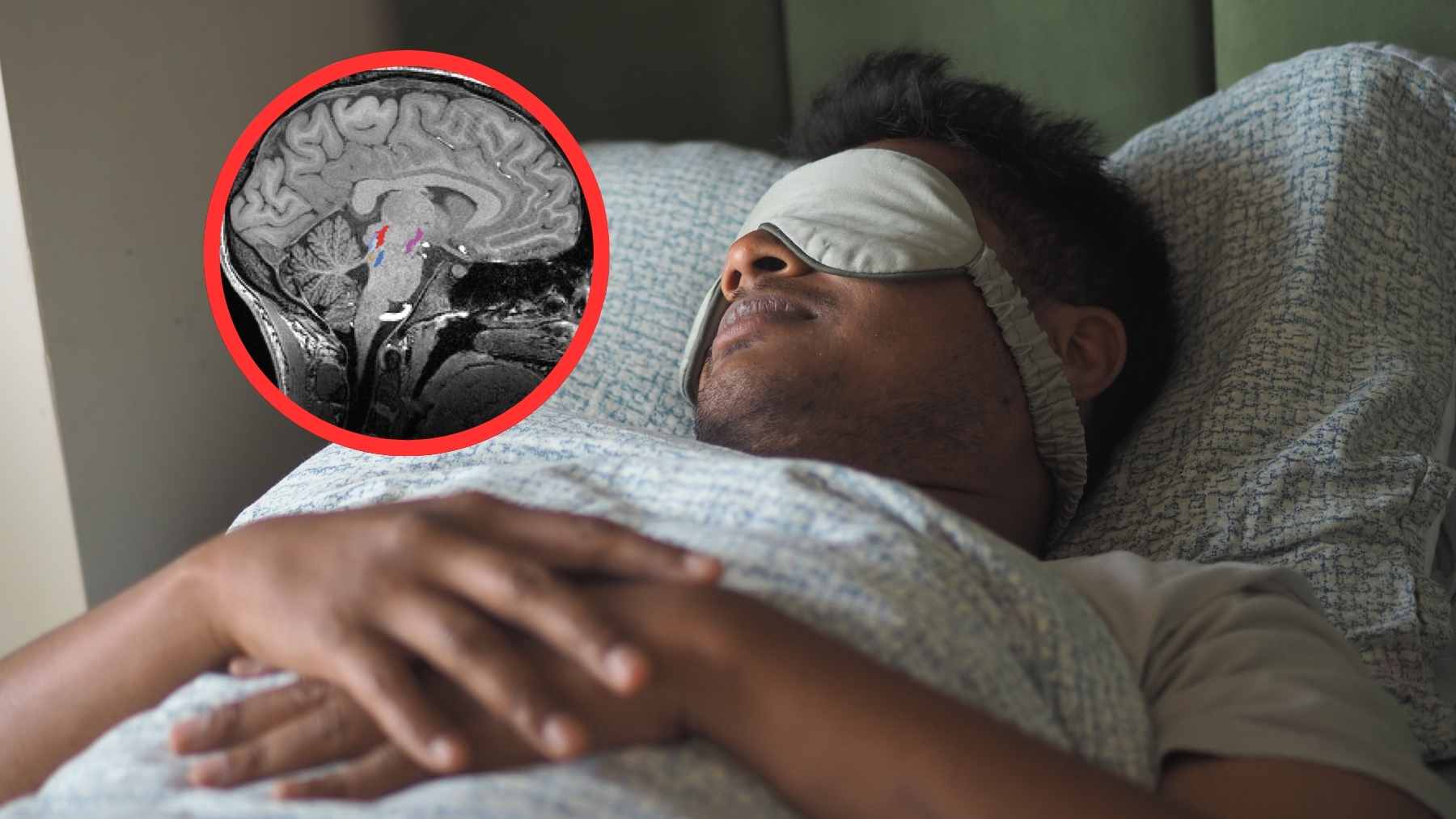
Do you brag that you fall asleep the moment your head hits the pillow? For neurologist Conrado Estol, that is not a party trick. It is a warning sign. He argues that nodding off in under five minutes, night after night, points to a brain running on fumes rather than a body blessed with a special gift.
In a recent analysis he highlights something many of us feel in our bones on Monday mornings. Almost four in ten people are not getting the rest they need, even if they swear they are “fine” on a few hours and a strong coffee.
Why nodding off in seconds can be a red flag
Falling asleep is not supposed to be like flipping a switch. Estol notes that most healthy adults take around ten to fifteen minutes to drift off. During that short window the brain eases from wakefulness into lighter sleep.
If you are out cold almost instantly, night after night, it often means the brain is seizing any chance to repay a chronic sleep debt.
He puts it bluntly. According to his analysis, “if someone falls asleep in less than five minutes, it is not a superpower, it is a sign of chronic sleep deficit.” It might feel convenient when you crash on the couch mid series, but your nervous system is not showing off. It is waving a white flag.
How much sleep your brain really needs
Estol points to large-scale research based on UK Biobank data, which followed close to half a million middle-aged and older adults. That work suggests there is a sweet spot around seven hours of sleep for thinking clearly and keeping the brain in good shape over time.
Performance on memory and reasoning tests peaked at about seven hours. People who regularly slept far less or far more showed worse cognitive scores and less favorable brain scans. Other studies, looking at dementia and stroke risk, have found that sleeping shorter than roughly seven hours or longer than about nine is linked to higher odds of both conditions.
So the old “I only need four hours” line is, for the most part, wishful thinking. At the other end, staying in bed for ten or eleven hours is not a magic anti-aging trick either.
What your brain does while you sleep
Why does that middle range matter so much? Estol reminds readers that sleep is not one uniform block. We cycle through light sleep, deep sleep and REM sleep, and each stage has its own job. During the night the brain consolidates memories, processes emotions and prompts the release of growth hormone that helps repair tissues.
He also highlights the role of the glymphatic system, a kind of cleaning network that flushes out waste proteins from the brain.
Research shows this system is most active during deep, non-REM sleep and helps clear substances such as beta amyloid and tau, both linked to Alzheimer type disease. As we age, deep sleep shrinks, and that may to a large extent encourage those proteins to build up if nightly rest keeps getting cut short.
In simple terms, shortchanging sleep means shortchanging your brain’s night cleaning crew.
Modern habits that sabotage rest
If you look at a typical evening, it is easy to see how this goes wrong. Estol mentions familiar culprits such as chronic stress, late caffeine, alcohol “to unwind” and heavy dinners that keep digestion working overtime while you are trying to drift off.
He also warns about a newer phenomenon he calls orthosomnia, insomnia driven by an obsession with perfect sleep data from watches and apps. People scroll their sleep scores in bed, worry about every minute of REM, then sleep worse precisely because they are so focused on achieving flawless numbers.
At the end of the day, the brain does not care what the graph looks like on your phone. It cares whether you keep a steady schedule and give it enough quiet hours in the dark.
Snoring, naps and other everyday clues
Some sleep problems are not just annoying for your partner. Estol notes that untreated sleep apnea, where breathing repeatedly stops and starts during the night, harms concentration and raises cardiovascular risk.
The good news is that CPAP devices, which keep the airway open, can substantially improve both symptoms and long-term health.
Daytime habits matter too. A short power nap can be refreshing, but stretching it much beyond half an hour often makes it harder to fall asleep at night. Estol recommends keeping naps under thirty minutes so they do not steal from your main sleep episode.
Treating sleep like a vital sign
Behind all these details sits a simple message. Good sleep is not a luxury upgrade for when work slows down. Estol describes it as a basic biological need, as essential as breathing or eating, and a pillar of public health rather than a purely personal choice.
For most of us that means aiming for roughly seven hours most nights, keeping bedtimes and wake times reasonably steady, and watching for clues that something is off.
If you collapse into sleep in seconds, live on multiple alarms or doze off whenever you sit still, your body may be asking for help, not bragging about hidden powers.
The study was published in Communications Biology.