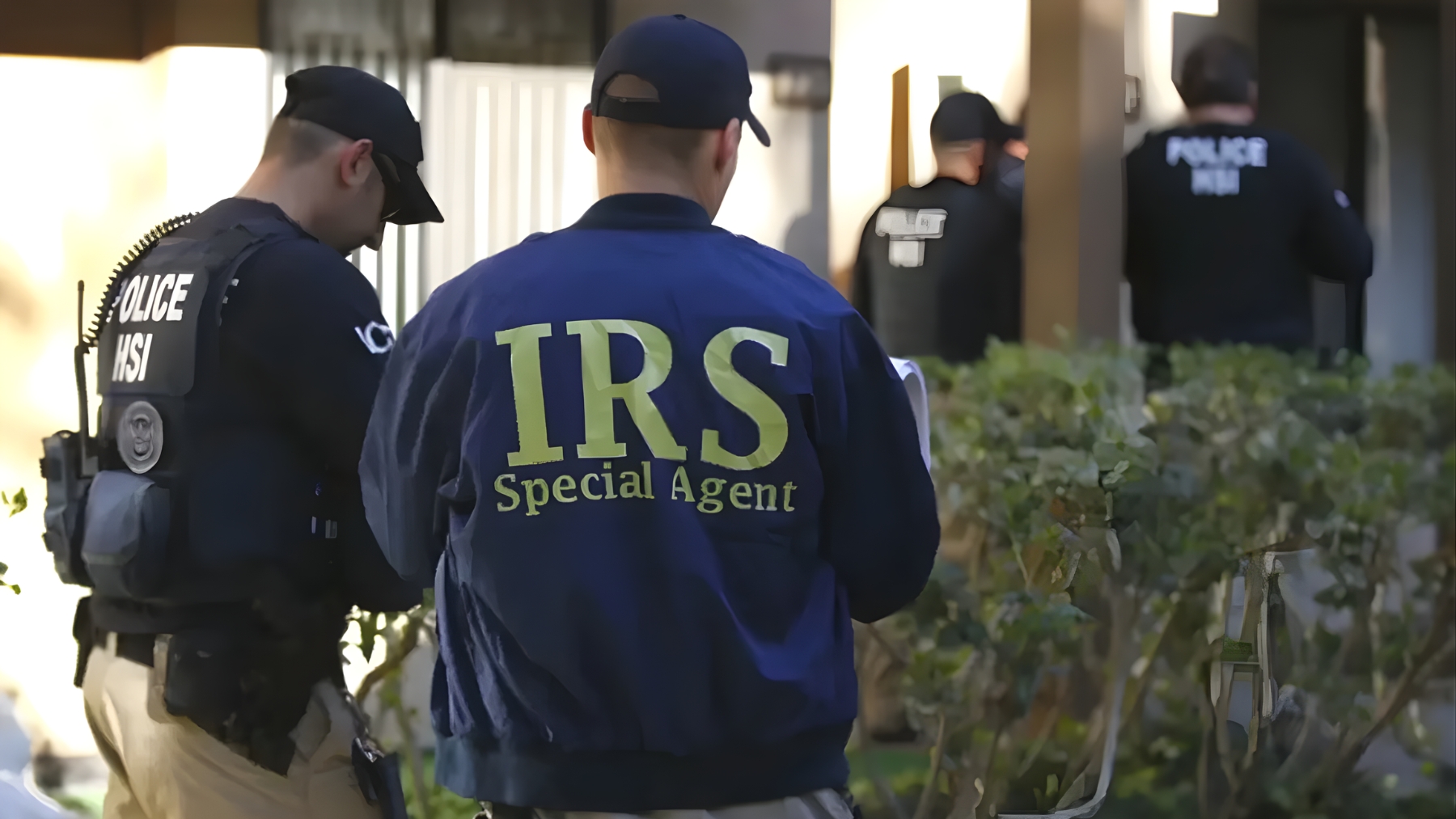
What would you do if someone knocked, flashed a badge, and said they were from the IRS? For many people, recent headlines about armed agents going door to door sound like the start of a nightmare.
The agency’s own guidance tells a more measured story, although it does confirm that armed special agents can visit homes and businesses without warning in certain criminal cases.
Who can actually visit taxpayers in person?
According to the IRS, unannounced visits are rare and only four types of employees are allowed to come to your home or workplace. These are revenue agents who handle audits, revenue officers who work collection cases, criminal investigation special agents, and fuel inspectors who visit heavily regulated fuel sites.
Each group has specific rules on how they contact people and all must carry official identification.
In 2023 the IRS moved to end most surprise visits by revenue officers, replacing them with appointment letters so taxpayers know when a meeting is coming and can gather documents in advance. Only very limited situations such as serving a summons or seizing assets still involve unannounced visits from those staff.
What makes special agents different?
Criminal Investigation special agents are federal law enforcement officers inside IRS Criminal Investigation. They focus on serious tax and financial crimes including money laundering and other offenses tied to the tax code.
They are also the only IRS employees who are armed. As part of an investigation, they may visit or call without prior notice and can reach out to third parties connected to the case.
Their role has grown more visible as IRS Criminal Investigation ramps up cases involving pandemic aid and other complex fraud. By early 2025, the unit had opened more than two thousand COVID-related tax and money laundering investigations, including hundreds linked to suspected Employee Retention Credit fraud totaling $5.6 billion in alleged wrongdoing.
Still, there are bright lines. IRS guidance explains that special agents do not handle routine civil tax disputes, do not demand payment, and do not ask for sensitive data such as your Social Security number.
How taxpayers can stay safe and spot impostors
At the end of the day, most people will meet the IRS through letters in the mailbox, not a knock at night. If someone claims to be from the agency, you can ask to see both their official IRS credential and their government issued smart card. Criminal Investigation special agents must also show law enforcement credentials.
For extra peace of mind, the IRS offers an online Employee Verification Tool that lets you confirm whether a Criminal Investigation special agent really works for the agency. If anything feels off, the IRS itself advises you to trust your instincts and contact authorities.
The official statement was published on IRS.gov.