On February 1, John Furner officially took over at Walmart. For most people, that news lands somewhere between the weather report and the electric bill. Important, but distant. Yet under this new leadership, many of the changes will show up right where it matters most, on the weekly grocery run.
Price tags are going digital. Checkout can start on your phone. Artificial intelligence will sit quietly behind shopping lists, meal plans, and product suggestions. At the same time, more stores are opening in some communities while a small number of weaker locations could close.
Furner is no outsider. He started as an hourly associate in Bentonville in the early 90s and has led Walmart U.S. since 2019, after a stint running Sam’s Club.
The board elected him to succeed longtime chief Doug McMillon, who retired at the end of January but remains on the board to smooth the handoff. So what will shoppers actually notice in 2026?
Digital shelf labels change how prices move
Ever grabbed an item because of a yellow tag, then watched a different price pop up at the register? Digital shelf labels are meant to cut down on that kind of frustration.
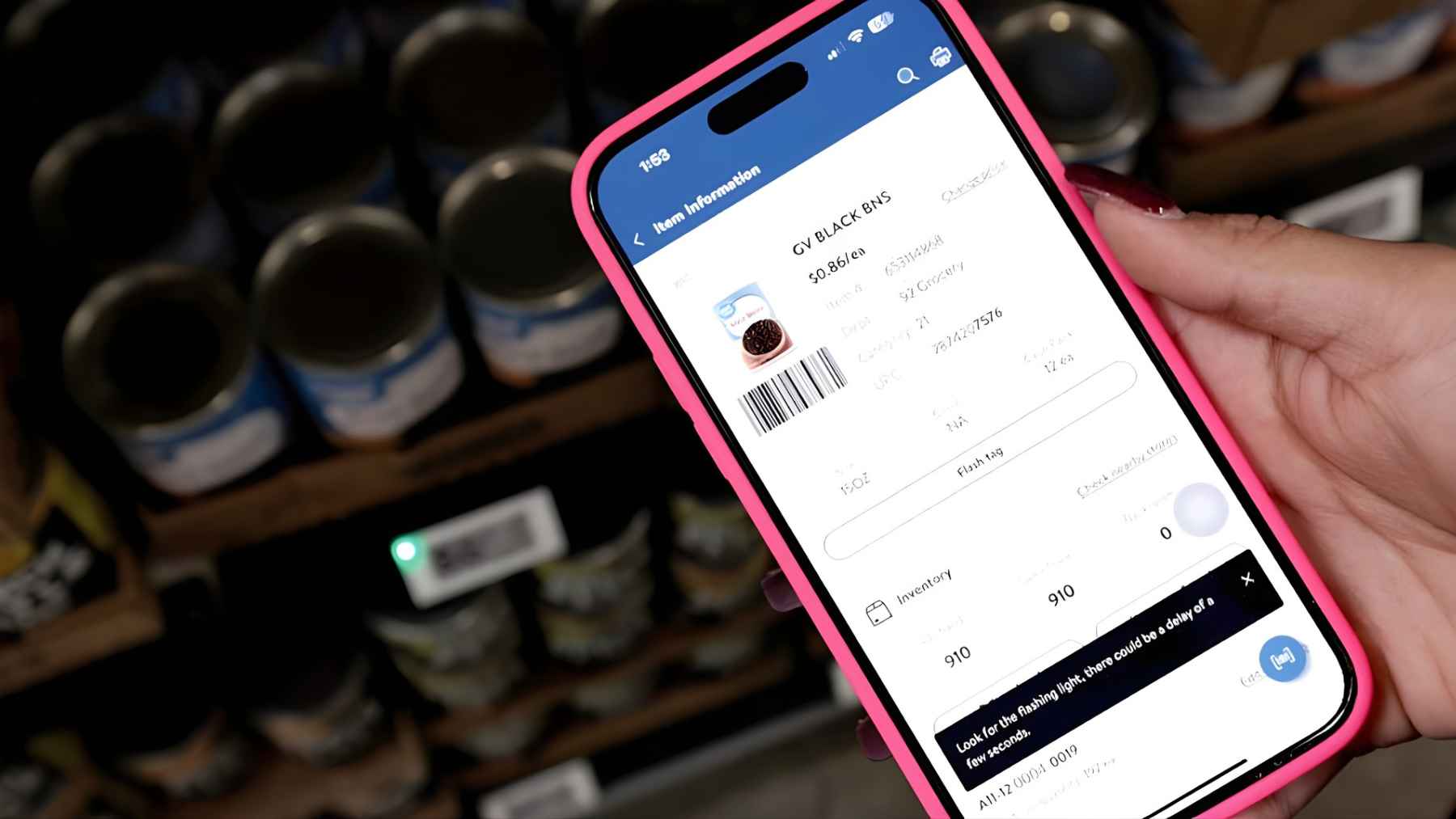
Walmart is rolling out small electronic displays that replace traditional paper tags on the shelf edge. The screens connect directly to the company’s pricing system, so thousands of prices in a store can update in minutes rather than through days of manual sign changes.
Cedric Clark, Walmart’s executive vice president for store operations, has described the project as a way to remove tedious work so employees can spend more time helping customers. Instead of walking aisles with stacks of stickers, associates can focus on restocking, answering questions, or handling issues at checkout.
The company also highlights a sustainability angle, since digital tags cut down on paper waste.
For shoppers, the practical effect is quicker markdowns, more accurate prices, and the possibility of more dynamic promotions that respond faster to local demand or competition.
Scan and Go speeds up checkout
The familiar self checkout corral is getting a twist. Walmart is expanding its Scan and Go feature, which lets customers scan items with the Walmart app as they shop.
In practice, the process is straightforward. Shoppers open the app in store mode, scan each product as they place it in the cart, and review the digital basket at the end of the trip. At a self checkout kiosk, they scan a QR code from the app, confirm payment, and roll out without re-scanning everything by hand.
The promise is simple. Shorter lines, fewer bottlenecks, and less time spent queuing with melting ice cream or fidgety kids. For customers who prefer a traditional lane, staffed checkouts remain in place, but the pressure on those lines could ease.
AI follows you from chat window to shopping cart
The biggest shift may be the quietest one. Walmart is now leaning heavily into artificial intelligence behind the scenes.
Through a partnership with OpenAI, shoppers can already build and pay for Walmart orders directly inside ChatGPT using an instant checkout feature. Someone can ask for a week of kid-friendly dinners, review the suggested items, tweak a few choices, and approve the purchase without visiting Walmart’s website.
A second partnership with Google connects Walmart’s catalog to the Gemini app. When users ask Gemini for camping essentials or back-to-school supplies, the assistant can surface relevant Walmart and Sam’s Club products and help move them straight into an existing cart.
Retail analysts see these AI agents as the next big shift after smartphones and classic ecommerce. They can turn a vague request into a ready-made basket, but they also raise questions about privacy, data use, and how much control shoppers feel they still have over brand choices.
More stores on the map, a few off it
Not all changes are digital. Walmart announced plans in 2024 to build or convert more than 150 U.S. stores by 2029 while remodeling hundreds more. New locations in Florida and California have already opened, with more slated for early 2026.
At the same time, retail experts expect a handful of underperforming stores to close as the company refines its network. Those closures are not projected to be massive, but they can still hit hard at the neighborhood level when a single big box anchors local jobs and shopping options.
A wider race to reinvent the store
Walmart is not alone in this tech sprint. Supermarket chain ShopRite has begun testing AI-powered Caper carts that automatically scan and weigh items, apply digital coupons, and let shoppers pay directly from the cart, skipping regular checkout lanes. Similar smart carts are appearing at chains such as Kroger and Wegmans.
Target is rolling out accessible self-checkout kiosks with braille labels, high-contrast buttons, headphone jacks, and tactile controls so blind and low-vision shoppers can complete purchases independently.
Restaurant chain Red Lobster is deploying a phone agent powered by SoundHound AI to answer calls, take takeout orders, and handle common questions, freeing staff to focus on diners inside the restaurant.
In that context, Walmart’s mix of digital shelf labels, Scan and Go, and AI-driven shopping looks less like a flashy experiment and more like table stakes in a rapidly changing retail game.
For shoppers, the next year or two will probably feel like a series of small adjustments rather than one dramatic overhaul.
A new tag on the shelf here, a different checkout option there, a chatbot quietly building a grocery list in the background. But together, those shifts show where Furner plans to steer the world’s largest retailer.
The official statement announcing his appointment was published on Walmart Corporate.