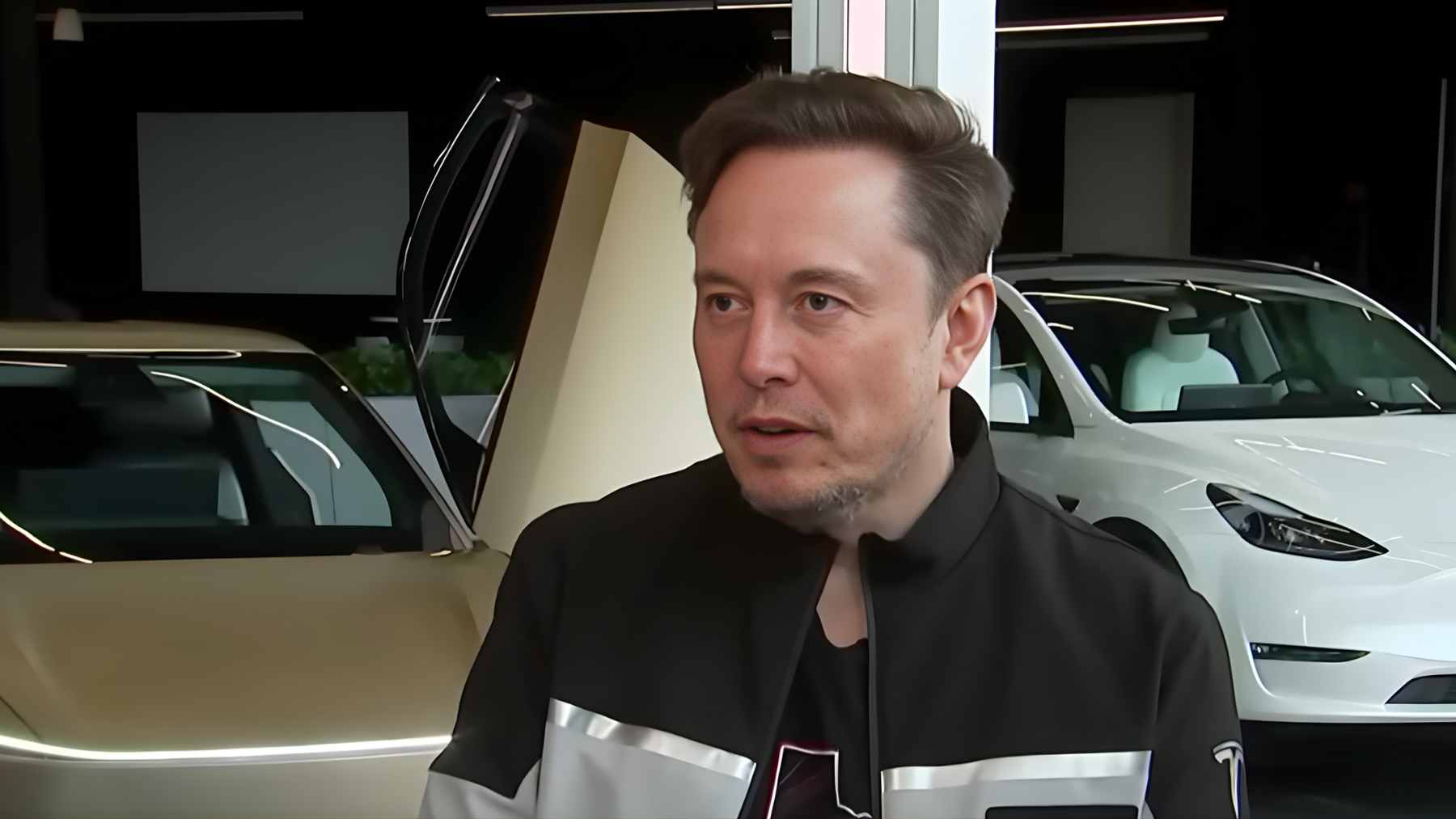
When shareholders of Tesla signed off on a performance award that could hand CEO Elon Musk up to $1 trillion in stock, they did more than approve an eye-popping paycheck. They effectively tied the future of one of the world’s most closely watched climate and AI companies to a single decision maker.
More than three quarters of votes cast backed the 2025 CEO Performance Award at the November meeting in Austin, according to a company filing and multiple reports.
What does that kind of money even represent in practice?
How the mega award works
The package grants Musk up to about 424 million restricted shares, equal to roughly 12 percent of Tesla’s current stock, split into 12 equal tranches. He receives no traditional salary. To unlock the shares, Tesla must clear an escalating series of hurdles that combine stock market milestones with demanding operational targets.
In practical terms, the company’s market value would need to climb from around $1.1 trillion to $8.5 trillion over roughly a decade. Each step is tied to a $500 billion jump in valuation plus goals such as delivering 20 million vehicles a year, signing up 10 million Full Self Driving subscribers, deploying one million robotaxis, and producing one million Optimus humanoid robots.
If every milestone were hit, the award would work out to an average of roughly $275 million a day over ten years, most of it as stock value on paper rather than cash. Analysts note that this dwarfs any previous CEO package, including Musk’s earlier $56 billion stock option deal that a Delaware judge voided in 2024 as an “unfathomable sum.”
At the end of the day, the numbers are designed to be almost unreal. That is exactly the point.
Robots, not cars, at center stage
Inside the meeting hall, the conversation was less about sedans and more about robots. Musk told investors that Tesla will increasingly behave like a “physical AI” company, with most of its value coming from software, robotaxis, and humanoid machines rather than from selling cars alone.
He predicted that the Optimus humanoid robot will be “the biggest product of all time” and said “every person on Earth” will want a personal helper similar to R2-D2 or C-3PO. Musk has even floated ideas that future versions could help eliminate poverty and perform surgery with superhuman precision.
For now, experts point out that no Optimus units are doing useful day-to-day work inside Tesla factories, and fully driverless robotaxis still face heavy technical and regulatory scrutiny. The trillion dollar award is essentially a bet that those science-fiction-style promises will move from stage demos to real streets and real workplaces.
A vote framed as all or nothing
Ahead of the vote, Tesla’s chair warned that Musk might step back from the company if shareholders rejected the plan, calling his leadership “critical” to the push into AI and autonomy. Many investors clearly accepted that framing.
Musk, for his part, has argued that he needs about a quarter of the voting power at Tesla to feel comfortable keeping its most advanced AI work inside the company instead of in other ventures.
Supporters see the award as an extreme but logical way to keep a high-profile founder focused on one company, rather than on side projects that already include SpaceX and xAI. Critics say the situation itself shows how much key-person risk Tesla has allowed to build up.
Backlash over inequality and control
Not everyone was on board. Norway’s giant sovereign wealth fund, run by Norges Bank Investment Management, voted against the plan and highlighted worries about its sheer scale, the dilution of other shareholders, and Tesla’s growing dependence on one individual.
Proxy advisers Glass Lewis and Institutional Shareholder Services also urged a no vote, warning that Musk’s stake could eventually approach thirty percent, making board level pushback much harder.
Outside the company, the package feeds a broader conversation about inequality in an age of climate tech and AI. Musk already leads global rich lists with an estimated net worth of around $700 billion, largely tied to his stakes in Tesla and Nvidia style AI winners.
If Tesla ever hits the $8.5 trillion target, his fortune could pass the trillion mark at a time when many households are still worrying about the monthly car payment or the next electric bill.
What it means for drivers and the climate
For people stuck in traffic jams or weighing whether their next car should plug in or fill up, this vote is about more than one man’s wealth. If Tesla really delivers tens of millions of EVs, fleets of robotaxis, and factories full of humanoid robots, it could speed up the phase out of gas engines and reshape how cities handle both mobility and energy use.
The open question is whether tying those ambitions so tightly to a single executive, and to a single eye-watering pay plan, will help or hurt that transition over the long run.
The official statement was published on the U.S. Securities and Exchange Commission website.