For years, space scientists have floated a striking idea: copy a tiny animal’s superpower and give it to astronauts so their DNA can shrug off deep space radiation. In a new preprint, a team at University of British Columbia led by geneticist Corey Nislow takes a hard look at that plan.
Their verdict is not comforting. The tardigrade protein Dsup can protect genetic material from a wide range of damage, but the same shield can quietly undermine the health of the cell that carries it.
The researchers engineered yeast to produce Dsup and then stressed the cells with different DNA damaging agents. The protein wrapped itself around chromatin and reduced certain kinds of DNA breaks, especially those caused by oxidative damage.
At first glance, that sounds perfect for long stretches outside our planet’s magnetic field. The catch is that the same physical coating can interfere with everyday jobs such as reading genes and fixing routine damage.
In some conditions, high Dsup levels sharply reduced cell viability and could even become lethal, turning a guardian into a liability. As Nislow put it, “there is a cost for every benefit that we have seen.”
Why tardigrades looked like the perfect model
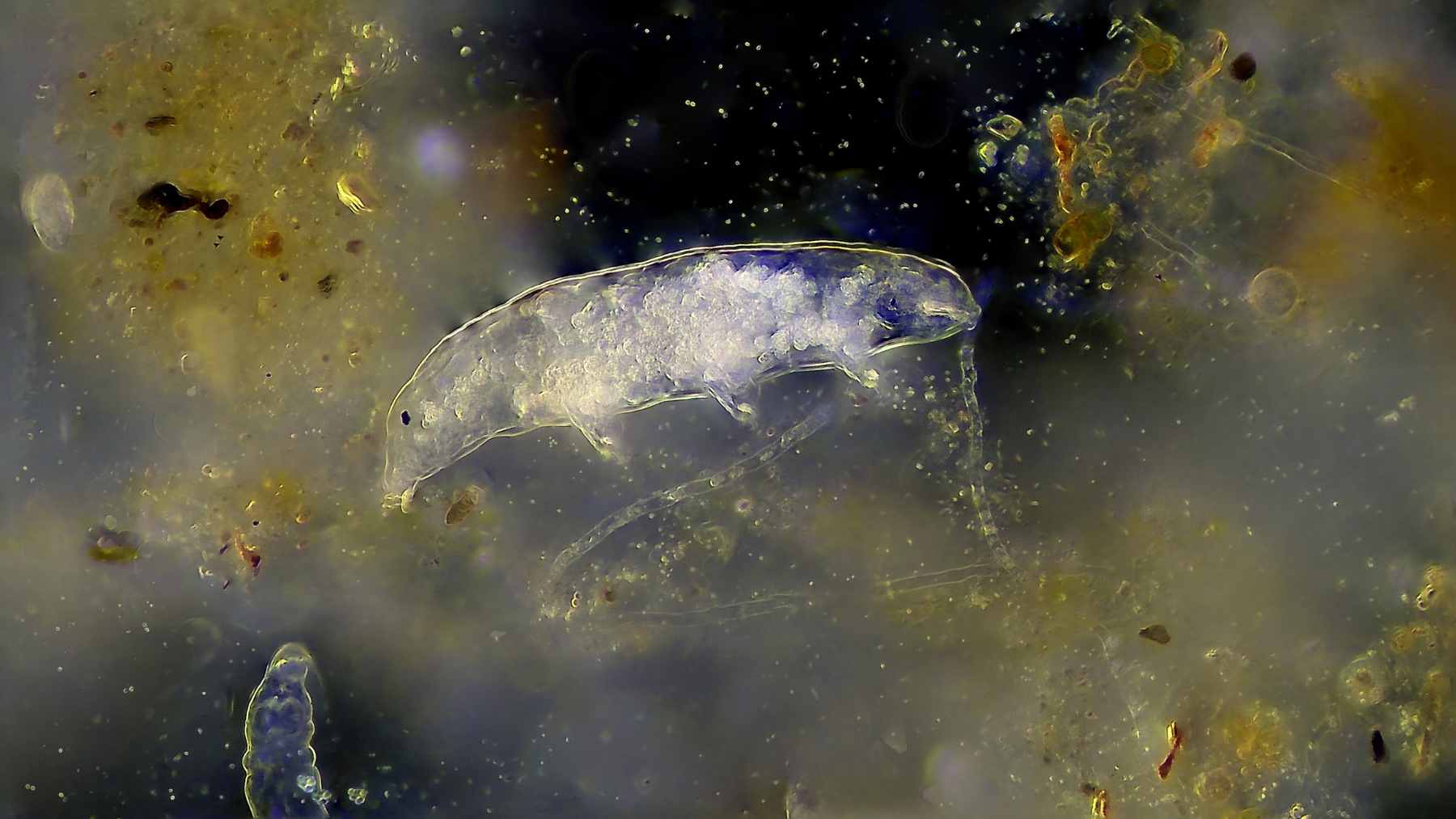
Tardigrades, sometimes nicknamed water bears, are famous for surviving radiation doses that would be unthinkable for life on Earth. One key to that toughness is Dsup, a DNA binding protein first described in 2016. When scientists added Dsup to human cultured cells, the cells tolerated X-ray exposure about forty percent better and showed fewer broken strands of DNA.
That result lit up the imagination of space agencies such as NASA and other groups thinking about deep space travel. A project at Nislow’s lab openly framed Dsup as a tool for “building better astronauts,” suggesting that the protein could help human cells cope with DNA damage either on the ground or in orbit.
For long missions to the Moon or Mars, where you cannot simply duck back home if your exposure climbs, that sounded almost like a biological radiation vest.
So why not just copy the tardigrade trick, flip a genetic switch, and call it a day?
Friend and foe inside the cell
The new preprint, titled “Friend and Foe” in its scientific listing, leans into that tension. Working in yeast, the team found that Dsup really does act like a protective layer, coating chromatin across the genome and helping cells ride out chronic oxidative stress.
Survival improved under specific conditions and classic markers of oxidative DNA damage dropped.
But the same experiments also showed what happens when that layer is pushed too far. A cell is not just trying to avoid damage. It also has to copy its DNA, turn genes on and off, and send repair proteins to the right spots at the right moment.
When Dsup crowded the genome, core processes such as transcription and DNA repair began to suffer. According to the team, that is when viability falls and the supposed upgrade becomes dangerous. It is a bit like wrapping every book in your house in thick bubble wrap. The pages might stay safe, but good luck trying to read them.
Other researchers see the same double edge. Radiation biologist James Byrne at University of Iowa has warned that if Dsup were produced continuously in every cell, the health cost would likely be significant. In his view, a tightly-controlled, short-term dose might still have value, but only if scientists can direct it precisely in time and place.
What this means for future astronauts
For a while, some in the field imagined delivering Dsup to astronauts through messenger RNA packed in lipid nanoparticles, similar to modern vaccines. Nislow himself has said that a few years ago he was convinced that this strategy would work.
The latest data force a more cautious view. Before anyone can seriously propose using tardigrade genes in crews bound for deep space, researchers will need tools that can switch Dsup on and off, tune its levels, and perhaps limit it to selected tissues instead of the whole body.
In practical terms, that means traditional solutions still carry most of the load. Better shielding, smarter mission timelines, and drugs that help the body repair damage remain the front line against cosmic radiation.
Work on Dsup is far from wasted, though. By showing exactly where the protein helps and where it harms, studies like this one can guide the search for smaller molecules or tailored proteins that keep the benefits without the worst side effects.
The study was published on bioRxiv.