
Next time your stomach flips and you instinctively reach for ginger tea or even ginger ale, it is worth asking a simple question: how much of that soothing reputation is backed by real science, and how much is wishful thinking?
Recent research suggests that ginger can genuinely ease certain types of nausea, especially in pregnancy, during chemotherapy, and after surgery, although the effect is modest and very context dependent.
At the same time, scientists warn that the evidence is still limited, with many small studies and uneven quality across clinical trials.
What ginger does inside the body
Ginger is packed with active compounds such as gingerol and shogaol. These molecules interact with receptors in the gut and nervous system that help regulate nausea signals and pain perception, including the serotonin 5 HT3 receptor and the TRPV1 pain receptor.
By nudging those pathways, ginger appears to dampen the nerve messages that feed the brain’s vomiting center and create that familiar queasy feeling.
Some studies also suggest that ginger helps the lower part of the stomach contract more efficiently. In practical terms, that means food may move out of the stomach a bit faster, which can reduce feelings of fullness and bloating that many people describe when they say their stomach is “off.”
On top of that, ginger’s anti-inflammatory and antioxidant effects may help calm irritation in the lining of the gastrointestinal tract. So on a biological level, this is not magic. It is chemistry.
Where the evidence is strongest
For pregnancy-related nausea, often called morning sickness, ginger is one of the best studied herbal options. A meta analysis that pooled twelve randomized trials and 1,278 pregnant women found that oral ginger significantly improved nausea scores compared with placebo, although it did not consistently reduce how often women actually vomited.
A more recent systematic review led by pharmacologist Keshab Raj Paudel pulled together multiple meta analyses on ginger.
The team concluded that doses between 500 and 1,500 milligrams per day, split into several smaller doses, generally reduced pregnancy associated nausea without increasing the risk of serious side effects, though benefits for vomiting remained much less clear.
Cancer care is another area where ginger shows promise, particularly when it is added to standard prescription anti-nausea drugs.
In a multicenter randomized trial of 103 adults receiving moderately- or highly-emetogenic chemotherapy, participants who took standardized ginger root capsules for five days around each infusion reported better nausea-related quality of life and less delayed nausea and vomiting than those on placebo, with no serious adverse events linked to ginger.
An umbrella review published in the International Journal of Food Sciences and Nutrition reached a similar overall conclusion. Across several meta analyses, ginger tended to reduce chemotherapy induced nausea and the severity of postoperative nausea and vomiting, and it lowered the need for “rescue” antiemetic drugs in some trials.
At the same time, the authors rated the methodological quality of many of those meta analyses as low, so the signal is encouraging but not definitive.
Where the evidence is thin
What about the everyday situations many people care about most, such as stomach flu, hangovers, motion sickness on a long bus ride, or chronic heartburn from late night pizza. Here, the science is far less convincing.
Experts interviewed by The Washington Post note that there is little to no high-quality research showing that ginger reliably helps nausea from stomach viruses, hangovers, or chronic acid reflux. For motion sickness, irritable bowel syndrome, and functional indigestion, evidence is mostly anecdotal or limited to small, inconsistent studies.
In other words, if you sip ginger tea after a rough night and feel better, it might be the ginger. It might also be the hydration, rest, and time. Right now, clinical trials simply have not pinned that down.
How people actually take ginger in real life
One important detail often gets lost in social media wellness tips. Most of the trials that found benefits did not test homemade ginger tea, restaurant stir fry, or supermarket ginger ale. They used capsules with measured amounts of dried ginger root powder.
Gastroenterologist Joshua Forman often recommends ginger supplements instead of relying on food products, partly because capsules offer more consistent dosing. In many studies, participants took between 500 and 1,500 milligrams of ginger per day, divided into two to four doses.
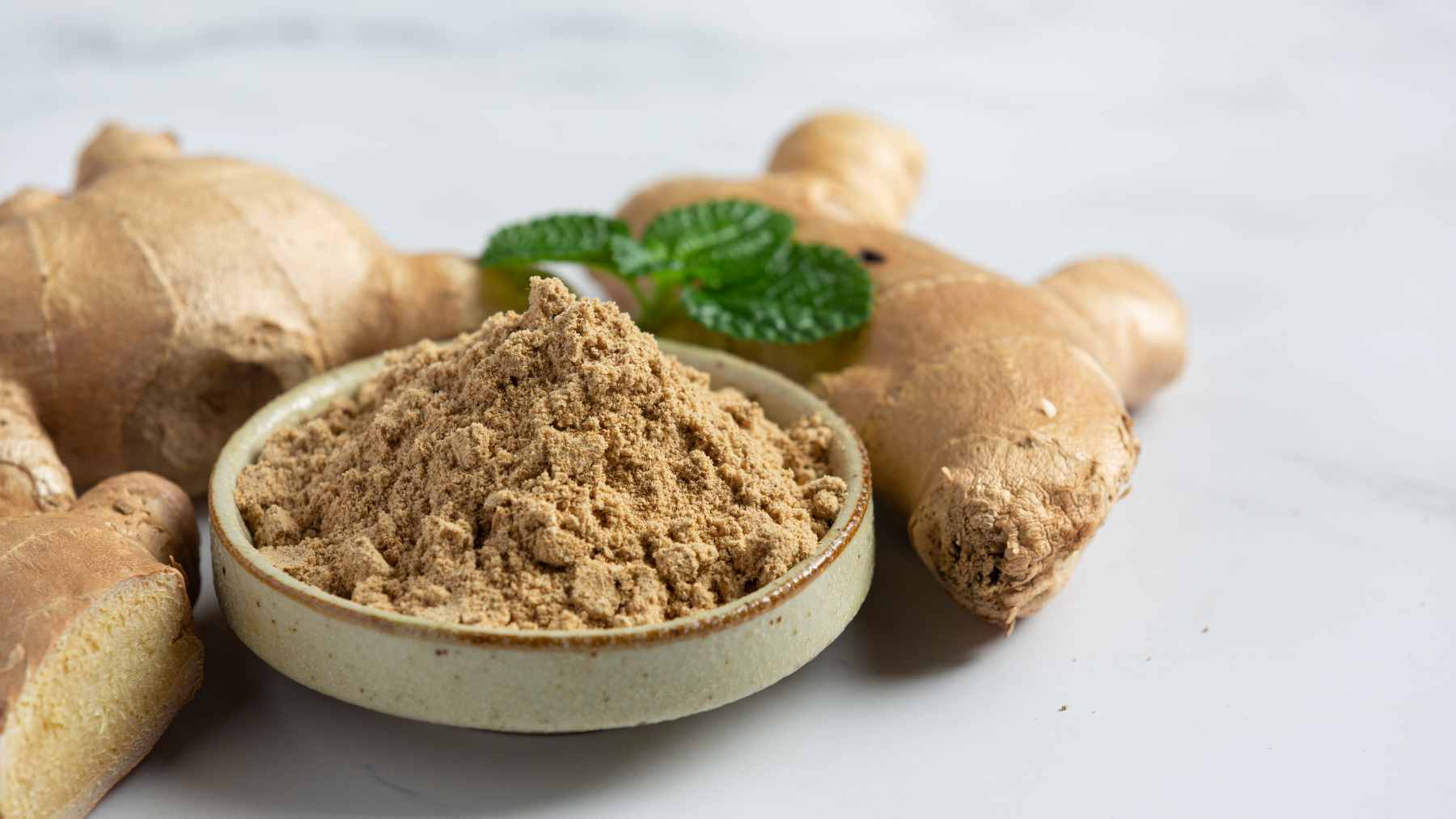
Higher total intakes, above roughly 3 grams daily, were more likely to aggravate heartburn or reflux in sensitive people.
Fresh ginger tea can still be a reasonable home remedy, as long as you recognize that the actual dose is hard to estimate and will vary with how much root you grate and how long you let it steep. Candied ginger, ginger cookies, and most ginger ales usually contain much less real ginger and more sugar, and some sodas rely mainly on flavoring rather than the root itself.
Safety, limits, and what to remember
For most healthy adults, typical study doses of ginger appear safe. Reviews of clinical trials and pharmacology data suggest that ginger can modestly lower blood sugar and may influence blood clotting, which matters if you live with diabetes or take anticoagulant medications.
Pregnant people, children, and anyone on complex medication regimens should talk with a clinician before starting daily ginger supplements.
Even strong supporters urge restraint. As Paudel and other researchers emphasize, ginger is best seen as a supportive tool that works alongside standard care, not as a cure for every kind of nausea or digestive complaint.
So, if you are dealing with mild pregnancy nausea, queasiness from chemotherapy, or post surgery discomfort, a carefully dosed ginger supplement, used under medical guidance, may help you feel a bit more like yourself.
For anything severe, persistent, or mysterious, the safer choice is still to call your doctor rather than relying on what is in the spice rack.
The review was published in Frontiers in Pharmacology.