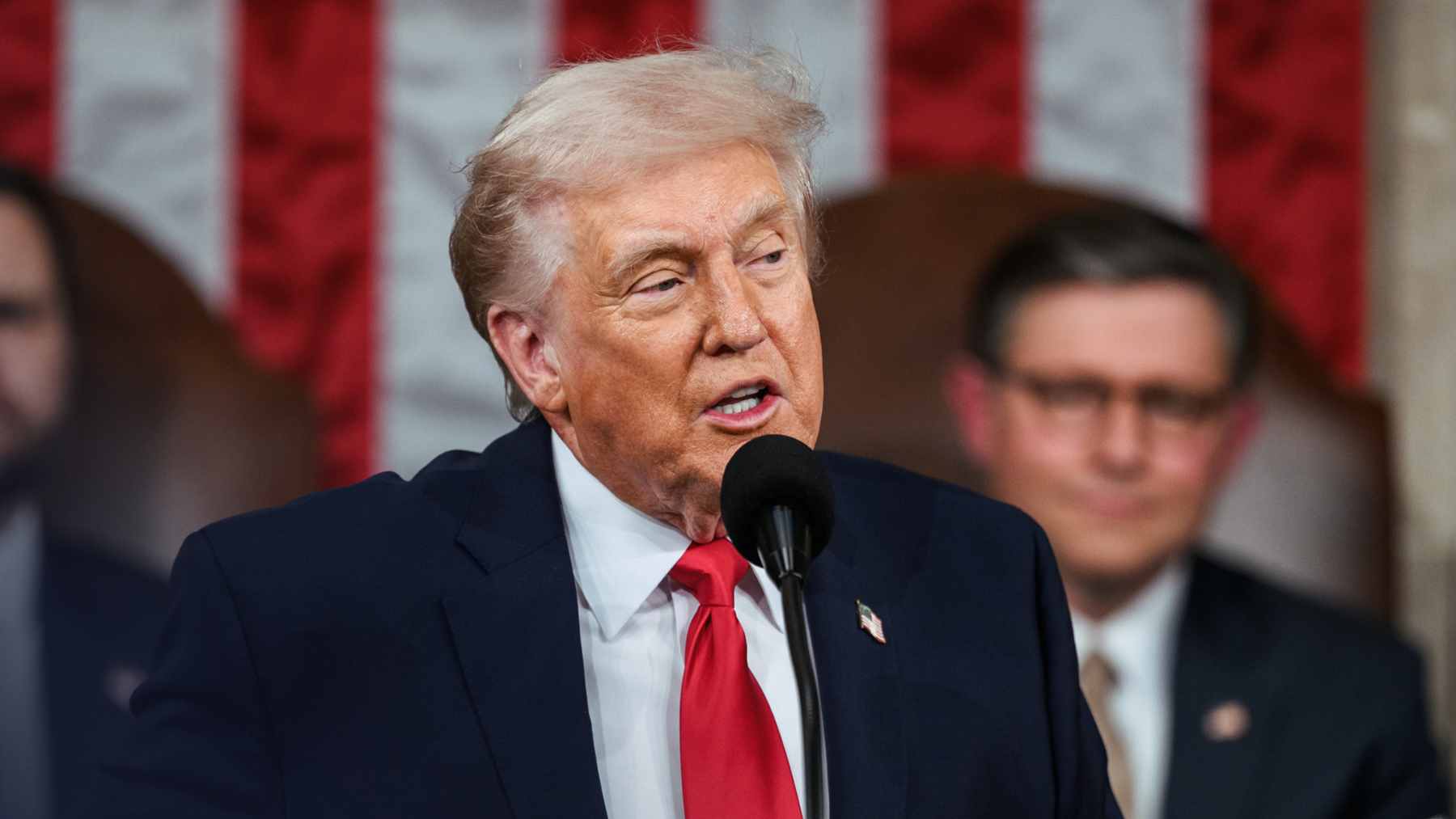
President Donald Trump is pushing back on reports that he tried to trade his name for badly needed rail money. In a new post on Truth Social, he insisted that the idea of renaming New York City’s Penn Station after him came from “certain politicians and construction union heads,” not from the White House.
At the same time, he repeated that Washington will not cover any cost overruns on the $16 billion Gateway Hudson River tunnel, even after a federal judge ordered his administration to restore frozen funding for the project earlier this month.
A naming spat on top of a tunnel lifeline
Trump’s Truth Social message described Gateway as a future “boondoggle” and warned it could become “financially catastrophic for the region” unless planners keep a tight grip on costs. He wrote that “under no circumstances” should the federal government be on the hook for extra spending and framed his post as a formal notice to New York and New Jersey leaders.
That statement landed after weeks of uproar over reports that the president privately offered to unfreeze Gateway money if Senate Democratic leader Chuck Schumer backed renaming both Penn Station and Washington Dulles International Airport in his honor.
Schumer rejected the idea and reminded the administration that he does not control federal landmark names.
What the Gateway tunnel means for everyday riders
Behind the political theater sits a very practical question. What happens to the roughly 200,000 people who ride trains under the Hudson on a typical weekday if the aging tunnel fails or needs long repairs?
The Gateway Hudson Tunnel Project aims to build a new two-track rail tunnel between New Jersey and Manhattan and then rehabilitate a century-old tunnel that was badly damaged during Hurricane Sandy.
The existing tubes already run near capacity and handle more than four hundred trains a day for Amtrak and New Jersey Transit. Transportation officials have warned for years that closing even one of those tubes would slash capacity by more than half and push commuters into already clogged bridges, buses and ferries.
For workers who rely on those trains to get to jobs in Midtown or beyond, the fight in Washington is not abstract. It shows up as packed platforms, delay alerts on their phones and the risk of even longer slogs under the river if something goes wrong.
Frozen funds, shutdown politics and discrimination debates
The tunnel clash did not come out of nowhere. During the 2025 government shutdown, the Trump administration froze billions in infrastructure money in states that backed former Vice President Kamala Harris in the 2024 election.
White House budget director Russell Vought announced cuts that hit New York’s Gateway tunnel and Second Avenue subway projects especially hard and framed them as part of what he called a broader crackdown on Democratic climate priorities.
Later, as Gateway money stayed blocked, administration officials pointed to new reviews of “race- and sex-based contracting considerations” in federal grants, a move critics saw as a direct shot at diversity style hiring and contracting rules.
Courts restart the project, but the fight goes on
After New York and New Jersey sued, US District Judge Jeannette Vargas issued a temporary restraining order requiring the administration to release more than $200 million in previously-approved tunnel funds.
Federal transportation officials have since sent back an initial $30 million, then another $77 million, and the remaining overdue installment, allowing construction to restart and about one thousand laid off workers to return to the job.
Even so, Trump’s new vow that Washington will not pay for a single dollar of cost overruns leaves big questions hanging over the region. Large rail projects often run above their early estimates, and state leaders worry that any future shortfall could land directly on local taxpayers or force painful service cuts elsewhere.
For riders just trying to avoid one more signal failure on the way into Manhattan, the risk is simple. If political brinkmanship slows the work again, the odds of disruptive tunnel trouble only grow.
The full statement was published on Newsweek.