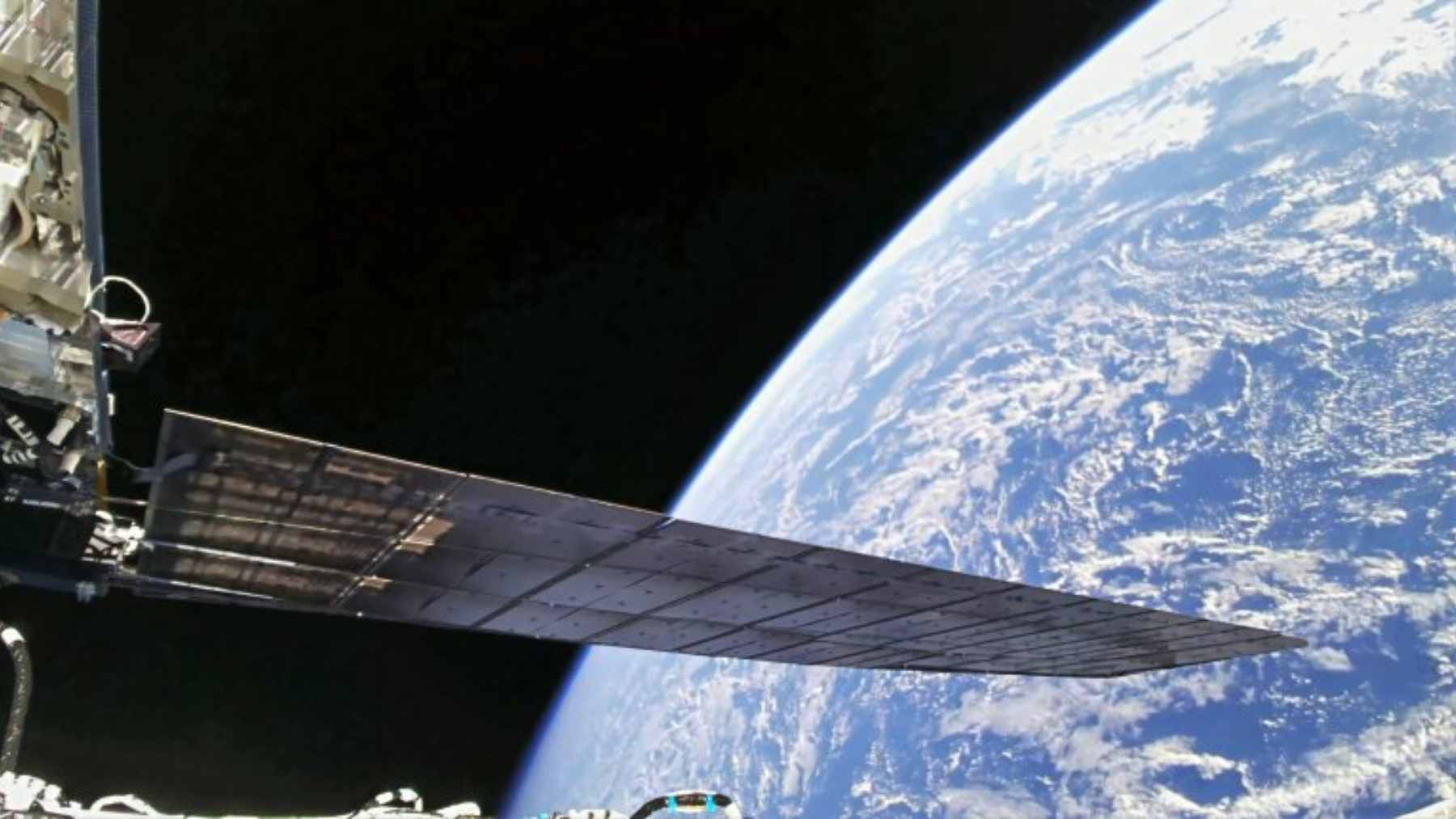
If you have ever driven out of town to see the Milky Way in a truly dark sky, astronomers say that view is quietly changing. A new study of Amazon Leo, the rebranded satellite internet project from Amazon Leo’s satellite internet service, finds that its spacecraft are already brighter than experts recommend, even though only a small fraction of the planned fleet is in orbit.
Researchers led by Anthony Mallama analyzed 1,938 brightness measurements of Amazon Leo satellites flying about 630 kilometers above Earth. On average the satellites showed an apparent magnitude of 6.28, which sits right at the edge of what a human eye can see in a very dark sky.
In their normal operating mode, the team reports that 92 percent of the satellites exceed the brightness limit set by the International Astronomical Union for avoiding interference with research, and about a quarter are bright enough to distract casual stargazers.
What the study actually measured
To reach those numbers, the team collected nearly two thousand separate observations from different locations and tracked how the satellites brightened and dimmed as they moved. The analysis focuses on production spacecraft, not early test models, and covers satellites at an operational altitude around 630 kilometers rather than temporary transfer orbits.
That kind of detailed tracking is the same careful approach you see in other space science work, from lunar dust studies that reshape how we think about the Moon to investigations of carbon and other elements in our cosmic backyard, like those described in this lunar dust research.
That altitude matters. Higher orbits keep satellites visible for longer stretches of each pass, and the shiny surfaces that make them efficient internet relays also bounce sunlight toward the ground. It is the orbital equivalent of a line of cars on a hill with their headlights pointed toward your neighborhood.
Why astronomers are worried
Bright points in the sky may sound harmless. “Bright satellites are particularly troublesome for large-scale astronomical surveys,” Mallama explained, pointing to the Vera C. Rubin Observatory, which will photograph the entire visible sky every few nights.
Each satellite trail can slice through an image and wipe out data that never comes back, a concern that mirrors the way other NASA missions and probes have had to plan around crowded orbits, as seen in launches like NASA’s twin Mars probes on New Glenn.
The concern is not limited to telescopes on the ground. According to the new study, light reflected from the Amazon satellites can also reach orbiting instruments such as the Hubble Space Telescope, contaminating long exposure images meant to capture faint galaxies and distant supernovas.
For many researchers and former astronauts who regularly discuss NASA’s latest discoveries, including those following new “building blocks of life” results, each streak in an image represents science that is simply gone.
Amazon Leo satellites are not the brightest machines in the sky. Constellations operated by AST SpaceMobile, with their giant BlueBird antenna arrays, and earlier measurements of Starlink spacecraft from SpaceX, show even more intense glare. Yet the new work shows that Amazon’s design still lands above the thresholds that astronomers hoped would protect dark skies.
That fits into a broader pattern where government and commercial decisions about spacecraft and climate-tracking instruments, such as those highlighted when the White House ordered key NASA climate satellites shut down, have ripple effects far beyond their immediate missions.
A race for connectivity that reaches into the backyard
At the end of the day, constellations like Amazon Leo promise a real benefit. The network aims to bring broadband to remote towns, ships at sea, and rural homes that still struggle with buffering video and unreliable work calls.
The trouble is that the economics of satellite internet reward thousands of spacecraft in low orbits. The study notes that future Amazon Leo satellites may fly even lower than the current batch, which would make them brighter still.
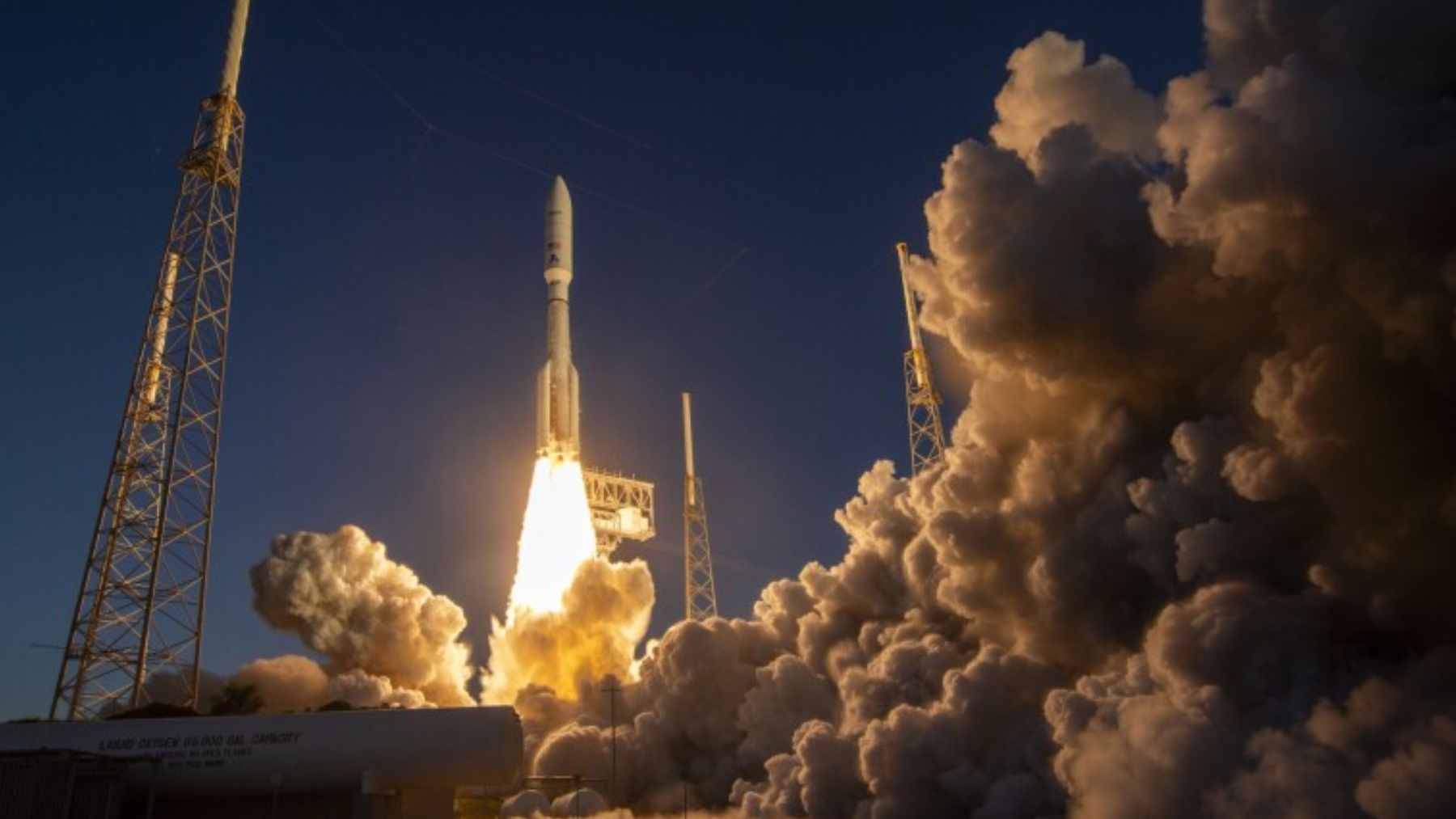
That is good news for lag-free streaming and cloud gaming, but less welcome for anyone trying to take a clean long exposure photo of the night sky or show a child a clear view of Orion without moving streaks.
There is some cautiously good news. The authors highlight that Amazon has engaged early with the IAU Centre for the Protection of the Dark and Quiet Sky and is testing darker coatings and different satellite orientations so that more sunlight reflects back into space rather than toward the ground.
Similar tweaks on other constellations have already reduced their brightness to a large extent. Those efforts run in parallel with Amazon’s other high profile moves, from its consumer settlements to its broader business decisions, including cases like automatic Prime refunds after an FTC settlement.
The open question is whether those engineering fixes can scale to a full constellation of more than three thousand spacecraft without dimming the promise of affordable global internet.
For now, the new measurements act like a warning light on the dashboard, reminding regulators and companies that every extra satellite has a cost for science and for the simple pleasure of stepping outside and looking up.
The study was published on arXiv.