When most people think of Brazil, they picture soccer stadiums, Carnival, and endless beaches. Yet behind that familiar image stands the region’s most powerful armed forces, a military machine that regional media now describe as the unmatched power in Latin America.
Brazil combines sheer size, a growing defense budget, and homegrown, high-tech programs that put it just outside the world’s top ten militaries. So how strong is it really?
Troop numbers, money, and rankings
Independent assessments estimate that the Brazilian Armed Forces field more than 330,000 active personnel, supported by over one million reservists and hundreds of thousands of paramilitary troops. That makes Brazil the largest military in Latin America by manpower and the second largest in the Americas after the United States.
Spending tells a similar story. According to the Stockholm International Peace Research Institute, Brazil’s military expenditure reached about $22.9 billion in 2023, the highest in South America and up just over 3% from the previous year.
While that is far below the budgets of global giants, it is well ahead of regional neighbors and gives planners steady funds to keep ships sailing, jets flying, and troops deployed in remote areas such as the Amazon and border regions.
Global ranking systems reflect that advantage. The private index run by Global Firepower currently places Brazil in 11th place out of 145 countries, ahead of mid-sized powers such as Germany, Indonesia, and Iran. For readers used to thinking of Brazil as a developing country, that position can be surprising.
Homegrown high-tech from the jungle to the Atlantic
Brazil’s strength is not just about headcount. Over the past decade it has poured money into domestic defense projects that aim to reduce dependence on foreign suppliers and turn defense into an export industry.
Local reports highlight that a noticeable slice of the defense budget now goes to research, development, and national production, from drones and missiles to armored vehicles.
On the aviation side, Swedish designed Gripen E fighters are now assembled on Brazilian soil, creating the first production line for that aircraft outside Sweden. The jets join Embraer’s KC 390 Millennium transport aircraft, a multi-mission workhorse used for cargo, aerial refueling, disaster relief, and even Antarctic resupply flights.
These programs give Brazilian engineers valuable know-how and help keep money and jobs inside the country rather than sending everything abroad.
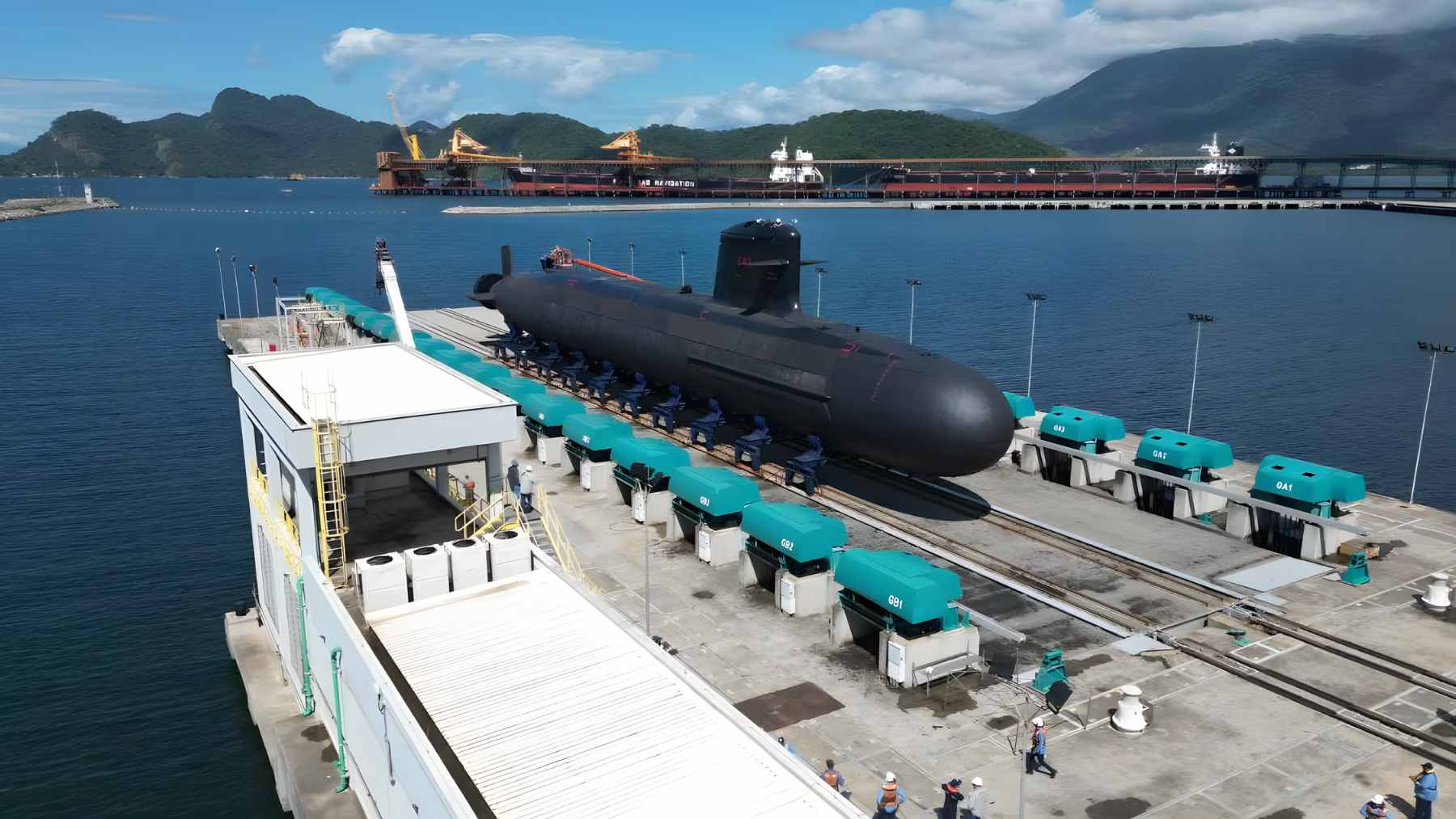
At sea, Brazil is working toward a nuclear-powered attack submarine known as Álvaro Alberto, a long-term project that would make it the only Latin American country with such a vessel once it enters service, likely in the next decade.
Construction of the hull began in 2024, with launch and sea trials expected toward the end of the 2020s. For regional navies that still rely mostly on aging diesel boats and coastal patrol craft, that is a major step up.
Geography, missions, and what it means for neighbors
Size and geography go a long way toward explaining this build up. Brazil controls about 60% of the Amazon rainforest and faces the Atlantic along more than 7,400 kilometers of coastline, with busy shipping lanes and offshore oil fields to protect.
Maintaining jungle brigades in the sweltering interior and a blue water capable navy along that coast requires far more than a token force.

At the same time, the picture is not as simple as relentless expansion. Analysts note that a very large share of Brazil’s defense budget still goes to salaries, pensions, and benefits for military personnel, which can slow purchases of new equipment.
Estimates from Brazilian budget documents and local analysis put personnel costs above three quarters of total defense spending in recent years.
Internationally, Brazil often leans on its military power to present itself as a stabilizing actor rather than an aggressor. Its forces have led major peacekeeping operations under the United Nations in countries such as Haiti and regularly participate in regional exercises and humanitarian deployments.
For neighbors in South America, the result is a partner that is powerful enough to matter in any security discussion but, at least so far, more focused on deterrence, industry, and domestic security than on projecting force far from home.
In other words, Brazil’s army, navy, and air force are not just big. They are increasingly sophisticated, locally built, and woven into the country’s broader ambitions in industry, climate policy, and regional leadership.
The report was published on the SIPRI site.