Miswired home generators are creating a new danger for crews trying to put Nashville back together after the recent ice storm, as officials warn that some units are quietly feeding electricity back into supposedly dead power lines.
Crews race the next wave of cold
With more cold, wet weather heading toward Middle Tennessee this weekend, city and state transportation teams are scrambling to clear roads, move people to warming shelters, and stay a step ahead of the next round of outages.
The Nashville Department of Transportation (NDOT) and the Tennessee Department of Transportation have 46 crews working days, nights, and weekends, while Nashville Electric Service (NES) focuses on restoring power to neighborhoods that have already spent days in the dark.
At the same time, NDOT says much of its effort has shifted from basic road work to supporting power restoration, clearing fallen limbs and hauling debris so utility trucks can get where they need to go.
Crews are racing to salt and treat streets before temperatures dip again, trying to keep a bad situation from sliding into something worse.
A hidden risk for lineworkers
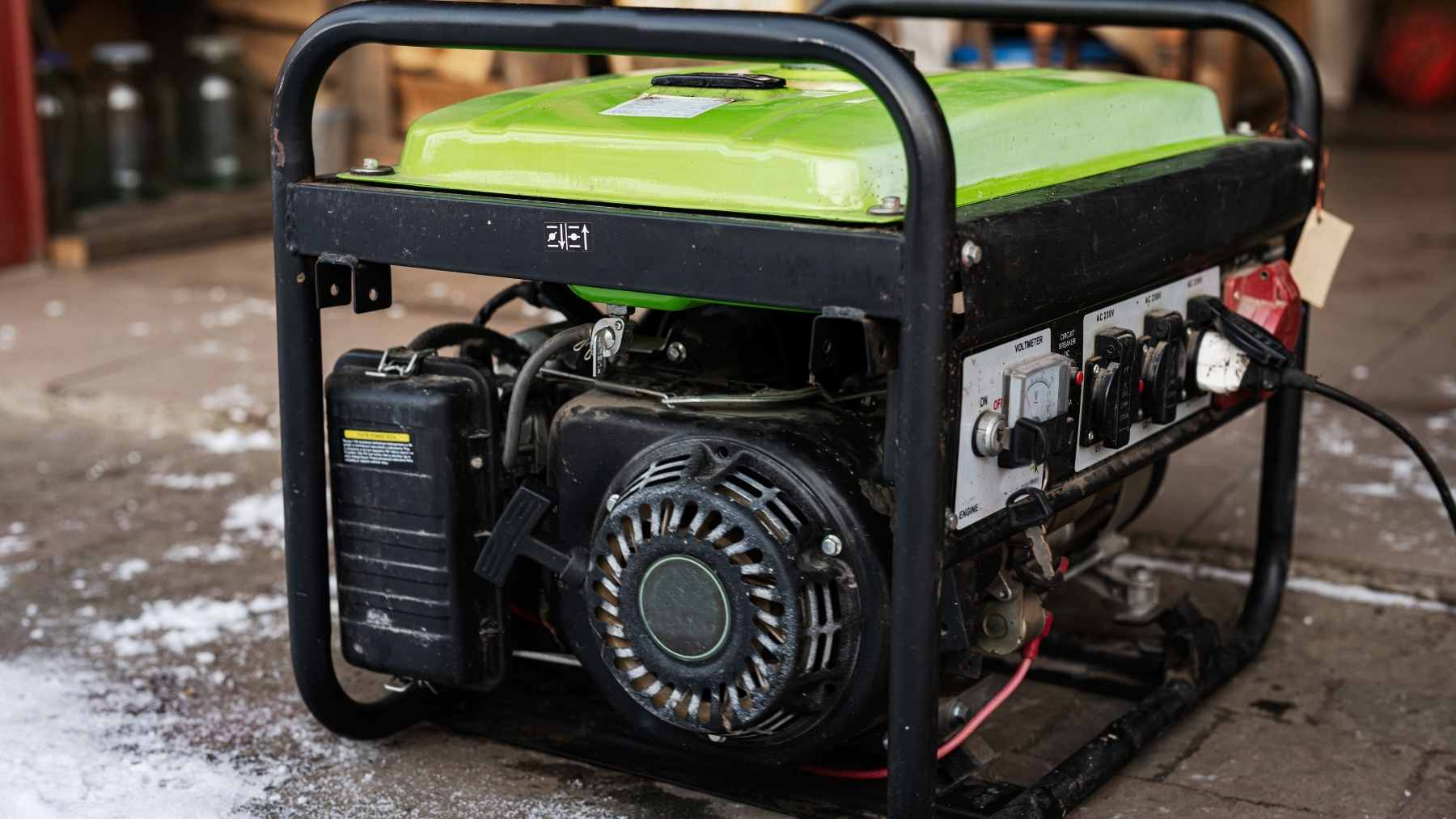
On top of downed trees and slick pavement, officials are worried about something that is harder to see. When residents hook up portable generators incorrectly, that power can flow back through their service lines and re-energize circuits that workers believe are off.
It is a problem known as backfeeding, and NES says it has already seen cases where energized lines were traced back to miswired generators in private homes.
Phillip Jones, deputy director at NDOT, is urging anyone who has plugged a generator into their home to double check how it is connected or get a qualified electrician to inspect it.
If a generator is tied directly into a home’s wiring without a proper transfer switch, the electricity does not stop at the breaker panel. It can travel out through damaged lines, across limbs, and into gear where lineworkers are making repairs.
For the crews working long shifts in freezing rain, that is not an abstract risk. A line they thought was safely grounded can suddenly become live again, turning a routine repair into a life-threatening shock hazard.
Utility workers already face icy roads, falling branches, and bitter wind. They should not have to worry about current flowing in from a neighbor’s driveway.
How residents can stay safe
So what should people relying on generators do in practical terms? Officials repeat a few basic rules. Never plug a generator into a wall outlet or “back feed” it into your home’s wiring. Instead, use heavy-duty extension cords to power essential appliances directly or have a licensed electrician install a transfer switch that keeps your system isolated from the grid.
They also remind residents to treat generators like any other gasoline engine. That means running them outside, away from doors and windows, to avoid carbon monoxide buildup, and shutting them down to cool before refueling.
In a week when many families are juggling space heaters, candles, and outdoor cookers along with generators, fire departments say a little extra caution can go a long way.
Why this matters for the bigger grid
City leaders say these details matter because the electric system is already under stress from the storm. Every avoidable outage, every damaged transformer, and every injury slows the push to get everyone’s lights and heat back on.
Miswired generators might make one house feel more comfortable for a few hours, but they can extend the misery for an entire block if something goes wrong.
At the end of the day, this is one of those quiet choices that adds up. Taking the time to wire a generator correctly, or to run a long cord instead of the quickest shortcut, protects the crews in bucket trucks, the neighbors on the same circuit, and the family standing in the kitchen watching the electric bill and the thermostat.
As Nashville braces for another round of winter weather, officials hope residents will see generator safety not as red tape, but as part of looking out for each other.
The official statement on generator safety was published on Nashville.gov.