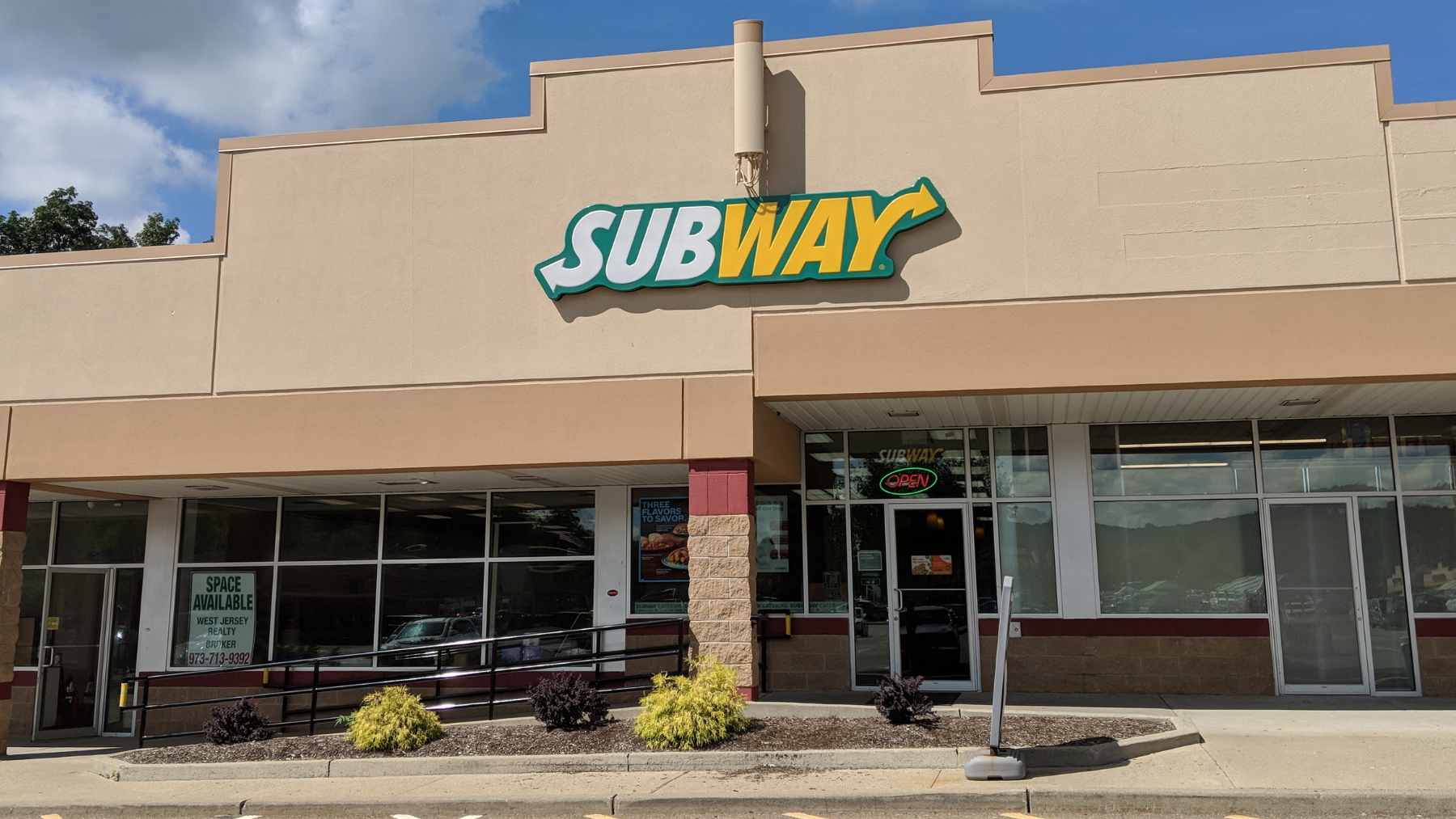
A major Subway franchisee has filed for Chapter 11 bankruptcy, a move that shows how fragile life can be for franchise owners in fast food. MTF Enterprises, which runs 43 restaurants in Maine, New Hampshire, Pennsylvania and Virginia, is seeking protection from creditors after a pileup of short-term financing caught up with the business.
So what pushed a company of that size into court? According to the bankruptcy filing, MTF relied on Merchant Cash Advance products, a type of financing where a business gets a lump sum up front and then gives lenders a slice of its future card sales.
Weekly and even daily withdrawals from those advances, along with liens placed on the company’s revenue, were described as the primary cause of its financial problems.
The case illustrates a tough reality for franchisees who operate on thin margins. By the time payroll, food costs, rent and the electric bill are covered, there is often not much left to absorb high-cost debt.
A big operator in a tight corner
MTF is far from a struggling single shop. Franchise industry reports describe it as a multi-unit operator that grew quickly over the past decade before hitting the current wall of obligations.
Merchant Cash Advances can look attractive when a bank says no. They are not technically loans, but legal agreements that sell a portion of future credit and debit card receipts in exchange for quick capital.
Instead of a fixed monthly payment, the provider takes a percentage of each day’s sales until a preset amount has been repaid.
Specialists who track the franchise sector warn that this structure can squeeze owners who already send a share of revenue to the brand in royalties and marketing fees. In a low-margin business, adding another automatic draw from every transaction can turn a slow week into a cash-flow crisis.
A shrinking footprint in the United States
MTFs collapse also lands at a difficult moment for the broader Subway system. In recent years the chain has steadily closed more restaurants in its home market than it has opened.
Company disclosure documents show its United States store count falling from 21,147 at the start of 2022 to 19,502 at the end of 2024, after a net loss of 631 locations in that year.
Subway still has the largest number of restaurants in the country, but to a large extent its growth story has shifted overseas while it trims weaker domestic locations. For customers, that sometimes shows up as a darkened sign in a familiar strip mall rather than a grand opening down the street.
Remodel costs raise tensions
At the same time, franchisees have been pushing back against the price tag attached to Subway’s latest restaurant design, known as Fresh Forward 2.0. The program introduces new wall graphics, warmer wood tones, updated lighting and technology such as digital menu boards and self-service kiosks.
The North American Association of Subway Franchisees says the remodels typically cost at least $100,000 per location and can run higher, creating significant financial stress without a guaranteed return.
In a public statement, the group argued that Subway had imposed a non-negotiable timeline that treats franchisees not as business partners, but as “corporate ATMs,” and warned that six-figure projects could devastate family businesses and force store closures.
Subway has responded that it has extended deadlines and worked to lower remodel costs, and that the new design is meant to improve guest experience and help drive franchisee profitability over time.
It is important to note that MTF did not cite remodel costs as a direct cause of its bankruptcy. Even so, the case lands in the middle of this debate and highlights how much capital many long-time operators are being asked to commit just to keep their stores current.
What Chapter 11 really means here
For workers and customers, the phrase Chapter 11 can sound like an immediate shutdown. What does that actually mean for the people making sandwiches behind the counter?
In practical terms, this type of bankruptcy is a legal tool that lets a business reorganize debts while trying to stay open. Courts allow the company to keep operating while it negotiates with creditors over new payment terms and decides which assets to keep or sell.
Some restaurants under MTF could be sold to other franchisees, some could close, and some could keep running under a restructured company. Those decisions usually unfold over months, not days.
A warning sign for the wider fast food economy
MTF is not the first franchisee to seek court protection after relying on Merchant Cash Advances, and experts say it is unlikely to be the last. Other restaurant groups have also ended up in Chapter 11 in recent years as high-interest debt, rising wages and slower traffic collided.
At the end of the day, this bankruptcy is about more than one operator. It shows what can happen when a mature brand with heavy remodel expectations meets a financing tool that pulls cash from the till every single day.
For the people behind the counter and the communities that rely on these stores for affordable meals and local jobs, those financial choices happening far from the sandwich line can matter just as much as what is on the economy.
The official statement was published on Subway’s newsroom.