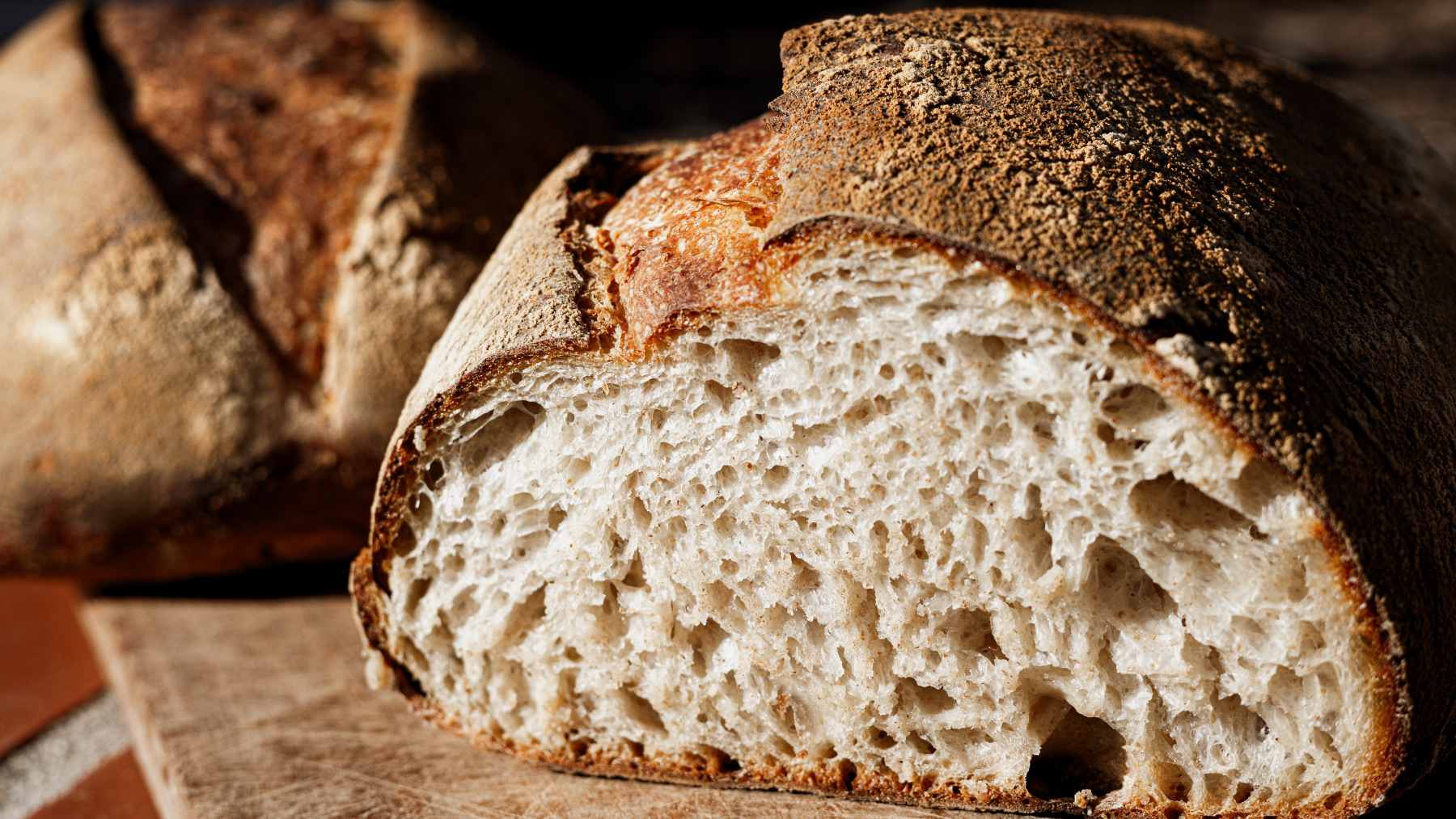
For years, sourdough bread has worn a kind of wellness halo. In cafés and on social media, it often appears as the “good bread” while plain white loaves are treated like the bad guy of the bakery aisle.
Now Spanish endocrinologist Francisco Rosero is challenging that idea, arguing that sourdough is still mostly starch with limited nutritional value and that the difference from white bread is smaller than many people think.
Rosero points to the numbers. Both white bread and typical sourdough provide roughly 55 grams of carbohydrate per 100 grams. Their calories are very similar and the fiber gap is small, around 4 grams for sourdough versus 2 grams for white bread.
He also notes that the glycemic index is close, with estimates around 60 for sourdough and 70 for white bread, meaning both can raise blood sugar relatively quickly. In practical terms, if you pile a few slices on your breakfast plate, your body still has to deal with a big load of fast digesting carbs, no matter which loaf you picked.
The endocrinologist is especially critical of using bread to break an overnight fast in people with metabolic issues such as diabetes, obesity or fatty liver. His message is simple. If your insulin and glucose levels are already a concern, starting the day with bread alone may not be the best choice, whether it is marketed as “artisanal sourdough” or not.
What current research says about sourdough
So is sourdough’s health reputation completely undeserved? The scientific picture is more nuanced.
Several small clinical trials suggest that sourdough bread can lead to smaller blood sugar spikes after a meal, especially when it is made with whole-wheat flour. Fermentation produces organic acids that slow starch digestion, which may help blunt the rise in glucose.
However, a recent critical review of human studies concluded that overall, sourdough has not yet shown clear, clinically relevant advantages for blood sugar control or other hard health outcomes when compared with conventional bread.
Glycemic index values tell a similar story. Some nutrition sources report average scores in the mid-fifties for sourdough and in the low-seventies for standard white bread, which would place sourdough in a lower glycemic category.
Yet research that tested people side by side found that responses vary a lot. In some volunteers, sourdough produced glucose curves very similar to, or even higher than, those seen with industrial white bread.
In other words, sourdough may be a somewhat better bet for blood sugar in many cases, but it is not a magic shield. The recipe, fermentation time and flour type all matter, and individual bodies do not react in exactly the same way.
Gluten, gut health and who needs to be cautious
Rosero also warns that sourdough remains a gluten containing wheat product and argues that our intestines do not handle gluten well.
Here, large reviews draw a clearer line. Gluten proteins are known to trigger intestinal damage and systemic symptoms in people with celiac disease, an autoimmune condition that requires strict lifelong avoidance of gluten.
There is also a condition known as non-celiac gluten or wheat sensitivity where people report digestive issues, fatigue or other symptoms after eating gluten containing foods, even though celiac disease and wheat allergy have been ruled out.
Researchers note that this syndrome is real for many patients but still poorly defined and may involve other components of wheat such as certain fermentable carbohydrates.
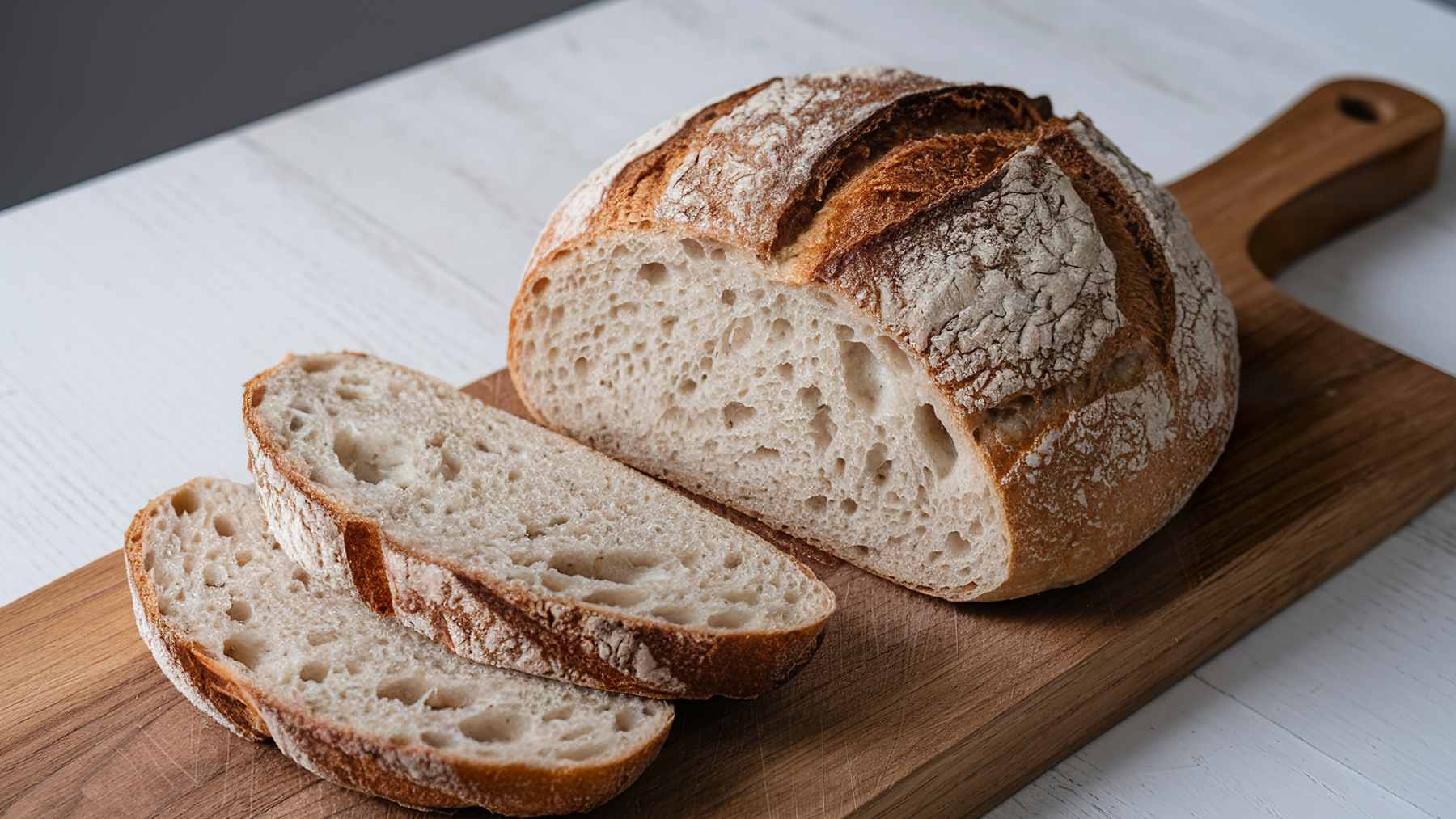
Where does sourdough fit into that picture? Long fermentation can partially break down gluten and reduce some of these fermentable components. Systematic reviews report that some specially-prepared sourdough breads with reduced gluten may cause fewer gastrointestinal symptoms in sensitive individuals compared with regular yeast breads.
Even so, the gluten reduction in ordinary bakery sourdough is usually modest and these products are not considered safe for people with celiac disease.
What this means for your morning toast
For most people standing in front of the bread shelf, the takeaway is more down to earth. Bread is still primarily a source of starch.
Choosing sourdough can offer some advantages such as slightly slower digestion and better mineral absorption, especially in recipes that use whole grains, points that are highlighted in recent work on sourdough fermentation and nutrition.
But experts generally stress overall diet quality, portions and what you eat with that bread.
If you have diabetes or a high risk of metabolic disease, many dietitians recommend limiting large servings of refined bread at breakfast and pairing any bread with protein, healthy fats and extra fiber to soften the blood sugar impact.
For everyone else, it may make sense to focus less on buzzwords and more on patterns. A small slice of whole grain sourdough with eggs and vegetables is a very different meal from several thick slices of white toast with sugary spread.
Rosero’s criticism highlights a real point. Sourdough is not a free pass to eat unlimited bread and still call it health food.
At the same time, current research suggests that well-made sourdough, especially from whole grains, can be one of the better options in the bread family when eaten in moderation and as part of a balanced plate.
The study that evaluated whether sourdough bread offers meaningful health benefits was published in Frontiers in Nutrition.