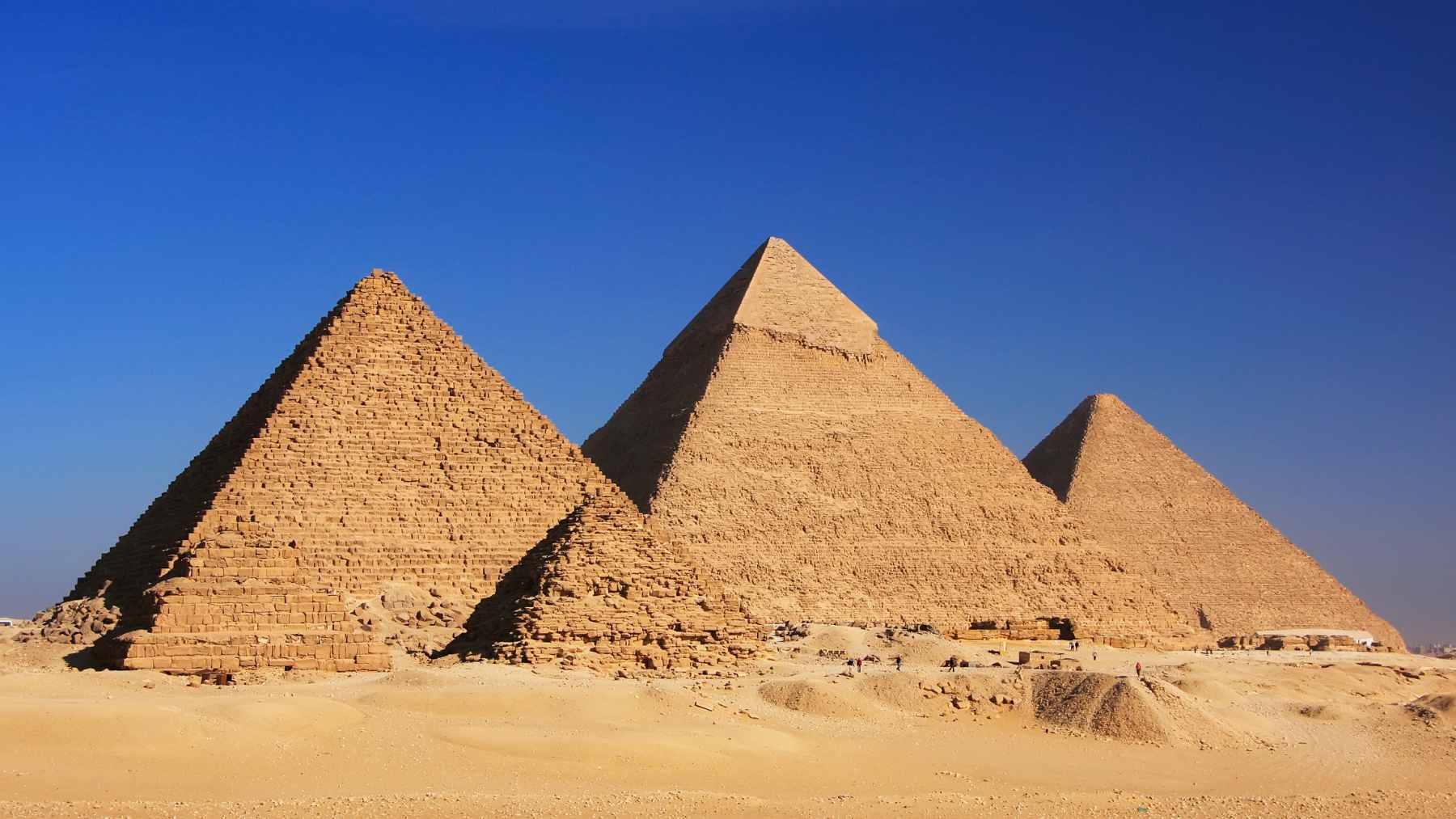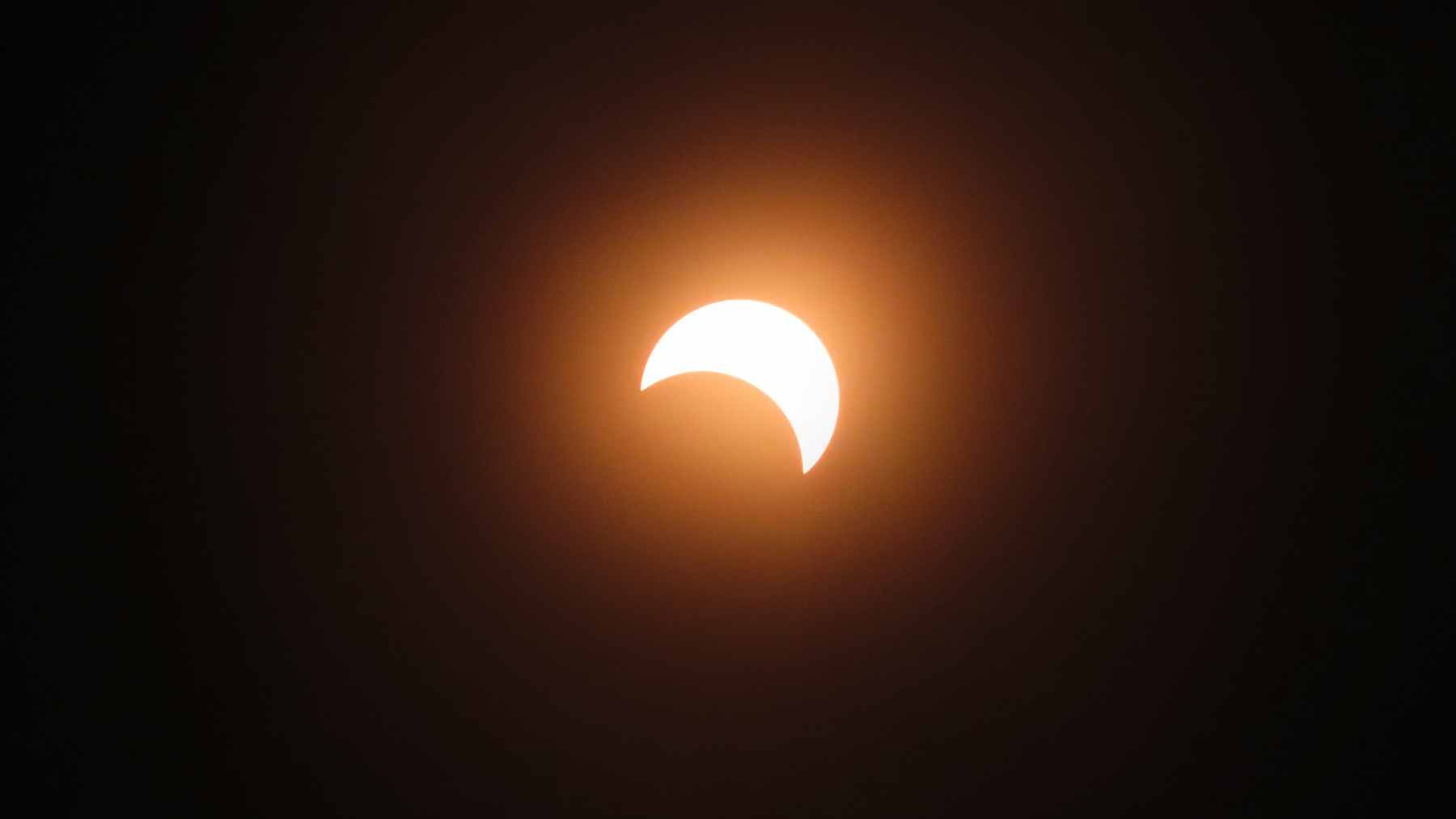
On August 2, 2027, midday will briefly look like midnight for millions of people from southern Europe to the shores of the Red Sea. A total solar eclipse will cross three continents, delivering a little more than six minutes of darkness near Luxor in Egypt.
Astronomers expect it to be the longest stretch of totality visible from land until at least the year 2114.
In practical terms, the Moon will cover the Sun long enough for the pale solar corona to appear and for the air to cool in an eerie midday twilight.
Where the sky will go dark
The path of totality starts over the Atlantic Ocean, crosses the Strait of Gibraltar, then runs through southern Spain, North Africa and the Middle East before ending over the Indian Ocean. On land it first reaches coastal Spain, including Cádiz and Málaga, then cuts across desert regions and the Nile Valley before heading toward the Arabian Peninsula.
Europe’s only stretch of totality lies in that narrow slice of southern Spain, so the rest of the continent will see only a partial eclipse. Timeanddate.com calculates that a partial eclipse will also be visible across almost all of Africa, western and southern Asia and the far eastern tip of North America, including a small corner of Maine.
Why this eclipse lasts so long
In recent decades, totality has ranged from just over four minutes in the April 2024 North American eclipse to almost seven minutes in the famous 1991 event over the Pacific Ocean and Central America. The 2027 eclipse sits between those two in duration but stands out because of its especially favorable geometry.
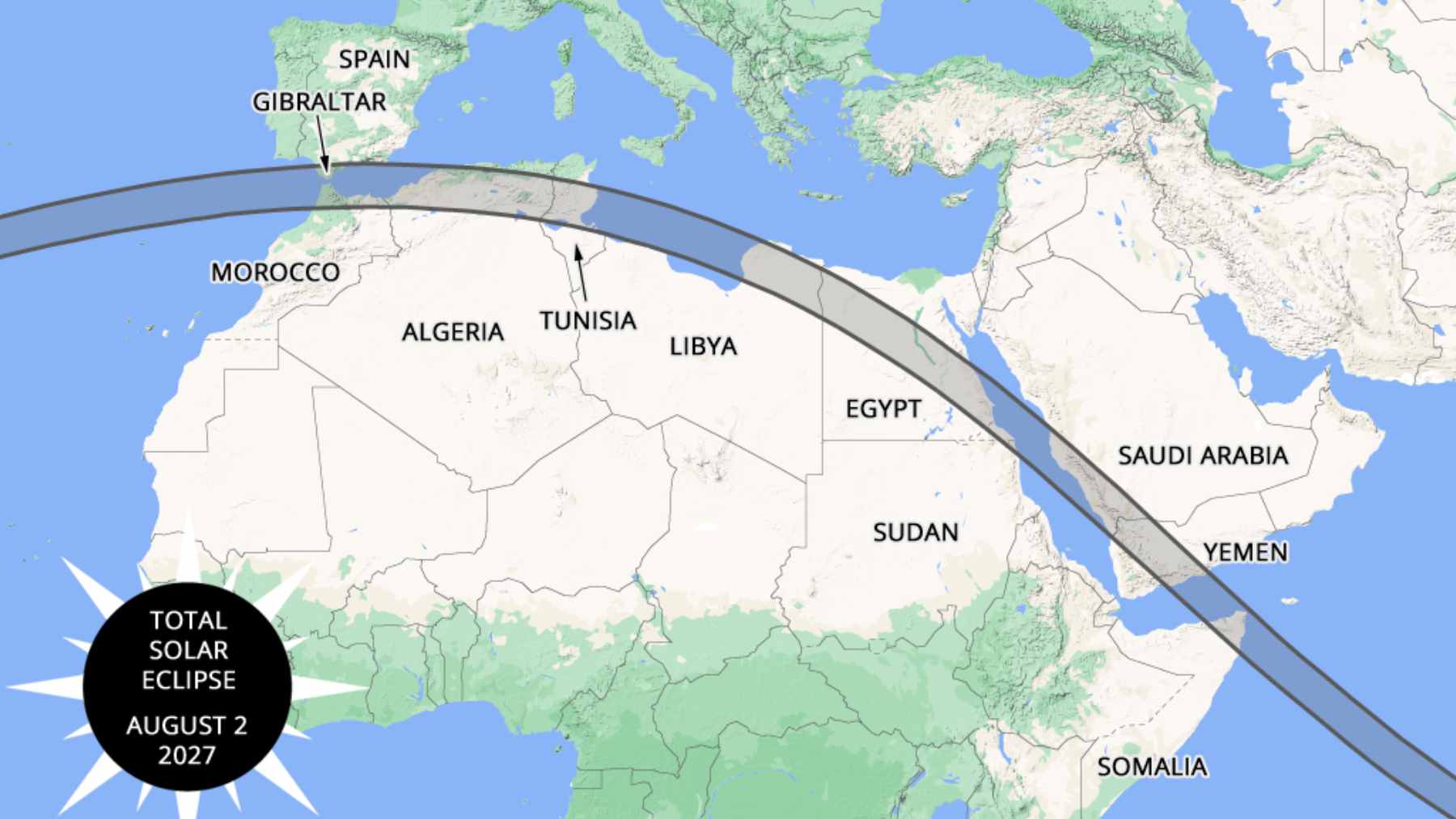
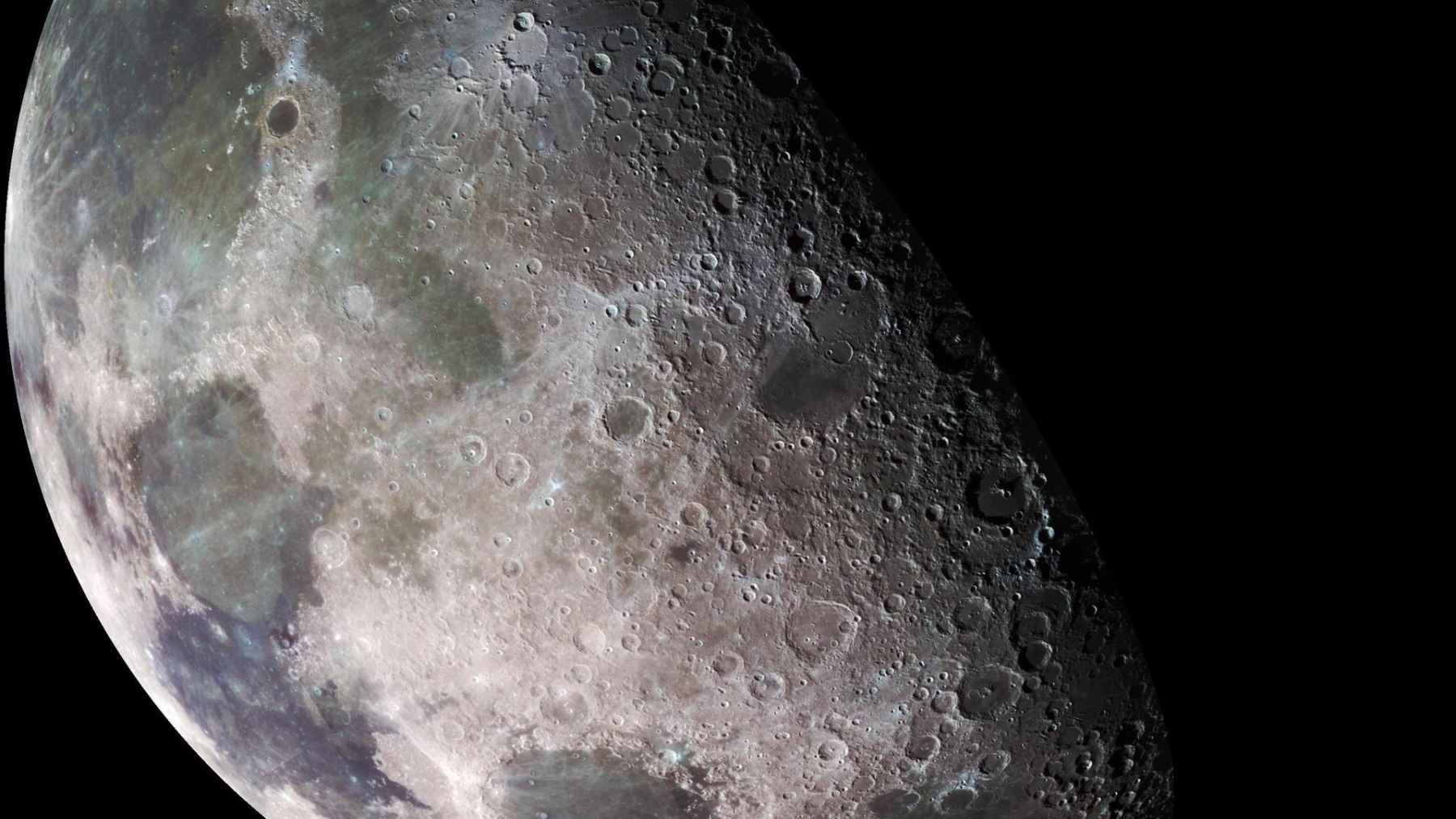
The Moon will be near its closest point to Earth, while Earth will be slightly farther from the Sun than average. The Moon looks a bit larger, the Sun a bit smaller, and the shadow on Earth grows wider and lingers longer. Near the Nile Valley, totality is expected to last roughly six minutes and a little over twenty seconds.
Heat, clear skies and safe viewing
Climate records suggest that much of the North African track enjoys very low cloud cover in early August, particularly in eastern Libya and Egypt, although dust, haze and triple digit heat are likely.
Wherever you are, the safety rules still apply. NASA reminds observers that it is only safe to look at the Sun with the naked eye during the brief moments when it is completely covered and totality has truly begun.
For all partial phases, and for everyone watching from outside the path, you need certified solar viewers or indirect methods such as pinhole projection.
For now, the 2027 eclipse is still just a date on the calendar. Soon enough, though, it will be a sudden twilight that sweeps across beaches, deserts and ancient cities, then vanishes as quickly as it arrived.
The official eclipse predictions were published on NASA’s Eclipse Web Site.