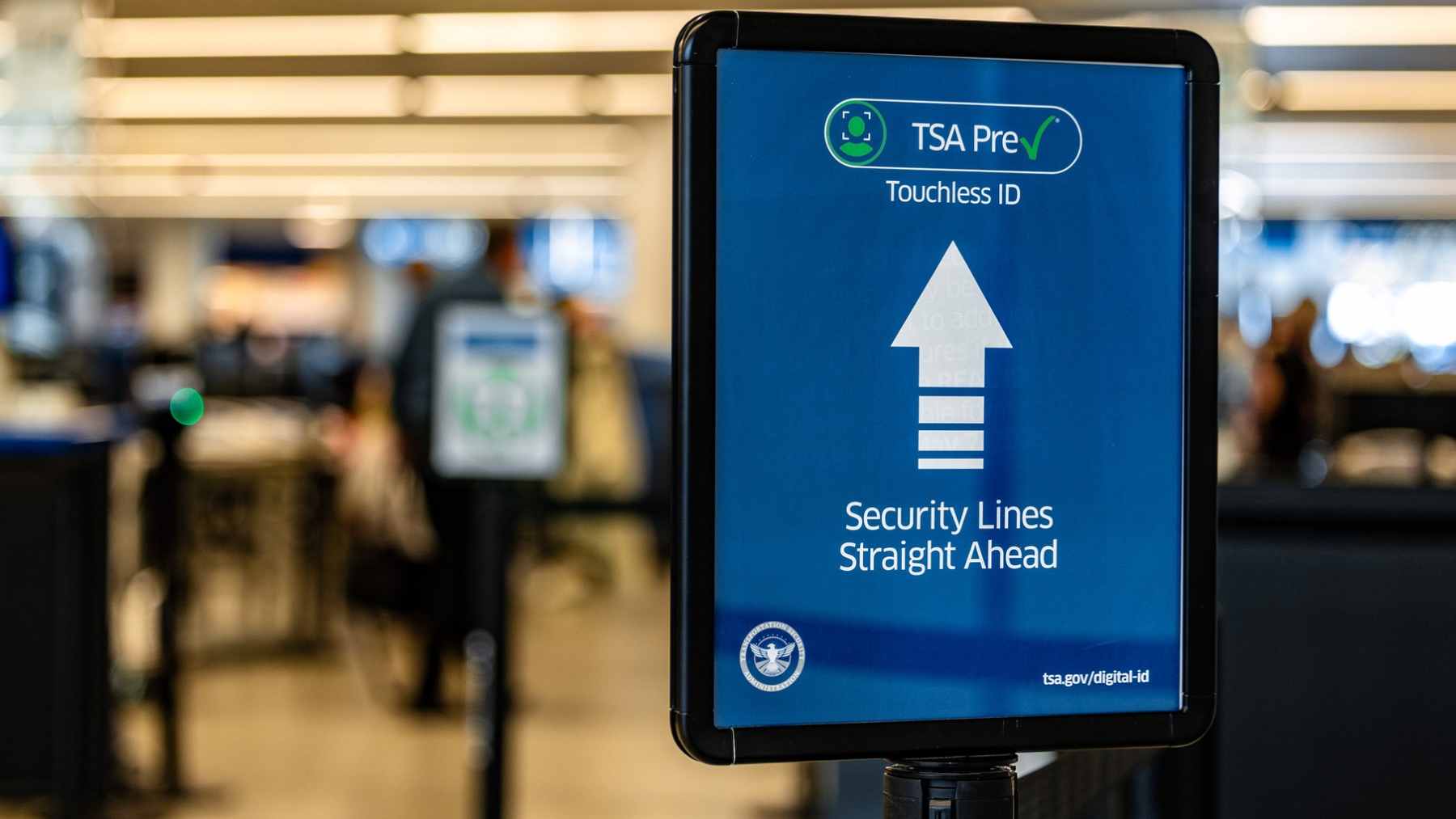
Starting February 1, 2026, travelers in the United States who show up at an airport checkpoint without a Real ID, passport, or another approved ID will have to pay a $45 fee if they still want to clear security.
The new charge funds the TSA ConfirmID program, which attempts to verify a traveler’s identity on the spot so they can still board a flight.
The change comes from the Transportation Security Administration as part of the long delayed rollout of federal Real ID rules that tighten identification standards after the September 11 attacks.
If you have a compliant license or another acceptable document, nothing changes for you. If you do not, getting through security may suddenly cost as much as a checked bag.
At the end of the day, this is about who pays for the extra work when someone reaches the conveyor belt without proper ID. Until now, those extra checks were covered by taxpayers as a whole. Under ConfirmID, the agency is shifting that cost to the traveler who needs the extra help.
How the $45 ConfirmID fee works
ConfirmID is an expanded version of the old process that helped people who forgot a wallet or had an ID stolen on the way to the airport. A traveler fills out an online form, pays $45, and then TSA uses databases and personal questions to try to confirm who they are. If the agency is satisfied, the person can move on to the X-ray machines with everyone else.
The fee covers a ten-day travel window. That means if you pay for a round trip that begins within those ten days, you can use the same payment for both legs. If you fly again outside that window and still do not have an acceptable ID, you would need to pay again.
TSA’s own guidance says identity verification is not guaranteed, so even after paying, you could be turned away if officers cannot confirm your identity.
Travelers can pay ahead of time through the ConfirmID portal on TSA’s website instead of trying to tap a phone or a card in the middle of a crowded line. Payment is accepted by major cards and popular digital options, and the receipt must be shown at the checkpoint along with whatever non-compliant ID or documents the traveler has.
Officials warn that doing everything at the airport could add as much as thirty minutes to the screening process, which is the last thing anyone wants when a boarding group is already lining up.
Who will actually pay this fee
For most people, this rule will never come into play. TSA says more than 9 out of 10 passengers already present an acceptable ID such as a Real ID license, state issued ID card, US passport, passport card, or certain trusted traveler cards like Global Entry.
Permanent resident cards, border crossing cards, some military IDs, and approved digital wallets such as Apple Wallet and Google Wallet versions of state IDs are also on the list.
The fee hits a much smaller group. That includes people whose IDs are lost or stolen just before a trip, those in states where Real ID lines are still backed up, and travelers who simply did not realize their standard license no longer qualifies. For them, the choice becomes pay $45and hope the system can verify you, or miss the flight.
Critics see it as a kind of late fee on forgetfulness. Supporters argue it is fairer for non-compliant travelers to cover the additional work themselves instead of spreading that cost to everyone who already followed the rules.
A new phase in shifting airport rules
Airport security has already been changing in other ways. In 2025 federal officials began scaling back the long-standing shoes off rule for many travelers and updated restrictions around certain batteries and personal devices. The Real ID deadline took full effect in 2025 and ConfirmID is the next step that ties those ID standards directly to your experience on the conveyor belt.
If you have ever rushed to a checkpoint after sitting in traffic or waiting in a check in line, you know how fragile those last few minutes can feel. Adding a surprise $45 paywall and extra questioning on top of that could easily tip a stressful morning into a missed flight. That is one reason TSA and outside travel experts keep repeating the same advice.
How to avoid paying the fee
In practical terms, there are a few simple steps that help most travelers steer clear of ConfirmID. First, check your wallet well before a trip and upgrade to a Real ID compliant license or ID card if you have not already done so.
States issue these cards with a star symbol and the process often requires original documents such as a birth certificate, Social Security proof, and proof of address, so it is worth planning ahead.
Second, if you know you will not have an acceptable ID in time, you can decide whether the $45 fee is worth it for that particular trip. Paying online in advance and printing or saving your receipt helps avoid fumbling through apps at the checkpoint. Building in extra time at the airport matters too, since secondary identity checks move more slowly than simply flashing a license and walking on.
Finally, remember that ConfirmID is a safety net, not a guarantee. Keeping a valid passport, Real ID, or another approved document handy is still the easiest way to glide through security, keep your travel budget under control, and avoid one more headache on the way to the gate.
The official statement was published by the Transportation Security Administration.