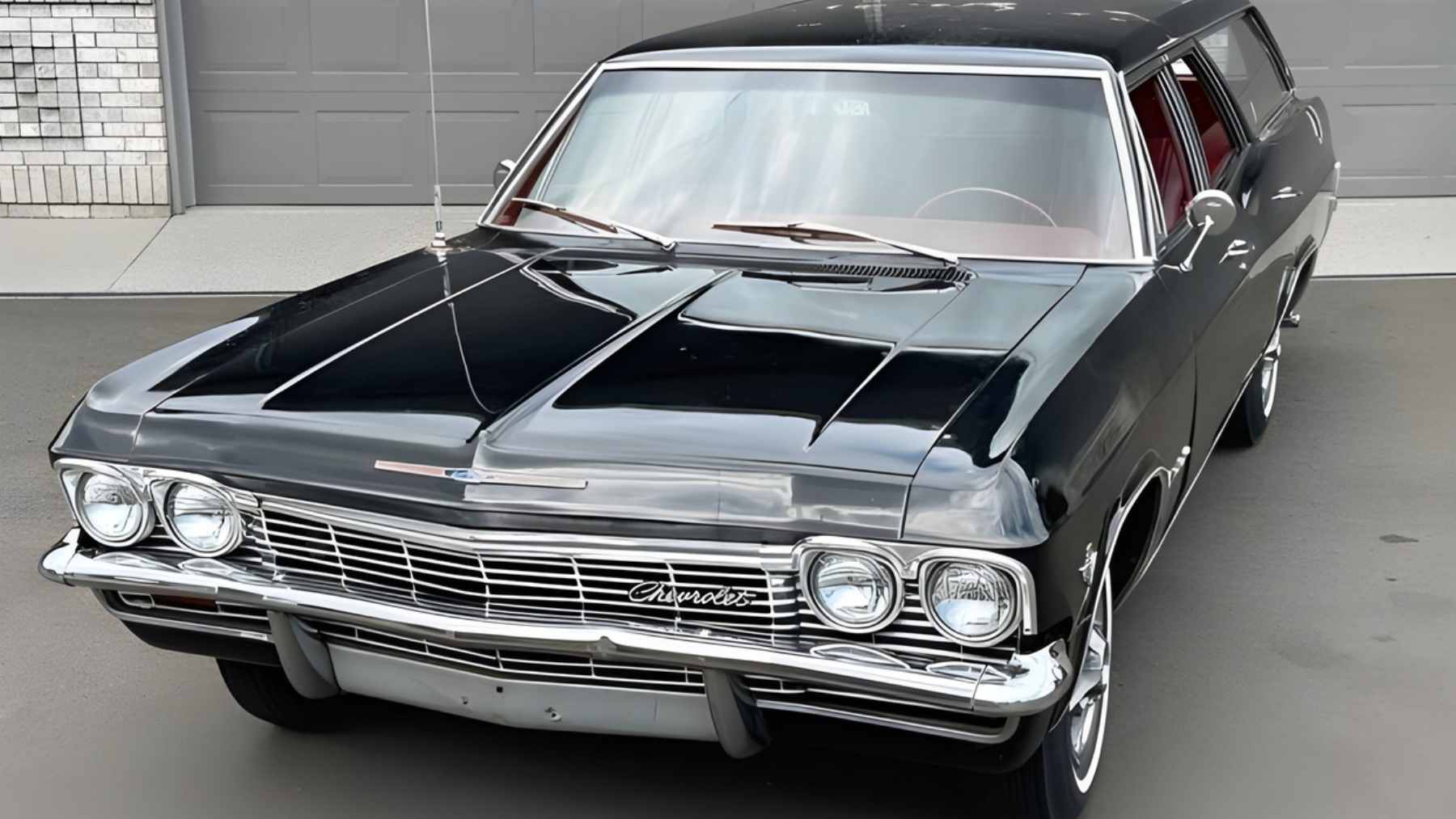
Hidden in a barn in Moscow, Pennsylvania, a 1965 Chevrolet Impala wagon sat untouched for forty two years. When the doors finally opened, collectors saw a rare big block time capsule, one of only eighty two Impala wagons built with the 409-cubic-inch engine in 1965.
At first glance it is simply a dream find for muscle car fans. So what does this barn find have to do with climate change? Look a little closer and it also tells a quiet story about how quickly America embraced big, thirsty engines at a time when gasoline was cheap and the climate crisis was barely mentioned.
Chevrolet sold more than one million Impalas that year, so even if only a small fraction carried the 409, millions of large gasoline sedans and wagons were on the road.
A time capsule from the age of cheap gasoline
Owner reports compiled on fuel-tracking sites suggest many mid-sixties Impalas return around thirteen miles per gallon in mixed driving. By comparison, the United States Environmental Protection Agency estimates that the average gasoline passenger vehicle on the road today achieves about twenty two miles per gallon and emits roughly 4.6 metric tons of carbon dioxide per year.
If a classic Impala with similar fuel use were driven the same distance in a year, its exhaust would release close to eight metric tons of carbon dioxide. That is roughly two-thirds more than the modern average, just to keep one car moving between work, school, and the supermarket.
Where the real climate impact sits
Transport represents around 15% of global greenhouse gas emissions, and about 72% of that comes from road traffic. Passenger cars and vans are responsible for more than 60% of road emissions, ahead of trucks and buses, which means everyday driving does most of the climate damage in this sector.
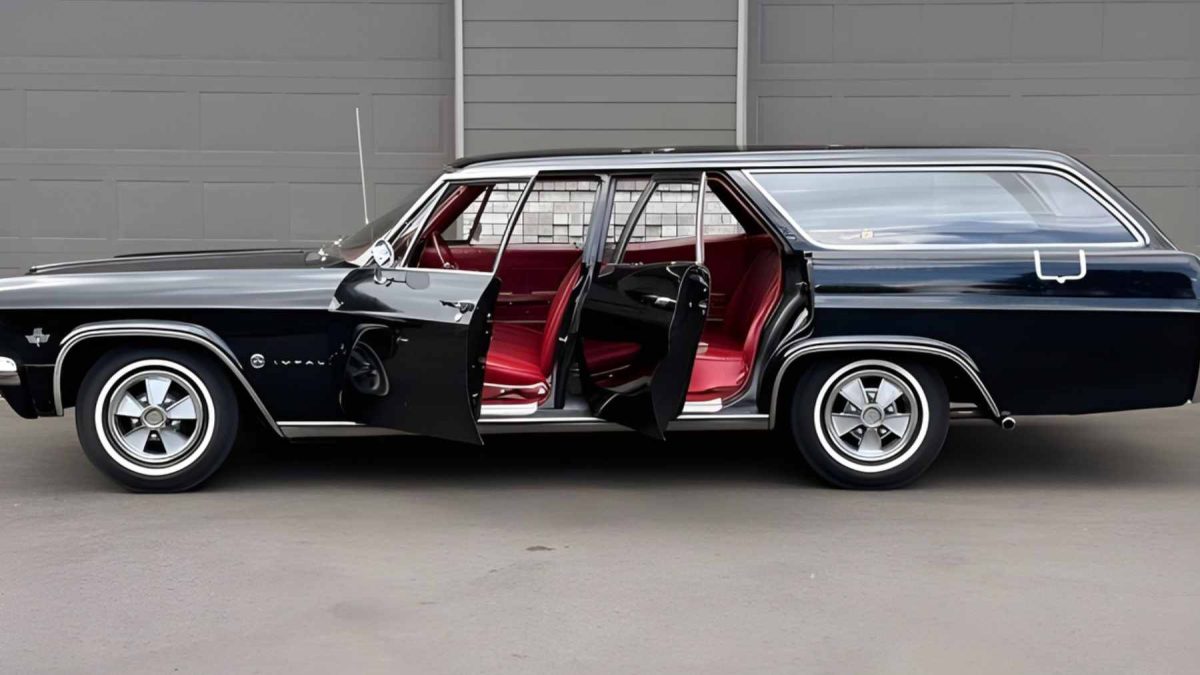
In other words, the family car in the driveway matters far more for the climate than a rare wagon that appears a few weekends a year. The resurrected Impala has added only about three hundred miles since it was pulled from storage, a distance many commuters cover in a single week.
For the most part, that makes classic cars a very small slice of the emissions pie, while crowded highways, city smog alerts, and the familiar line of brake lights at rush hour reflect the bigger problem.
Cleaner choices for the next sixty years
When people replace an older gasoline car, climate researchers increasingly point to battery electric models as the lowest-emission choice over a vehicle’s full life.
A recent analysis by the International Council on Clean Transportation finds that battery electric cars sold in Europe have life-cycle greenhouse gas emissions nearly four times lower than comparable gasoline cars, around 73% less on average, with even larger cuts when they run on cleaner electricity.
Regulators are nudging the market in that direction. The United States Environmental Protection Agency reports that model-year-2023 vehicles reached record performance with average tailpipe emissions around 319 grams of carbon dioxide per mile and fuel economy near twenty seven miles per gallon, an improvement of more than 30% since the mid-2000s.
At the end of the day, the Impala in the barn is a reminder of where our car culture came from. The real climate choice sits with the vehicles we start every morning, the bus lines and bike lanes we support, and the trips we decide to skip when going on foot is possible.
The study was published by the International Council on Clean Transportation (ICCT).