If artificial intelligence can already write emails, summarize meetings, and even draw logos, what is left for humans. For Jeff Bezos, the answer is clear. The workers who stay most valuable are the ones who can actually invent new things.
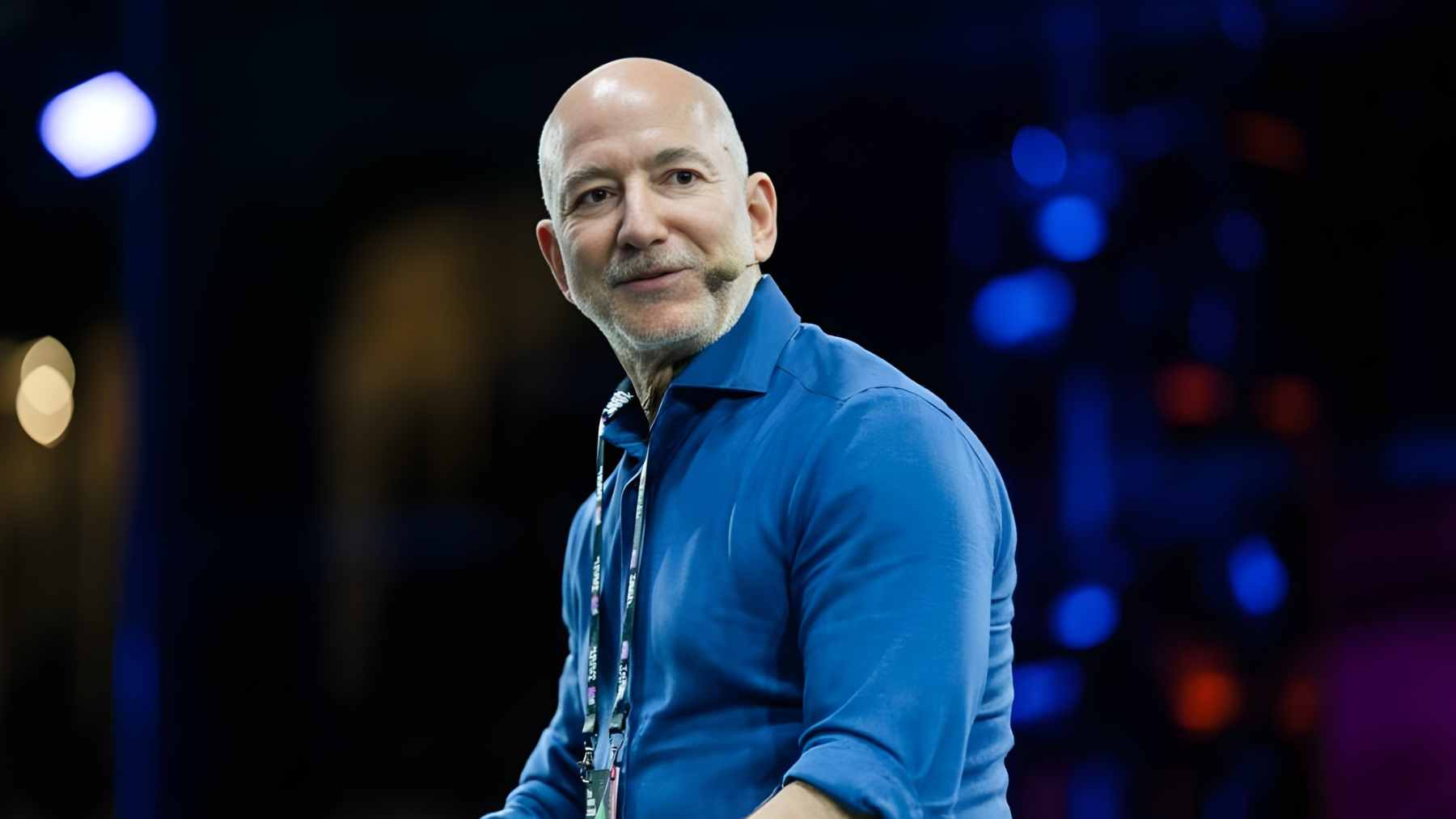
Speaking at Italian Tech Week in Turin, he argued that AI may flood every industry, but it will not replace people who can create and imagine.
Bezos also told the audience that AI is already in what he called an industrial bubble, with huge sums chasing every idea. Even so, he insisted the technology is real and will eventually raise quality and productivity in almost every company.
That combination of hype and genuine change is exactly what has workers watching their paychecks and wondering which side of the line they will fall on.
From a Texas ranch to tech hiring
To explain his obsession with inventors, Bezos went back to a childhood memory. One summer on his grandfather’s ranch in Texas, the pair spent weeks repairing a broken bulldozer. When they needed a crane, they built one themselves.
That experience, he said, taught him the value of practical inventiveness and solving problems with whatever you have on hand.
Decades later, he says he still sees himself as an inventor who loves filling a whiteboard with ideas. In job interviews for Amazon or Blue Origin, he asks candidates for a concrete example of something they have invented. The goal is not a patent. It can be a new process on a warehouse floor or a clever way to fix a recurring problem at work.
He also joked that he is more worried about two young people in a garage building something new than about the big competitors he already knows. Inside his companies, that view became culture. Employees who dislike experimentation or who avoid ideas that might fail tend not to stay long.
Do the numbers back him up
Global data suggests his instinct is not just billionaire folklore. The World Economic Forum’s Future of Jobs Report 2025 estimates that 170 million jobs will be created this decade while 92 million will be displaced, a net gain of 78 million roles. Employers also expect nearly 39 percent of key skills to change by 2030, with creative thinking and resilience among the fastest-rising abilities.
At the same time, analysis from the OECD finds that occupations at highest risk of automation represent close to a third of jobs in member countries, and warns that many training programs still overlook complementary skills such as communication and creativity.
That means routine work is under pressure, while roles that mix technical know-how with human judgment and original problem solving are gaining importance.
What being an inventor looks like for everyday workers
So what does it actually mean to be the kind of worker Bezos thinks AI cannot replace? It does not require founding a startup or filing a patent. In practical terms, it means treating your job as something you can redesign.
That could be a nurse who rearranges a shift handoff to cut errors, a mechanic who documents a faster repair method, or an office worker who uses AI tools to clear drudge work and then proposes a better customer script.
Current Amazon chief executive Andy Jassy summed it up by saying that knowledge can be taught, while the willingness to learn and reinvent yourself has to come from within. In a world where AI is learning many standard tasks, that mindset looks less like a slogan and more like a survival skill.
At the end of the day, Bezos’s message is not that everyone must become a genius, but that curiosity, creativity, and the courage to try new solutions are becoming the real job security. The full transcript of his Italian Tech Week conversation was published on The Singju Post.
The study was published on the World Economic Forum site.