Everyone talks about gold and silver, yet the metal quietly running modern life is far less glamorous. Near Salt Lake City in Utah, a vast open pit called the Kennecott mine digs up something you rarely notice but use all day long. That hidden metal is copper.
From artificial intelligence to clean-energy projects, demand for copper is rising faster than experts expected. As warnings of shortages grow louder, this century old “monster mine” looks less like a relic and more like critical infrastructure.
The metal behind screens, plugs, and power lines
On the surface, our world feels digital and weightless. You tap a phone screen, stream a movie, or ask an online assistant a question, and the answer just appears. Behind that smooth moment sits a thick web of copper wires carrying electricity.
Copper is one of the best conductors of electricity, which is why it fills wires in walls, power lines, and motors in everyday appliances. If your electric bill keeps climbing, more copper is probably working out of sight to move power around your home.
When copper demand starts to outrun supply
For years, mines and smelters roughly kept up with demand, so copper stayed in the background of economic planning. That balance is shifting as electric vehicles, clean energy systems, and stronger power grids all compete for the same metal. A recent global energy analysis estimates that even with projects already on the books, copper production may cover only around 70% of what the world will need by 2035 in a clean-energy transition.
Forecasts for the near future point in the same direction. The International Copper Study Group expects the refined copper market to swing into a deficit of 150,000 metric tons in 2026, after a brief surplus, as mine disruptions and lower ore grades limit output.
A century old pit with twenty million tons behind it
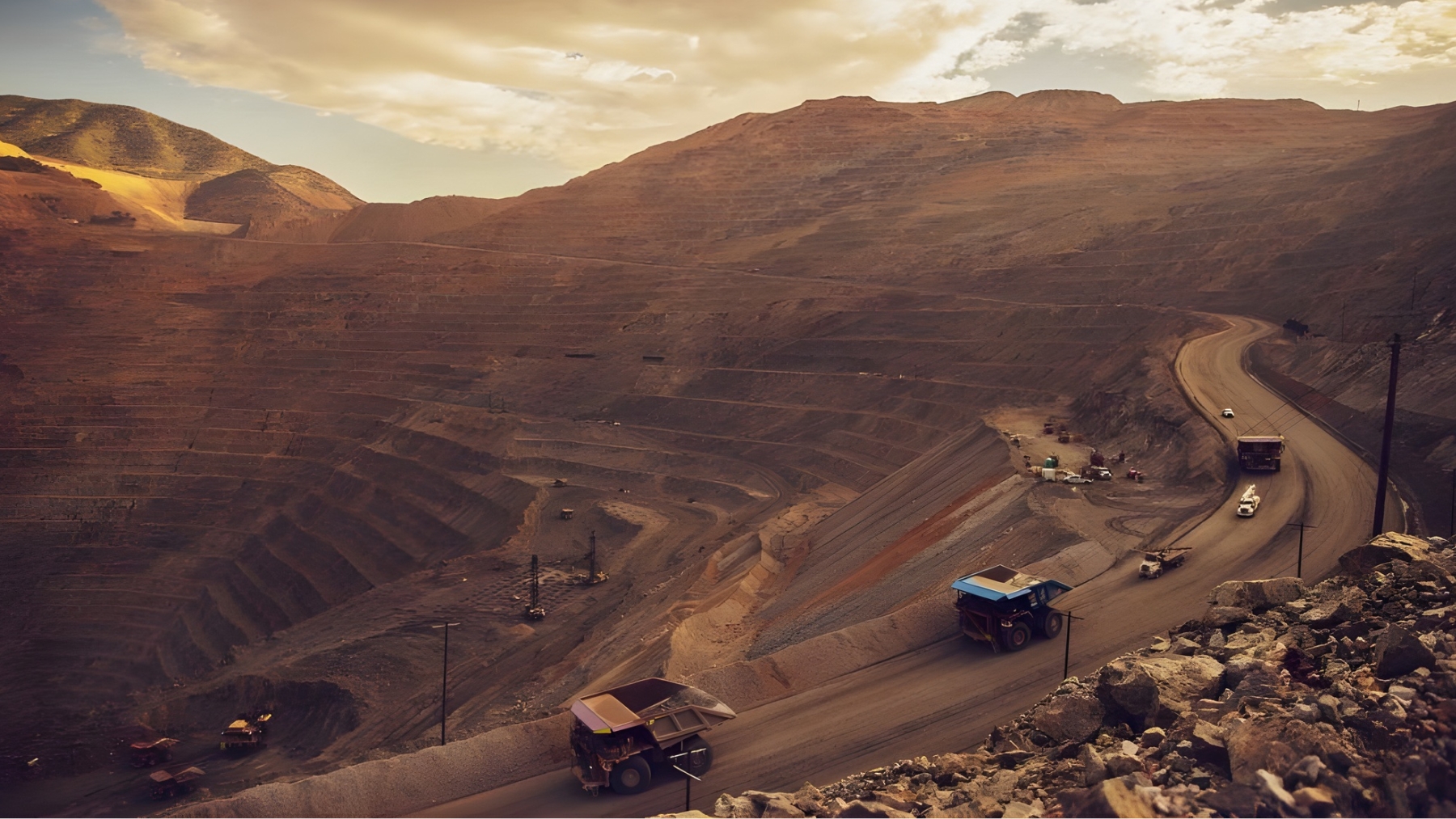
That is where Kennecott comes in. Just outside Salt Lake City, in the Oquirrh Mountains, the Bingham Canyon open pit run by Rio Tinto Kennecott is one of the largest copper mines in the world and has been working for more than a century, producing nineteen million tons of copper, enough to supply homes, factories, and power lines worldwide.
The pit is so wide and deep that it ranks among the largest human-made excavations and can even be seen from space. Kennecott has produced hundreds of thousands of tons of copper a year along with gold and silver, and it recently added solar power at the site to cut its emissions.
AI data centers are the new copper hungry giants
The boom in artificial intelligence adds another layer of pressure. Analysts note that large AI data centers can use about thirty tons of copper for every megawatt of capacity, so huge sites that reach 150 megawatts may need thousands of tons of the metal.
On top of that, those new facilities need transmission lines to connect them to power plants and renewables. That means more copper in high-voltage lines that cross the countryside and in urban cables that keep city lights on during heat waves when everyone turns up the air conditioning. What happens if that copper does not show up on time?
A quiet metal with loud consequences
The story of this monster mine highlights a bigger truth about modern technology. The future we imagine, with smart homes, cleaner cars, and constant connectivity, still depends on old fashioned materials dug from the ground, and copper sits near the center of that chain.
Experts argue that boosting supply will require faster permitting, clear rules for companies, and careful work with communities near new projects, along with more recycling from old buildings and electronics. For most of us, the choices show up in small ways, from backing grid upgrades in local debates to remembering that the phone in our pocket traces back to a mine cut into a mountain.
The main analysis on copper and the energy transition has been published by the International Energy Agency.