For years people have joked that cockroaches would inherit the planet after humans disappear. Yet according to astrophysicists, the true champion of the end times is much smaller and far tougher.
A 2017 collaboration between University of Oxford and Harvard University suggests that microscopic tardigrades, also called water bears, could outlive almost any catastrophe that leaves the oceans in place.
Our planet has already been through some brutal tests. Life on Earth has persisted for billions of years, surviving at least five mass extinctions.
The worst one, at the end of the Permian period around 250 million years ago, wiped out the vast majority of species yet still failed to erase every living thing. That history hints at a basic truth about nature. Complex creatures are fragile. Simple ones are stubborn.
What makes tardigrades so hard to kill
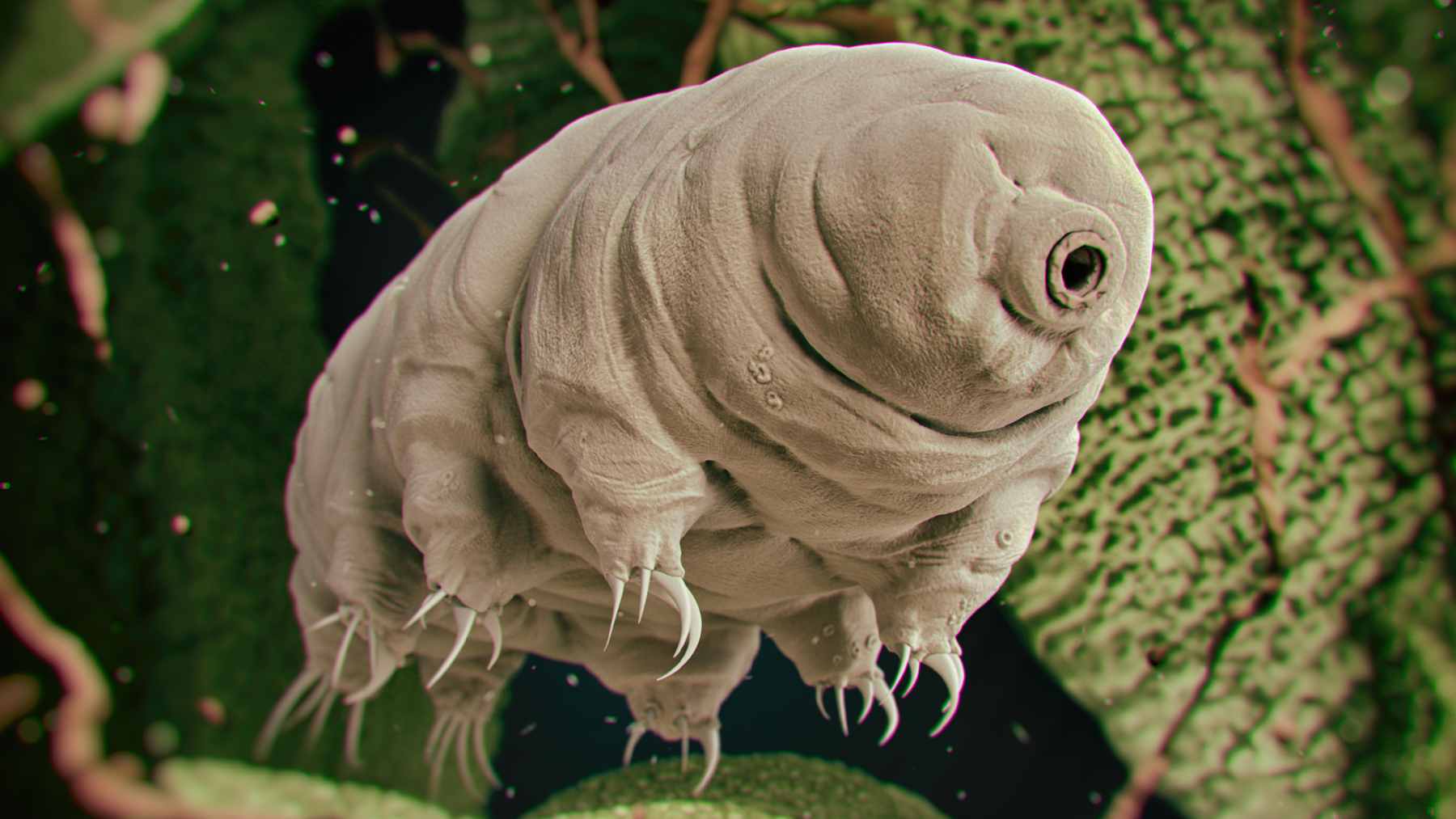
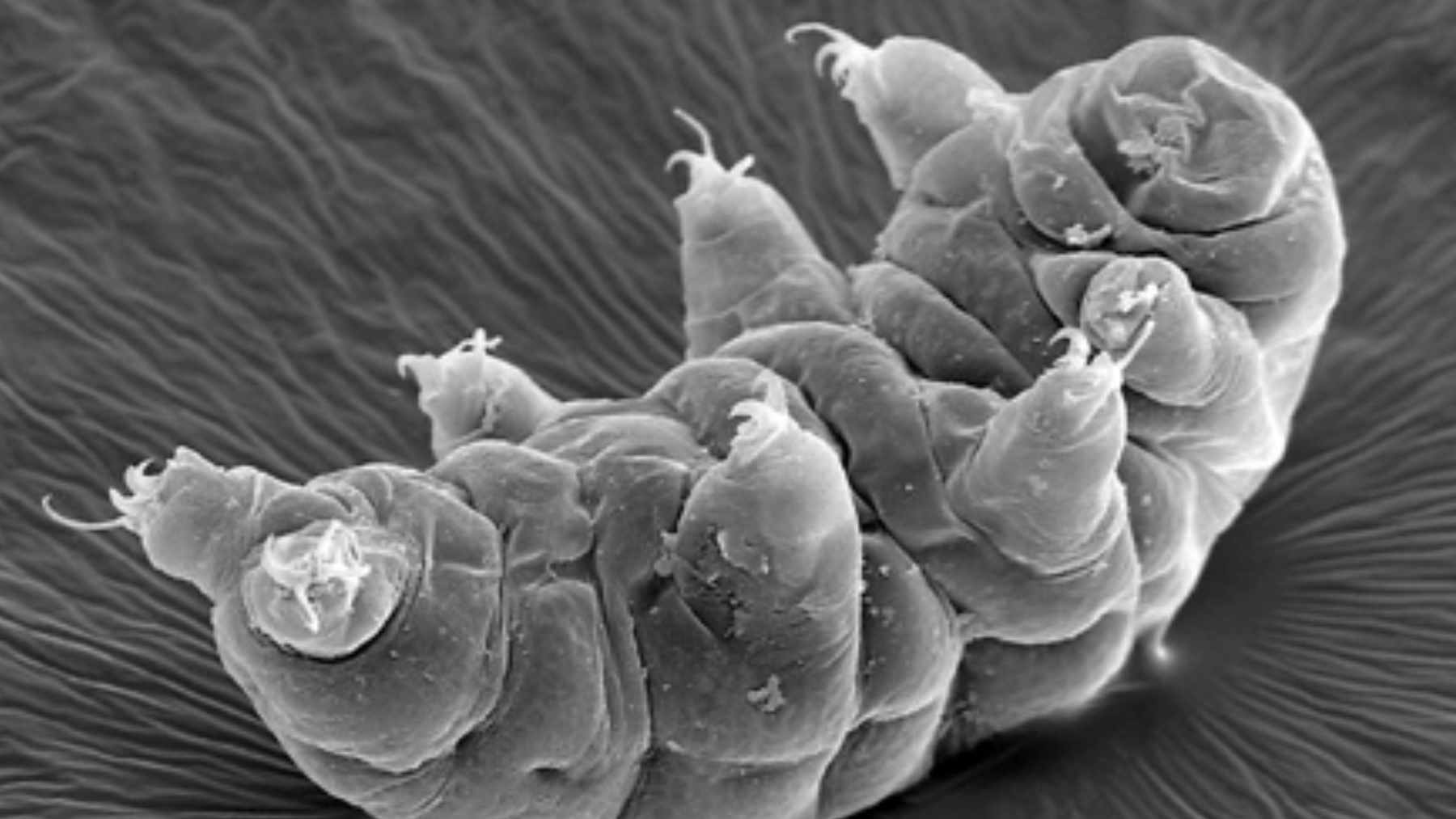
Tardigrades are tiny eight-legged animals that usually live in films of water on moss, in soil, or in the ocean. Under a microscope they look almost cartoonish.
In reality they are extreme survival experts. Experiments show that some species can tolerate brief exposure to temperatures near absolute zero as well as scorching heat close to the boiling point of water. They endure crushing pressures, intense radiation, and even the vacuum of space by curling into a dried-out “tun” state that almost shuts down their metabolism.
You could lose power worldwide, freeze the surface in a nuclear winter, or darken the skies with asteroid dust. Most mammals, birds, and fish would be gone. Tardigrades tucked into deep water or damp sediments might barely notice.
Cosmic catastrophes and the boiling ocean test
The Oxford Harvard team set out to ask a stark question. What would it take to kill every last tardigrade on a world like ours? To do that, they calculated how energetic different disasters would need to be in order to boil all of Earth’s oceans. Only then would water bears finally run out of hiding places.
They examined three main threats from space. Giant asteroid impacts, nearby supernova explosions, and powerful gamma ray bursts. The numbers were sobering but oddly reassuring.
Asteroids large enough to vaporize the oceans are exceedingly rare and none of the known candidates is on a collision course with our planet. Nearby stellar explosions or gamma ray bursts with the required power are also extremely unlikely within the lifetime of our star.
In everyday terms that means your grandchildren have far more to fear from climate change, pollution, or war than from a rogue gamma ray burst. For tardigrades, though, even many cosmic disasters look like bad weather rather than the end of the world.
A resilient planet with an expiration date
There is a limit to this resilience. In roughly five billion years the Sun is expected to swell into a red giant, flooding the inner solar system with heat and likely stripping away the oceans entirely. At that point even water bears would finally lose their refuge. Until then, the idea that such a tiny creature could quietly outlast humanity is a humbling reminder of how tenacious life can be once it appears.
The study was published in Scientific Reports.