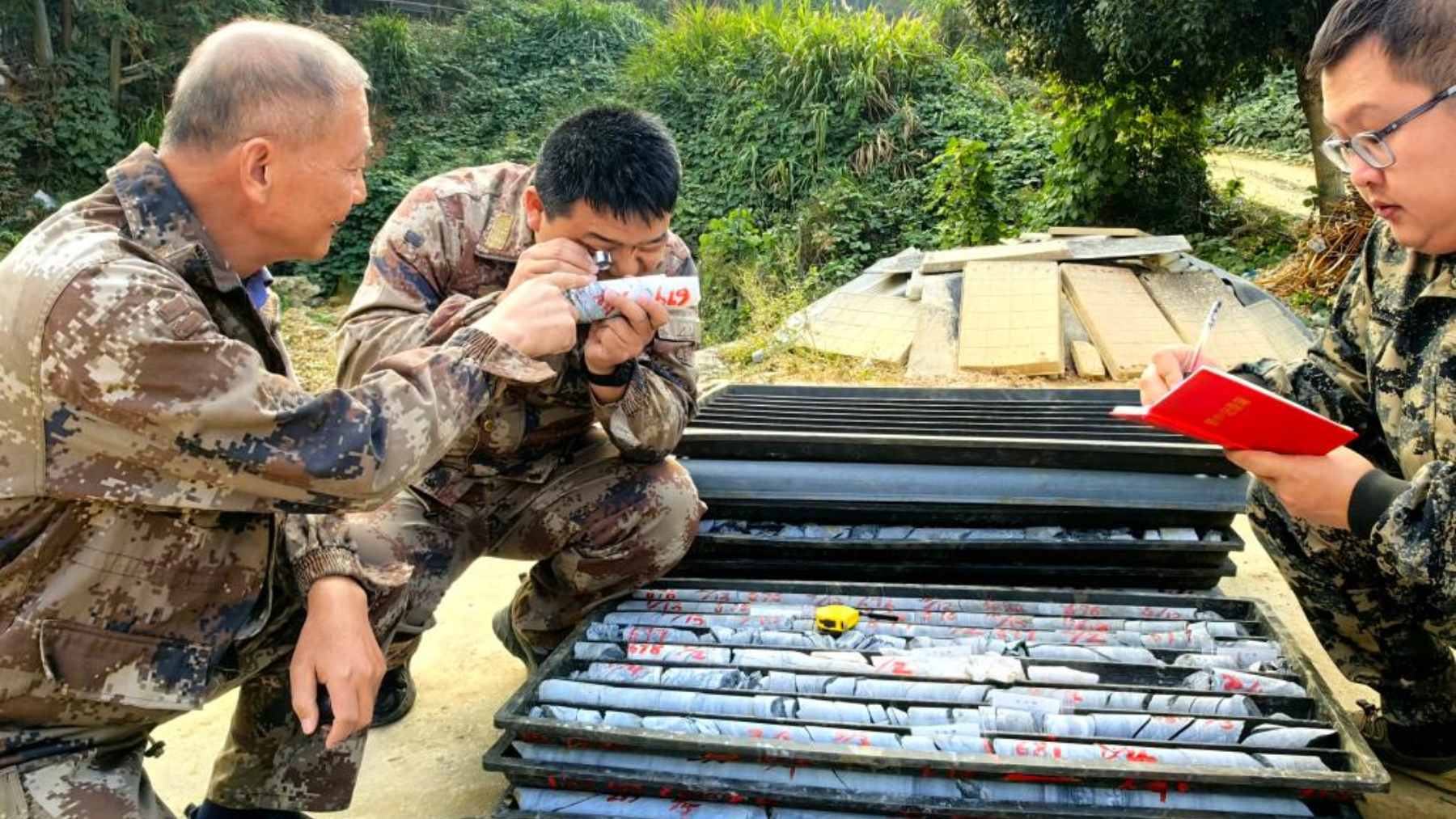
Geologists in central China say they have uncovered a “supergiant” stash of gold hidden deep beneath the Wangu gold field in Hunan province. Early estimates suggest the underground deposit holds more than 1,000 metric tons of gold worth around $85.9 billion, which would make it one of the largest ever recorded.
Chinese officials caution that these figures are still preliminary, based on drilling samples and computer models rather than full mine plans. Even so, the mix of sheer volume and unusually rich ore has already put this quiet corner of Pingjiang County on the global mining map.
So what exactly is buried under this ordinary-looking field, and why are traders and geologists paying so much attention?
A buried gold field beneath rural Hunan
The new deposit lies beneath an existing gold operation in the Wangu field, a landscape of forested hills and villages that hardly looks like the site of a potential record breaker. The Geological Bureau of Hunan Province reports more than forty gold bearing veins down to about 2,000 meters below the surface, mapped through deep drilling.
Within that upper zone alone, officials say there are roughly 300 metric tons of confirmed gold reserves. Extending the models down to 3,000 meters pushes the estimate above 1,000 tons with a total value near 600 billion yuan, or about $85.9 billion at recent exchange rates. That is a lot of gold.
Why geologists call it a “supergiant”
In mining shorthand, a supergiant deposit is one that crosses roughly the one thousand ton threshold for contained metal and often stretches across several connected ore bodies.
Early readings from Wangu suggest it meets that definition, although geologists emphasize that only further drilling and economic studies can confirm how much of the resource is truly recoverable.
Grade, or how much gold is packed into each ton of rock, makes the find stand out even more. While many underground mines are happy with eight grams of gold per metric ton, core samples from Wangu have reached up to 138 grams per ton.
Ore prospector Chen Rulin told state media that “many drilled rock cores showed visible gold” as teams used new three-dimensional modeling tools to track fresh veins around the field.
China’s gold hunger and global markets
China already sits at the top of the league table for mine production, supplying about one tenth of global newly mined gold in recent years. Yet it still consumes far more than it produces, using roughly three times as much gold as it mines each year and relying on imports from countries such as Australia and South Africa to close the gap.
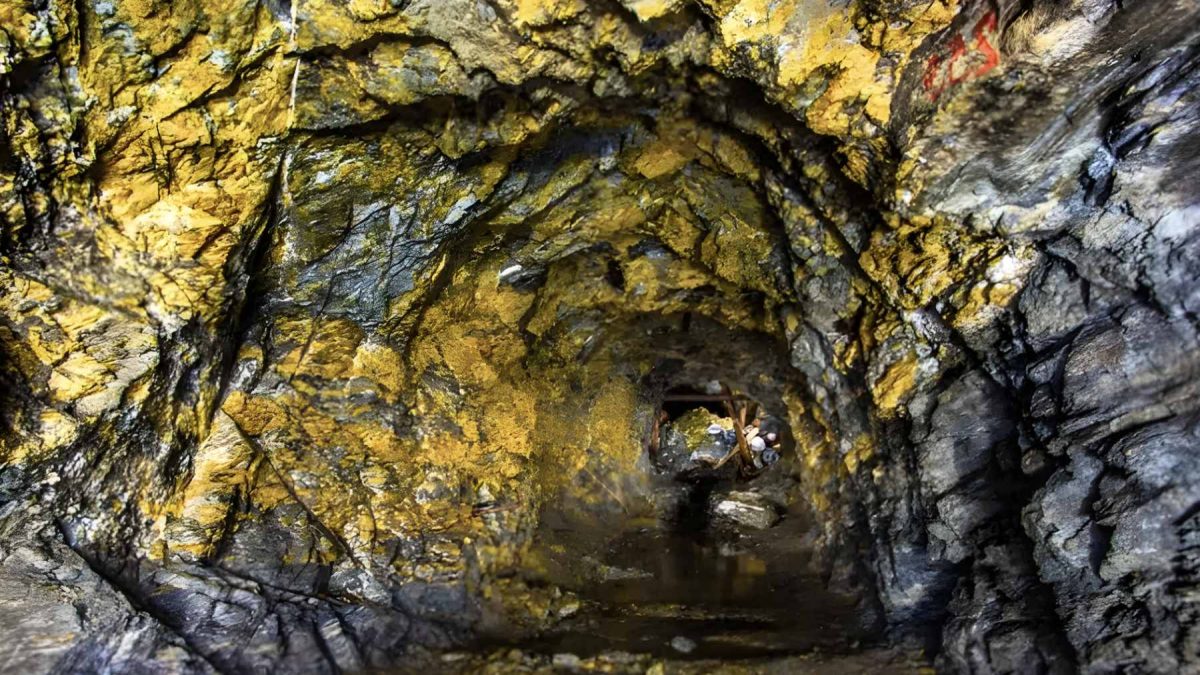
When news of the Hunan discovery surfaced, coverage from outlets including CCN noted that gold prices climbed back above $2,700 per ounce, helped by a mix of the headline finding and already tense geopolitics.
For anyone watching their savings or their jewelry budget, that might sound upside down, but analysts say a deep deposit like Wangu could take many years to reach full production, so its calming effect on prices will likely arrive slowly if at all.
How big is Wangu in the global gold picture?
For context, South Africa’s South Deep mine has long been cited as the largest single gold reserve, with roughly 900 to about 1,025 tons of gold still in the ground depending on the estimate.
If Wangu’s upper projections around 1,100 tons are confirmed, it would edge past South Deep and rival China’s own supergiant Jiaodong deposits for the top spot.
Even so, this trove is only a slice of the global picture.
Data from the World Gold Council suggest that humanity has mined about 216,000 metric tons of gold in total, enough to fill a cube about 22 meters wide, so a thousand-ton boost is noticeable but not a flood for all the wedding rings, electronics, and central bank vaults that compete for the metal.
What comes next for the Wangu gold field
Turning numbers on a geological model into real bullion requires huge amounts of engineering and cash. Because much of the richest ore sits up to 3,000 meters down, companies will have to decide whether they can safely sink shafts, manage heat and rock pressure, and protect local water supplies while still making a profit.
Hunan Gold, which already operates in the area, has told investors that the commercial value remains uncertain at such depths even if the geology looks exceptional, and feasibility studies are still under way.
For now, the Wangu discovery is a reminder that Earth can still hide giant surprises beneath ordinary countryside, and that future bracelets, smartphone chips, or central bank bars may someday trace their origin back to this patch of Hunan if the project moves ahead.
The official statement was published on Xinhua.