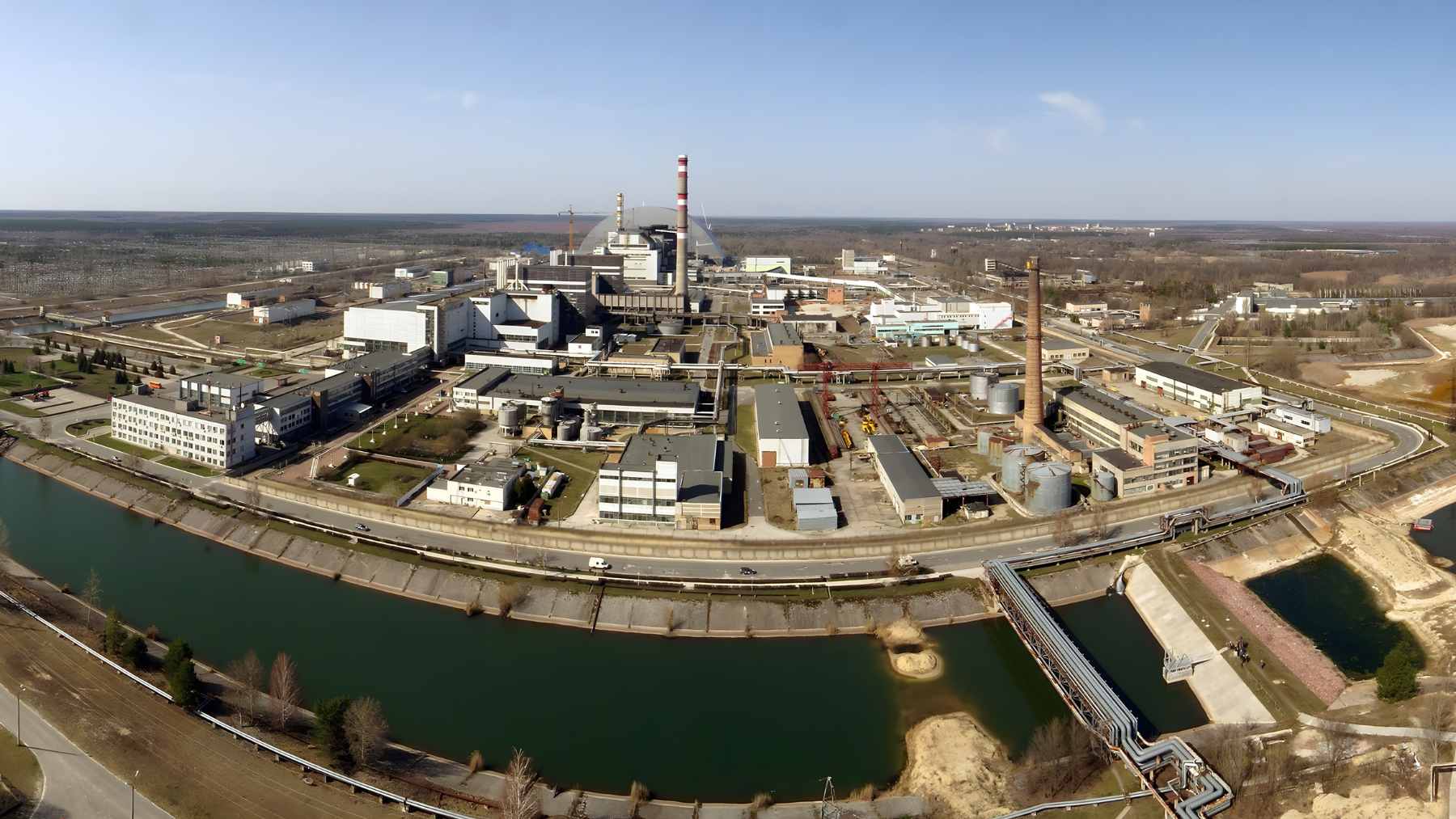
When you hear that Chernobyl has lost power again, it is hard not to picture disaster movies in your head. A recent electrical outage at the site’s cooling systems has revived global anxiety about nuclear safety, even though specialists say the risk of a new meltdown is extremely small.
According to the International Atomic Energy Agency, Russian missile and drone strikes on Ukraine’s power grid cut electricity to several key substations, leaving the Chernobyl nuclear power plant without off-site power for a period in January.
That interruption temporarily took the spent fuel cooling systems offline, prompting worries that water in the storage pools could slowly heat and evaporate.
The outage did not last long. In a follow up message, the agency said off-site power to the massive New Safe Confinement structure was restored roughly sixteen hours after it went down.
For people living anywhere near the old exclusion zone, though, even a short nuclear-related blackout is a chilling phrase to read in the news. Most of us treat a power cut as a ruined dinner or a cold apartment. At a nuclear site, it is different.
Why the spent fuel still needs cooling
Chernobyl’s reactors stopped generating electricity between 1991 and 2000, so what remains on site is spent nuclear fuel stored in large water-filled pools. That water cools the fuel and also acts as a shield against residual radiation.
Freshly removed fuel is intensely “hot” in a thermal sense. In a typical reactor, decay heat falls from several percent of full power right after shutdown to well under one percent within a week, then keeps dropping over the following years.
After about a decade, each tonne of spent fuel may produce only around one kilowatt of heat. That is still enough that water circulation helps, but it is nowhere near the heat output of an operating core.
At Chernobyl most of the fuel has been sitting in storage for more than twenty years. Nuclear materials expert Paul Cosgrove at the University of Cambridge told New Scientist that “this fuel has been sat in there for 20 years, so it will have decayed.”
In practical terms, that means the fuel is now much harder to overheat, even if pumps stop for a while.
Meltdown fears and what experts actually expect
The nightmare scenario people imagine is the water boiling away, the fuel becoming exposed, and a renewed release of radiation. For an operating plant that has just shut down, that kind of sequence can unfold over hours or days if cooling is completely lost.
At Chernobyl the situation is very different. Cosgrove and fellow Cambridge professor Ian Farnan emphasize that the fuel’s age and earlier safety assessments make a true meltdown “extremely unlikely” during a temporary outage.
Previous inspections in 2022 already concluded that the spent fuel pools would remain within safe temperature limits if power was interrupted, and nothing about the fuel has become more dangerous since then. If anything, it has cooled further. So why are watchdogs still so concerned?
The real warning sign grid fragility in a war zone
For the Ukraine, the deeper problem is that its battered power system is increasingly fragile. IAEA Director General Rafael Grossi has warned that recent incidents at Chernobyl highlight “decreasing grid stability” as Russian attacks hit substations that nuclear facilities rely on.
Those attacks have not only affected Chernobyl. Lines supplying other plants, including the Zaporizhzhia nuclear power plant, have also been damaged, forcing operators to lean on diesel generators to keep cooling systems and safety equipment running.
Each time the external grid fails, there is a small but real chance that backup systems could also falter.
For people watching from afar, that is the key takeaway. The current Chernobyl outage is, to a large extent, a story of robust margins around very old fuel, not an imminent repeat of 1986.
At the same time, it is another reminder that nuclear safety does not stop at the plant gate. It depends on the wider power network, the diesel in storage tanks, and, in this case, a war that keeps shaking both.
The official statement was published on IAEA.