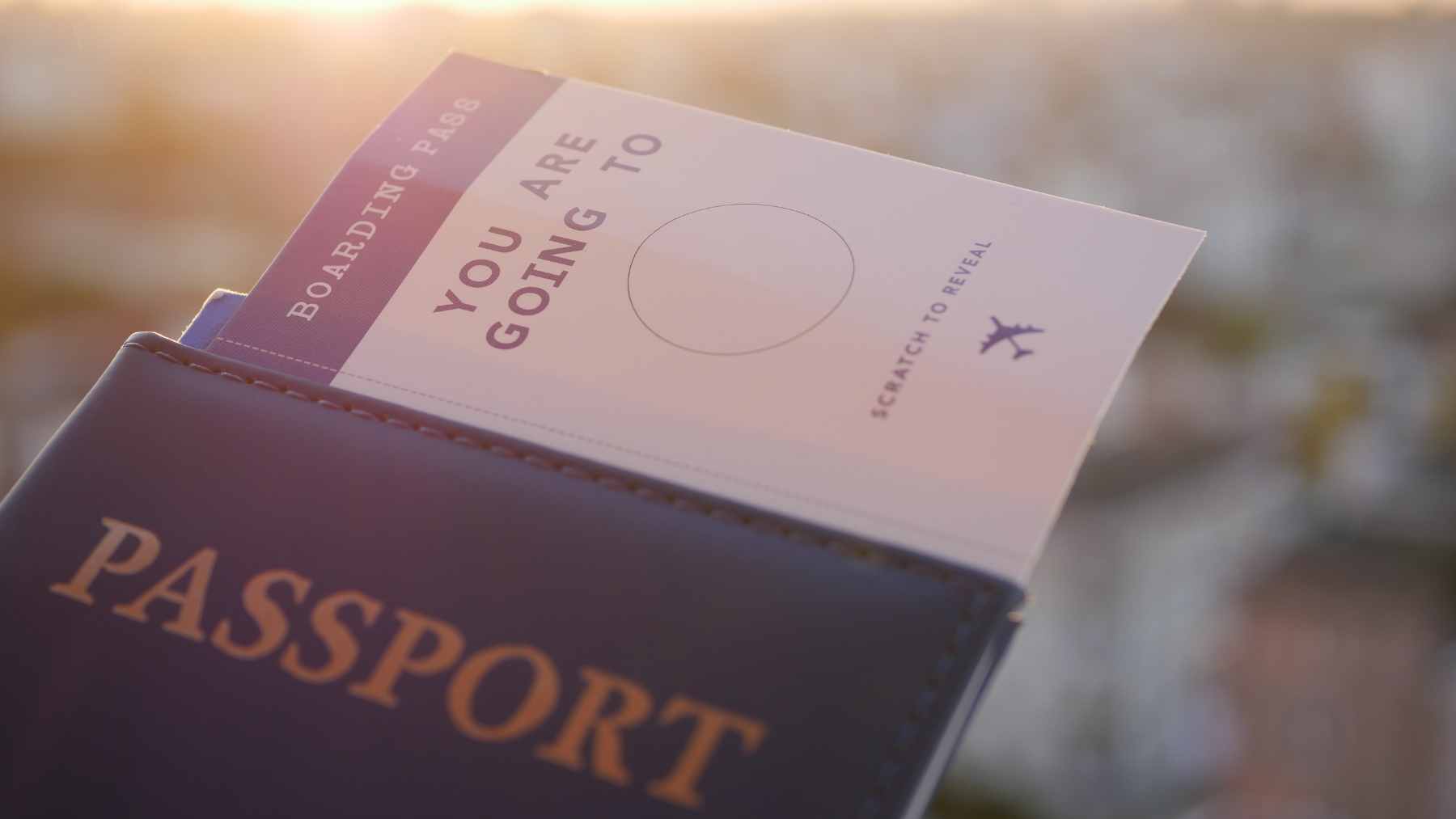
Ever reached into your bag at the airport and realized your passport expired last spring? For domestic flights inside the United States, that slip up does not automatically cancel your trip anymore.
Current rules from the Transportation Security Administration say that many accepted IDs, including a U.S. passport, can still be used at security checkpoints for up to two years after they expire when you fly within the country.
TSA explains on its identification guidance page that it “currently accepts expired ID up to two years after expiration” for documents on its approved list. That list covers Real ID compliant driver licenses, U.S. passport books and cards, trusted traveler cards from the Department of Homeland Security, permanent resident cards, certain foreign passports and several other federal credentials.
In practice, that means someone whose passport expired in mid-2025 could still use it for a 2026 flight from Atlanta to Seattle, as long as the document is intact and the name matches the ticket.
TSA rules for expired passports on domestic flights
The grace period has a hard limit. It only applies to TSA security checks on domestic routes and does not change passport rules for crossing borders.
The US Department of State warns that many countries will not admit visitors if their passport is close to expiring, and some insist on three to six months of remaining validity, so an expired document that works for a flight to Denver will not get you onto a plane to Europe.
Real ID enforcement at US airport checkpoints
All of this is unfolding as Real ID finally arrives at U.S. checkpoints after years of delays. Card-based enforcement began in May 2025, which means adults who fly now need a Real ID compliant license or another accepted document such as a passport in order to clear security.
The law grew out of post 9/11 security recommendations and requires states to build in anti-counterfeiting features, stronger document checks and shared databases when they issue driver licenses and ID cards.
Digital IDs, compliance rates, and what travelers need to know
By federal estimates more than four out of five travelers already show up with a compliant license or other acceptable ID, which helps keep lines moving on busy holiday weekends.
Those documents can now be physical or digital in some cases, since TSA lets passengers from participating states present mobile driver licenses or state IDs stored in Apple Wallet, Google Wallet or similar apps at a growing number of airports.
Children under 18 still do not need their own ID for domestic trips if they fly with an adult, although airlines may set extra rules for kids traveling alone.
TSA ConfirmID and the $45 identity verification option
But what if you show up with no ID at all after leaving your wallet on the kitchen counter? Since early 2026, TSA has offered a backup process called ConfirmID that lets travelers attempt to verify their identity for a $45 nonrefundable fee that covers a ten day window of trips.
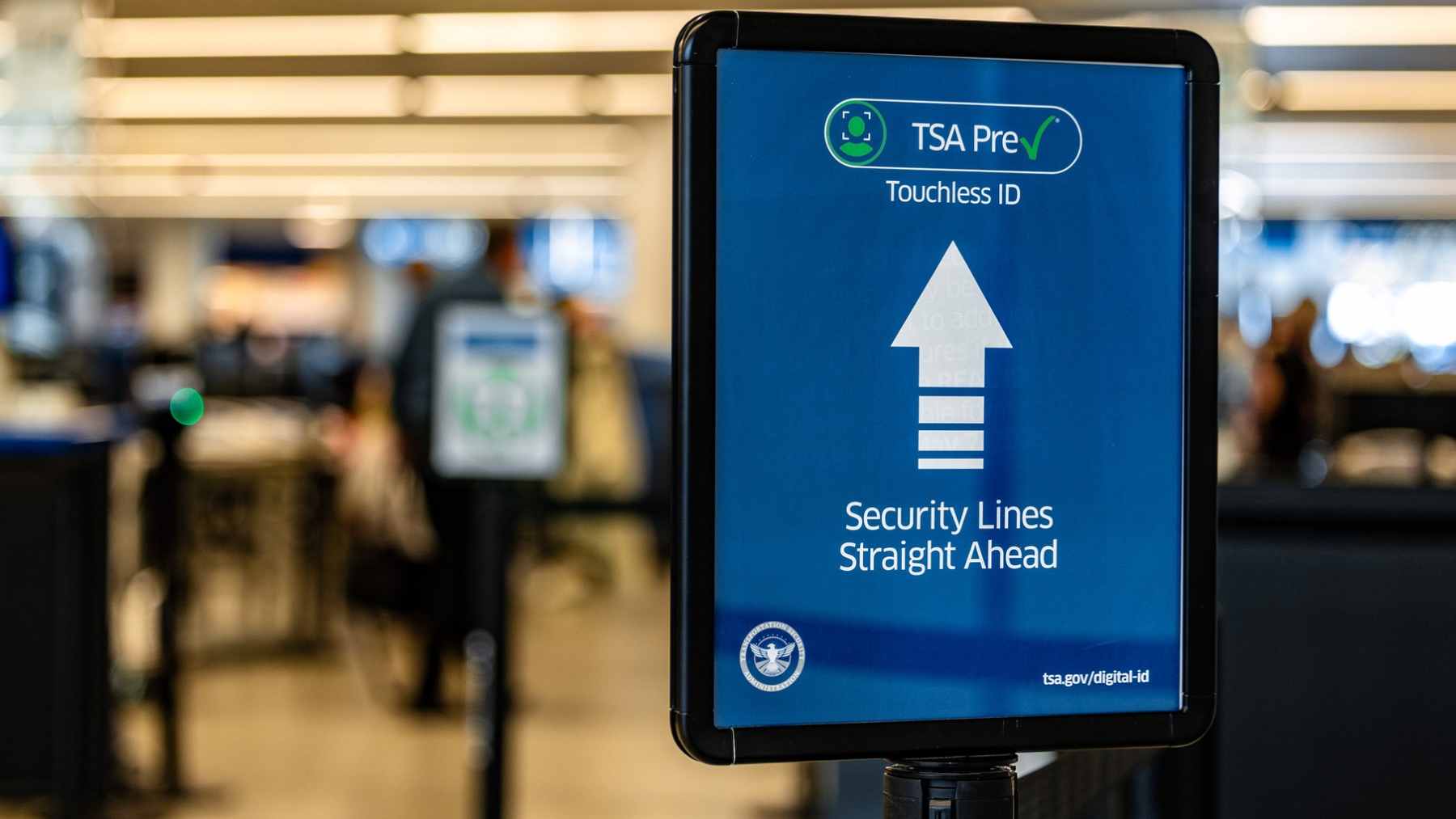
The agency notes that successful verification is not guaranteed and that using ConfirmID can add extra time and stress before you even join the regular screening line.
For everyday travelers, the two year rule is best treated as a safety net, not a strategy. It can rescue a last-minute family visit or work trip when renewal backlogs or simple forgetfulness get in the way, but it also leaves you more exposed to policy shifts or tougher questioning at the checkpoint.
The safest move is still to renew passports early, swap an old license for a Real ID compliant one and, where available, add a mobile ID to your phone so that an expired document is a backup rather than your only plan.
The official press release was published by the Transportation Security Administration.